Why Are My Gums Swollen? Common Causes, Relief, and Prevention
For a closer look, see our guide to Left-Sided Jaw Pain: Common Causes, Red Flags, and Relief guide.
You may also find our walkthrough on key steps for What Causes Red Eyes? Common Triggers, Risks, and Eye Safety helpful.
For a closer look, see our guide to Why Do My Eyes Sting When I Cry? Tear Composition and Dry Eye Causes overview.
You may also find our walkthrough on guide to Swollen Gum Behind Your Back Tooth helpful.
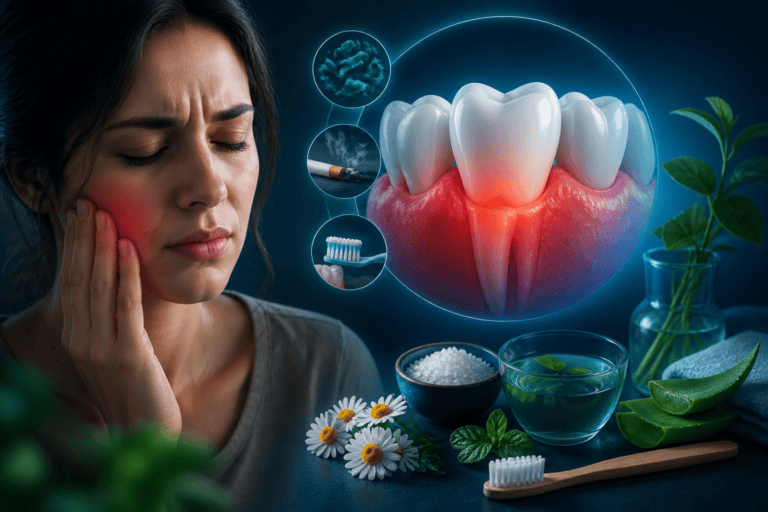
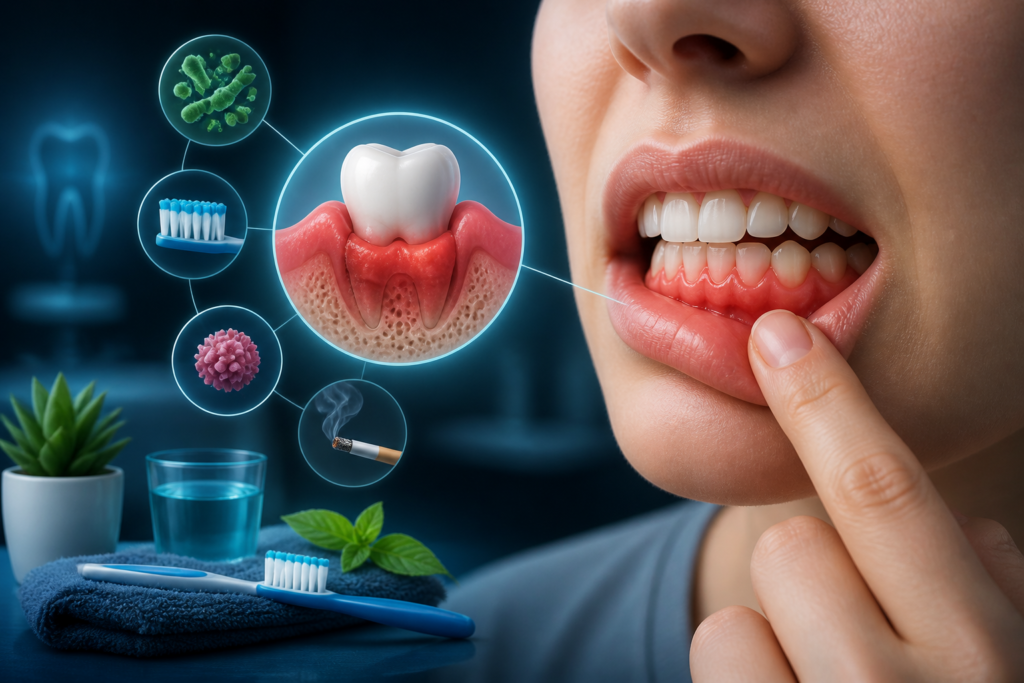
Swollen gums can be uncomfortable and might mean something’s up with your health. Understanding why gums get swollen and how to handle and avoid it is important for everyone. Let’s go through what causes gum swelling, how to find relief, and ways to prevent it.
Understanding the Common Causes of Swollen Gums
There are many reasons your gums might swell. It could be as simple as not brushing well or more complex like a health issue. Figuring out the cause helps you manage and prevent swollen gums.
If you're experiencing oral discomfort, you might also want to check out our Why Is There a Bump on My Tongue? Common Causes and When to Worry guide.
Poor Oral Hygiene
If you don’t brush and floss enough, plaque can build up and inflame your gums. Good oral habits are key to keeping gums healthy.
Gingivitis
Gingivitis is a mild gum disease with redness, swelling, and bleeding. It can be turned around with good dental care and check-ups.
You may also find our guide to Is Gingivitis Contagious? How Gum Disease Bacteria Spread guide helpful.
Hormonal Changes
Things like pregnancy, menstruation, and menopause can change your hormones and make gums more sensitive and swollen. Women should pay extra attention to their oral health during these times.
Infection
Infections from bacteria, viruses, or fungi can cause swollen gums. Herpes simplex and thrush are common examples. Getting a quick diagnosis and treatment is crucial.
Nutritional Deficiencies
Not getting enough vitamins, especially vitamin C, can lead to issues like scurvy, which causes gum swelling. Eating a balanced diet with vital nutrients is crucial for healthy gums.
Ill-Fitting Dental Appliances
If braces, dentures, or retainers don’t fit right, they can irritate your gums. Regular dental appointments ensure your appliances fit well and don’t cause swelling.
Providing Relief for Swollen Gums
Once you know what’s causing your gum swelling, there are helpful ways to ease the discomfort. Here’s what you can do:
- Rinse with warm saltwater
- Use a cold compress on the swollen area
- Take over-the-counter anti-inflammatory medication
- Keep up with good oral hygiene
- Drink plenty of water
- Stay away from tobacco and alcohol
- Eat foods high in vitamins
Preventing Swollen Gums
Preventing swollen gums is all about taking care of your mouth and catching potential problems early.
Regular Dental Check-Ups
Seeing your dentist regularly helps catch and prevent gum problems before they get worse. Dentists can spot issues you might not notice.
Proper Oral Hygiene
Brush your teeth twice a day and floss once daily. Using fluoride toothpaste and antiseptic mouthwash also helps keep your mouth healthy.
Healthy Lifestyle Choices
Living healthily—balanced meals, regular exercise, managing stress—benefits your oral health too.
Monitoring Systemic Health
Conditions like diabetes can affect your gums. Regular medical check-ups and managing any ongoing health issues support good oral health.
Comparative Analysis of Gum Swelling Causes and Management
To get a clearer picture of how to deal with swollen gums, here’s a table comparing causes, symptoms, and management strategies:
| Cause | Symptoms | Management |
|---|---|---|
| Gingivitis | Red, swollen, bleeding gums | Improved oral hygiene, professional cleaning |
| Hormonal Changes | Sensitive, swollen gums | Regular dental visits, oral care |
| Infection | Pain, swelling, possible pus | Antibiotics, antiviral, or antifungal treatment |
| Nutritional Deficiencies | Swollen, bleeding gums | Diet rich in vitamins, supplements |
| Ill-Fitting Appliances | Irritation, swelling around gums | Adjustment or replacement of appliances |
Addressing Common Denial Traps in Billing
Healthcare providers need to understand billing codes to avoid common mistakes and operate smoothly. Here’s what to keep in mind:
- Document all procedures properly
- Use the correct CPT codes for dental treatments
- Verify patient insurance coverage
- Submit claims on time to prevent delays
- Regularly audit and review billing processes
Staying compliant with billing rules and using accurate codes helps reduce claim denials and boosts revenue.
If you're dealing with swollen gums, you might also want to explore our What Is a Dental Bridge? Types, Procedure, Cost, and Lifespan overview for further dental insights.
Expert Insights on Gum Health
“Consistent oral hygiene and regular dental consultations are vital for preventing gum diseases. Addressing issues early can save patients from more serious complications.” – Dr. Emily White, DDS, American Dental Association [1]
Dr. White highlights the importance of proactive care for long-lasting oral health.
For more tips, check out the Therapy Flux blog. You’ll find lots of advice on keeping your teeth and gums in top shape.
Trending FAQs on Swollen Gums
- Can stress cause swollen gums? Yes, stress can weaken the immune system and make gums more sensitive.
- How long does gum swelling last? With proper care, it typically gets better within a week.
- Is gum swelling a dental emergency? If it comes with pain or bleeding, see a dentist right away.
- Can allergies cause swollen gums? Yes, sometimes allergies can lead to gum inflammation.
- What foods help reduce gum swelling? Foods rich in vitamin C and antioxidants can help.
Disclaimer: This content is published strictly for educational and general informational purposes. It does not constitute professional medical, legal, financial, or technical advice. Always consult a certified specialist or licensed professional regarding your specific situation before making decisions.