What Causes Red Eyes? Common Triggers, Risks, and Eye Safety
Red eyes are a frequent issue that can stem from a variety of conditions, ranging from minor irritations to serious medical situations. Knowing the triggers, possible risks, and how to prevent them is hugely important for healthcare professionals, billing teams, and patients alike. So, let’s dive into the key questions surrounding red eyes and their impact on healthcare.
What are the most common causes of red eyes?
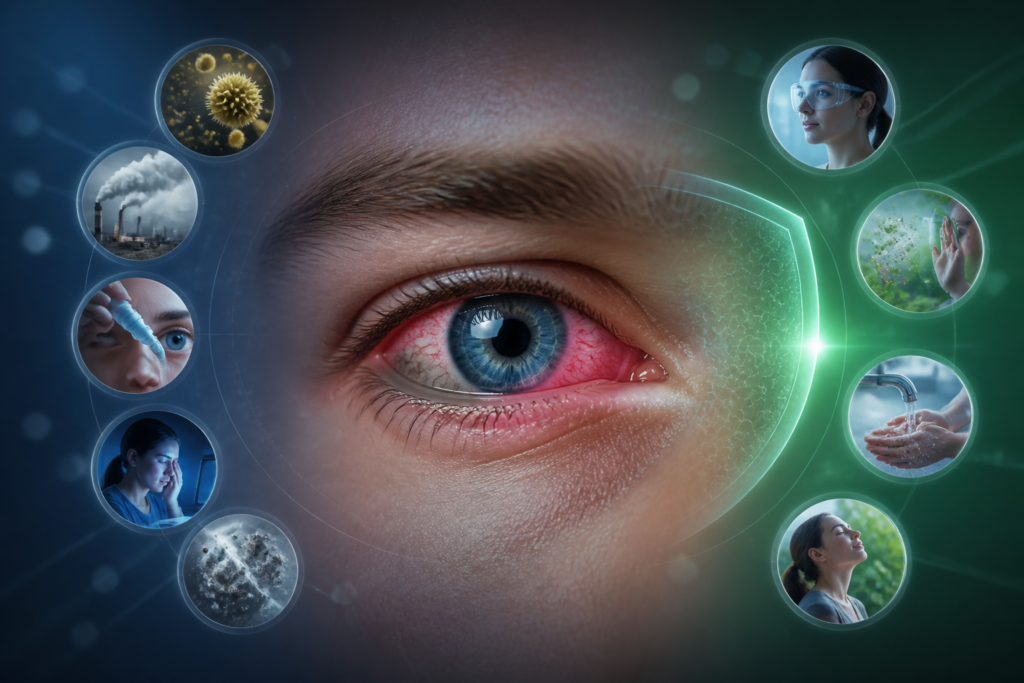
Red eyes usually result from irritation, inflammation, or infection. The usual suspects include conjunctivitis (also known as pink eye), allergies, dry eyes, wearing contact lenses, and foreign particles. Take conjunctivitis, for example, it often comes from viral or bacterial infections, while allergies can trigger a histamine response that causes redness and itching. Dry eyes might result from environmental factors or binging on screen time a little too much.
The tricky part for medical teams is figuring out the exact cause without a detailed patient history and examination. A wrong diagnosis could lead to inappropriate treatment plans, ultimately affecting both patient outcomes and the billing process.
How does conjunctivitis affect coding and billing?
When it comes to conjunctivitis, precise coding is vital to ensure treatment coverage. The ICD-10-CM codes like H10.0 for mucopurulent conjunctivitis or H10.9 for unspecified conjunctivitis must be spot-on. Get it wrong, and you might face claim denials or issues with reimbursement.
In real-world practice, conjunctivitis might not show up alone but with other symptoms, which makes straightforward coding a bit tricky. That’s why coding and billing teams need to work closely with clinicians to document diagnoses accurately and fully.
What risks are associated with contact lens use?
Using contact lenses can lead to red eyes due to hypoxia (basically, when your eyes don’t get enough oxygen), infections, or allergic reactions. Common pitfalls include poor lens hygiene and wearing them for too long. Infections like keratitis can get pretty serious, sometimes requiring immediate medical care.
What often gets missed is the importance of educating patients about proper lens care and usage limits. Every eye care visit should include this to ward off complications and keep patients safe.
How can allergies contribute to red eyes?
Allergies make red eyes happen by releasing histamines that dilate blood vessels and cause irritation. Seasonal allergies are often to blame, but don’t overlook indoor allergens like dust mites and pet dander.
To tackle allergy-induced red eyes, you need to pin down and avoid triggers, and use medications like antihistamines or mast cell stabilizers. Healthcare providers should also consider the patient’s surroundings and suggest any necessary changes.
What are the implications of dry eyes on patient care?
Dry eyes, often caused by environmental factors or too much screen time, result in insufficient tear production or poor tear quality, leading to redness. If left untreated, this can lead to more serious corneal damage.
One common oversight is not giving enough weight to the impact of lifestyle factors on dry eye symptoms. Providers should evaluate things like screen time, exposure to certain environments, and hydration to create an effective management plan.
How should foreign objects in the eye be handled?
Foreign objects like dust or debris can cause immediate redness and irritation. The best approach is careful removal and thorough examination to avoid corneal abrasions or infections.
The challenge often lies in removing objects without the right technique or tools, which can worsen the situation. It’s crucial for healthcare providers to follow precise protocols and refer to specialists when needed.
What preventive measures can help reduce the incidence of red eyes?
Preventive steps include maintaining good hygiene, using protective eyewear, and having regular eye check-ups. For contact lens users, sticking to usage guidelines and consistent cleaning are key. Allergy sufferers should minimize exposure and stick to prescribed medications.
What’s often overlooked is the impact of patient education in prevention. By educating patients on eye health and safe practices, the occurrence of red eyes can be significantly reduced.
How can healthcare providers optimize documentation for red eye cases?
Accurate documentation is key for effective treatment and reimbursement. This means including detailed patient history, specific symptoms, and any triggers you identify. Standardized forms and checklists can really help in capturing all the necessary info.
Incomplete documentation is a common pitfall that can lead to billing discrepancies and impact patient care. Healthcare providers should ensure all interactions and observations are well-documented to avoid these issues.
Decision Table for Managing Red Eyes
| Situation | Recommended Approach | Common Risk | Documentation Needed |
|---|---|---|---|
| Conjunctivitis | Prescribe antibiotics or antivirals, depending on the cause | Misdiagnosis leading to incorrect treatment | Detailed symptom history and examination findings |
| Contact Lens Complications | Advise proper hygiene and usage limits | Infections due to poor hygiene | Lens type, usage habits, and hygiene practices |
| Allergy-Induced Redness | Identify triggers and prescribe antihistamines | Overlooking environmental factors | Allergy history and environmental assessment |
| Dry Eyes | Recommend artificial tears and lifestyle changes | Progression to corneal damage | Lifestyle factors and tear film assessment |
| Foreign Objects | Careful removal and examination for abrasions | Corneal abrasions or infections | Object removal procedure and follow-up plans |
Effectively managing red eyes demands a thorough understanding of the causes and possible complications involved. By adopting detailed patient assessments, ensuring accurate coding, and emphasizing preventive education, healthcare providers can enhance patient outcomes and streamline administrative procedures.
Disclaimer: This content is published strictly for educational and general informational purposes. It does not constitute professional medical, legal, financial, or technical advice. Always consult a certified specialist or licensed professional regarding your specific situation before making decisions.