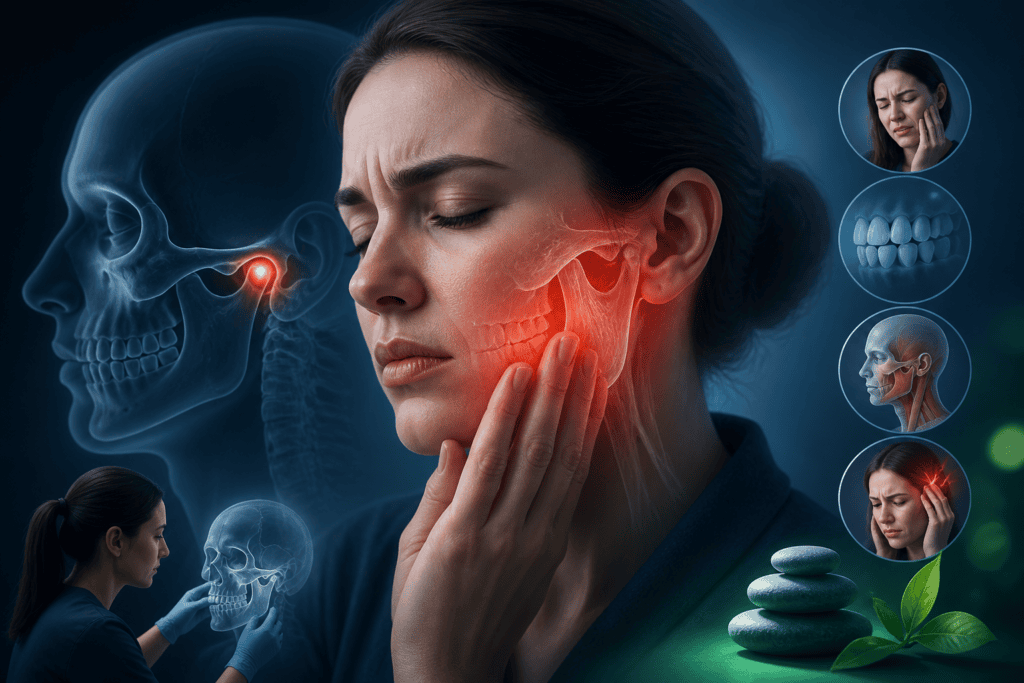
If you’re feeling pain on the left side of your jaw, it can be confusing and worrying. You might wonder what’s causing it, if it’s dangerous, and how to make it stop. While jaw pain often gets blamed on dental issues, it’s not always that simple. This article will help you understand left-sided jaw pain, including the usual causes, warning signs to watch for, and how to get relief. We’ll share information based on research so you can make informed decisions, whether you’re a healthcare provider, a coder, or just getting curious.
Understanding the Real Concern
The main issue with left-sided jaw pain isn’t just the pain; it’s what’s causing it. Jaw pain can come from different places, like dental issues, muscle strain, joint problems, or even heart-related issues. It can feel dull, sharp, on and off, or steady, and knowing those details helps figure out what’s going on.
It’s important to tell apart the harmless causes from the ones that need quick medical help. For example, jaw pain could be from temporomandibular joint disorders (TMJD), which many people have. But it might also mean a heart attack, especially if other symptoms like chest pain or trouble breathing show up.
What Do Studies and Guidelines Say?
A lot of research has been done on the causes of left-sided jaw pain, with input from dental, medical, and emergency medicine experts. The American Dental Association (ADA) and the American College of Cardiology (ACC) offer advice on telling apart dental from more serious health causes.
The ADA points out common dental issues like tooth abscesses, impacted wisdom teeth, and gum disease. Meanwhile, the ACC stresses looking at jaw pain as a possible sign of heart problems, especially in women, who might have unusual heart attack symptoms.
The National Institute of Dental and Craniofacial Research (NIDCR) adds that TMJD is quite common, affecting about 5-12% of people. These disorders usually come from inflammation or damage where the jaw connects to the skull.
| Question | Evidence / Guidance | Practical Meaning | Source |
|---|---|---|---|
| Is jaw pain a common sign of heart problems? | Jaw pain can be a symptom of myocardial infarction, especially with other symptoms. | Healthcare providers should consider heart risks when checking jaw pain. | ACC |
| What are common dental causes of jaw pain? | Tooth abscesses, impacted teeth, and TMJD are usual suspects. | A dental exam is key to finding out what’s causing the pain. | ADA |
| How prevalent is TMJD? | TMJD affects 5-12% of people. | Consider TMJD when evaluating ongoing jaw pain. | NIDCR |
The Complications in Practice
Doctors sometimes find it tricky to assess jaw pain accurately. A team approach, involving dentists, doctors, and sometimes mental health professionals, might be needed. If a person has anxiety, it might make the pain feel worse or seem like something else.
Insurance and billing can be another hurdle. Different treatments have different codes, which affects costs and access to care. For TMJD and heart checks, coding varies, so accurate paperwork matters.
How people describe their symptoms can vary a lot, influenced by personal and cultural backgrounds. This makes a careful, understanding talk with the patient important to fully capture what’s going on.
Putting Knowledge into Action
Doctors should take a step-by-step approach when evaluating left-sided jaw pain. Start with a thorough history and look at the physical signs, focusing on the type of pain, how long it lasts, and any other symptoms.
Imaging like dental X-rays or MRIs can help spot structural issues. Blood tests and ECGs might be done if heart causes are suspected. Treatments should fit the individual, possibly including pain relief, dental work, physical therapy, or heart specialist referrals.
For non-emergencies, simple things like cold packs, over-the-counter meds, and stress reduction can help for now. If the pain continues or worsens, seeing a specialist might be needed.
Important Points to Remember
Left-sided jaw pain can come from lots of causes, from dental to heart issues. Finding out what’s behind it is key to managing it well. Doctors should look at both common and rare causes, using a thorough evaluation that includes medical history, exams, and the right tests.
Knowing the warning signs, like pain spreading to the arm or chest, can help catch serious conditions quickly. Also, understanding billing and insurance can smooth out care for patients.
Disclaimer: This content is published strictly for educational and general informational purposes. It does not constitute professional medical, legal, financial, or technical advice. Always consult a certified specialist or licensed professional regarding your specific situation before making decisions.