Cracking the Tooth Extraction Conundrum
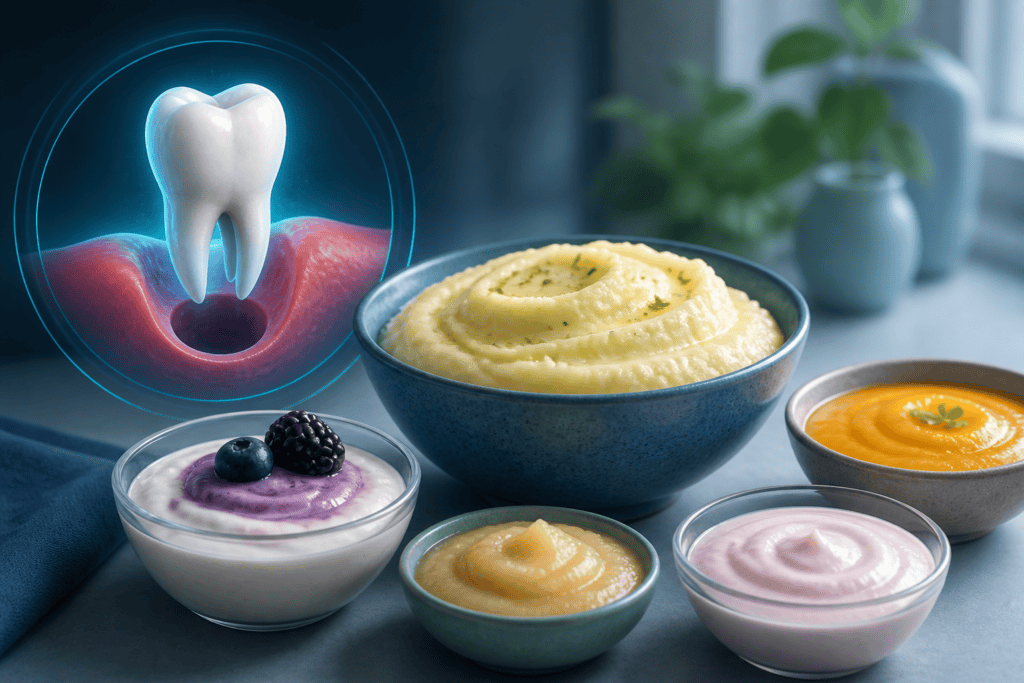
Tooth extraction: the dental equivalent of playing Operation, minus the catchy buzzer. It’s a routine affair, yet it often leaves patients grappling with a medley of discomfort, swelling, and the unwanted gift of a liquid diet. What’s center stage here? Pinpointing the right post-extraction menu. Yes, soft foods lead the charge, meant to massage the gums rather than assault them, facilitating a smooth recovery. But which soft morsels earn the gold star, and what devilish details must we not overlook?
The Gospel According to Research and Regulations
Our spiritual guide, the American Dental Association (ADA), along with a chorus of scholarly articles, sings a familiar tune: avert dry socket and infection post-tooth extraction. Soft foods? They’re your new best friends, as they coddle instead of clobber that precious blood clot—critical for healing. Nutritional needs demand equal billing to fuel tissue mending and keep the energy engines humming.
For a closer look, see our guide to How Long Does Wisdom Tooth Pain guide.
Enter the ADA with its parade of recommendations: nosh on foods that are not just as soft as an angel’s whisper but also nutritionally robust. Think vitamin C, think protein. And for the love of all things dental, sidestep foods that are fiery, acidic, or hot—they’re likely to rile up the extraction site. Carbonated drinks and straws are out too, their meddling ways known to unsettle the blood clot.
When Practice Meets Preposterousness
In the real world, a one-size-fits-all diet is as mythical as a unicorn. Patient situations shape-shift according to medical conditions, personal whims, and the delightful quirks of cultural cuisines. A diabetic patient, for instance, must eye the glycemic index as if it might strike at any moment, while allergy sufferers dodge certain delights. And woe to the provider who neglects to balance these dietary juggling acts with the caloric and nutritional magnum opus required.
Operational challenges arise like clockwork. Patients often harbor whimsies—”All liquids are safe, right?” or “Any mushy thing will do, yes?” Oh, the documentation hurdles when dietary lingo gets lost in translation, leading to compliance kerfuffles and extended recovery sojourns.
Navigating the Practical Labyrinth
Healthcare providers, don your captain hats: the mission is to spell out clear, personalized dietary marching orders post-extraction. Think lists of culinary champions, prep advice, timelines for stepping back into the arena of chewable fare. Be ready to preach, too—explain how straying from these commandments risks inciting oral bedlam.
Roll call for suggested soft foods:
- Mashed potatoes
- Yogurt
- Applesauce
- Scrambled eggs
- Broth-based soups
- Oatmeal
Regular check-ins with patients are advisable—stethoscopes out, ears to the ground, adjusting dietary sails as needed to navigate comfort and healing progress.
For a smoother recovery, consider the recommendations in the How to Speed Up Wisdom Teeth Recovery: Evidence-Based Healing Tips guide.
Walking Away with Wisdom
Toothspeak for the road: the top-notch soft foods for post-extraction are those that pamper the extraction site while doling out ample nutrition. Tailor your advice to fit the unique tapestry of each patient. Patient education on the pitfalls of noncompliance is paramount, as is ongoing support—it can truly swing the pendulum toward a successful recovery.
As you focus on recovery with soft foods, don't forget the key steps for Can You Drive After a Root Canal? Anesthesia and Sedation Guidelines to ensure a smooth transition back to normal activities.
| Question | Evidence / Guidance | Practical Meaning | Source |
|---|---|---|---|
| Why are soft foods recommended post-extraction? | To minimize irritation and prevent dislodging the clot. | Soft foods aid in healing and reduce complications. | American Dental Association (ADA) |
| What nutrients are important for healing? | Vitamin C and protein support tissue repair. | Include foods like yogurt and eggs for recovery. | Peer-reviewed studies |
| What foods should be avoided? | Avoid spicy, acidic, and hot foods. | These can irritate the extraction site. | ADA guidelines |
Disclaimer: This content is published strictly for educational and general informational purposes. It does not constitute professional medical, legal, financial, or technical advice. Always consult a certified specialist or licensed professional regarding your specific situation before making decisions.