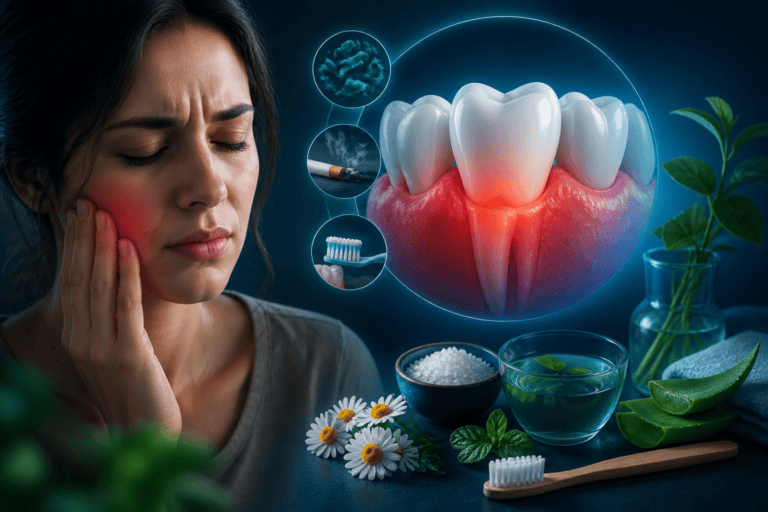
Ah, wisdom teeth extraction. So routine, yet somehow so eternally irritating. The cheerful promise of a “common dental procedure” but the reality of a recovery period that can feel like an eternity of discomfort. Patients, desperate for relief, and the weary healthcare providers, eager to find that magic bullet for speeding up healing, face this not-so-ancient scourge all too often. While each case unfolds uniquely, there are tried-and-true strategies grounded in evidence that can smooth the bumpy recovery road. Let’s dive in, shall we?
The Core Quandary
The mission is simple: cut down the misery and the downtime post-wisdom tooth extraction. Easier said than done, of course. It’s not merely about yanking those third molars but about how your body’s healing post-op. Age, general health, and how religiously one attends to post-op care all weigh heavily on the scale. The million-dollar question for both the patient and the provider: How can we hasten recovery without triggering mayhem?
Research and Regulations: The Reality Check
Ah, research. Forever our guide. It’s clear on a few recovery accelerators: the damage inflicted during surgery (the less, the better), how well patients follow through on aftercare instructions, and avoiding post-op gremlins like infections. The American Dental Association (ADA) maintains that precise surgical technique paired with diligent postoperative care is the name of the game. Meanwhile, our friends at the CDC remind us that infection control and pain management are not mere suggestions but cornerstones of recovery protocols.
Several strategies to turn the healing dial to the right:
- Cold Therapy: Ice packs, our frigid friends, can mitigate swelling and numb pain in the pivotal first 48 hours.
- Medication Management: Prescribed painkillers and anti-inflammatories? Yes, they’re your allies against the formidable pain and swelling.
- Oral Hygiene: Swish gently with saline or ADA-approved mouth rinses. Keep those germs at bay.
- Dietary Adjustments: Think soft. Soft foods, plenty of hydration—they’re your recovery fuel.
When Practice Turns Tricky
Of course, life is never as simple as a bullet-point list. Patient tendency to, shall we say, freelance with post-op instructions is notorious. Younger folks often rebound faster courtesy of their youthful vigor, while the mature set might find their healing clocks a bit sluggish, hampered by underlying conditions. Then there are complications—like dry socket or infections—that can throw the proverbial wrench into the machinery.
Providers, it’s your time to shine. Tailor your care to each patient. Those with diabetes? They’ll need extra infection control vigilance. And don’t forget, cultural perceptions about pain and medication can steer a patient’s recovery trajectory.
Practical Playbook
So, what’s a healthcare provider to do? Custom-fit those recovery plans, of course. Consider these steps:
- Preoperative Counseling: Set the stage for recovery. Timeframes and tailored advice to manage expectations.
- Postoperative Follow-up: Keep tabs on healing with scheduled check-ins to nip any issues in the bud.
- Patient Education: Drill home the importance of sticking to the script with meds and care instructions. Use digital aids or the humble pamphlet.
- Holistic Approaches: Relaxation and stress management—think of them as the unsung heroes of healing.
For extra resources, the savvy provider knows to turn to Therapy Flux for educational materials and support tools.
Key Takeaways
Want to hustle that wisdom teeth recovery along? Blend evidence-based practices with a personal touch. Key points to ponder:
- Recovery timelines? As varied as your patients. Health and compliance are your predictors.
- Pain and infection management? Non-negotiable.
- Care plans? Customize them like a bespoke suit to fit each unique patient profile.
In the end, healing isn’t a solo act. It’s a duet between patient and provider, dancing to the tune of evidence-based practices and personalized care.
| Question | Evidence / Guidance | Practical Meaning | Source |
|---|---|---|---|
| How effective is cold therapy? | Cold therapy reduces swelling and pain. | Apply ice packs in the first 48 hours post-surgery. | ADA Guidelines |
| What role do medications play? | Analgesics and anti-inflammatories are crucial. | Ensure proper medication adherence. | CDC Recommendations |
| How important is oral hygiene? | Prevents infection and promotes healing. | Encourage gentle rinsing and care. | Peer-reviewed literature |
Frequently Asked Questions
- Can I speed up recovery with supplements? They’re tempting, aren’t they? But evidence is sparse. Check with your healthcare provider before stocking up.
- Is it normal to have swelling after a week? Slight swelling can linger—par for the course. But if it looks like a balloon animal audition, see your dentist.
- When can I resume normal activities? Most will tiptoe back into light activity within days. The heavy lifting? Wait for the all-clear from your healthcare guru.
- What foods are best post-surgery? Think comfort food—yogurt, applesauce, mashed potatoes. Save the crunchy stuff for later.
- How do I prevent dry socket? Step away from the smokes and straws. And be gentle with that oral hygiene.
Disclaimer: This content is published strictly for educational and general informational purposes. It does not constitute professional medical, legal, financial, or technical advice. Always consult a certified specialist or licensed professional regarding your specific situation before making decisions.