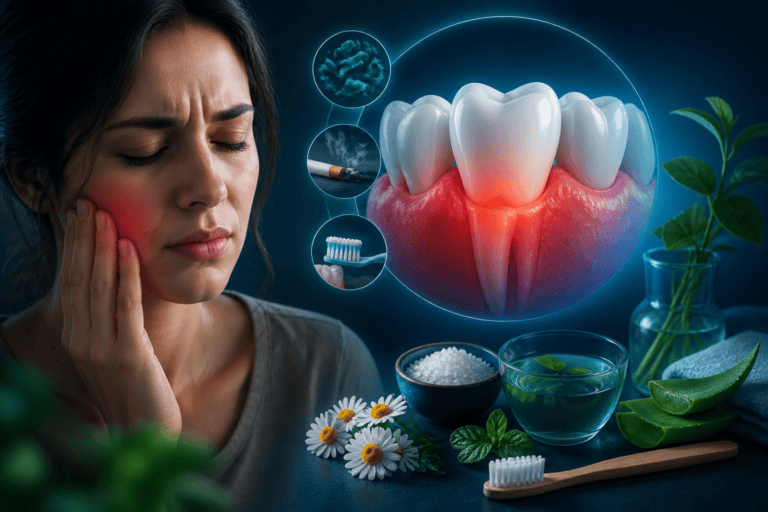
If you’re dealing with gum recession, gingival graft surgery—yep, that’s just a fancy way of saying gum graft surgery—can be a real lifesaver. When gums recede, it’s more than just a cosmetic issue; it can get downright uncomfortable with increased sensitivity and might even lead to periodontal disease. Not a fun ride! Let’s dive into what this whole gum grafting thing is about, shall we? We’ll cover the types of grafts, what to expect during recovery, and what kind of results you might see. Buckle up for a comprehensive look from both the clinical side and the patient’s perspective.
If you want more detail, read our article on Hole in the Gum: Causes, Infection Signs, and Dental Treatment Options overview.
Related reading: Common Periodontal Procedures: Scaling, Flap Surgery, overview.
You may also find our walkthrough on complete What Is Spirometry? Procedure, Normal Values, guide helpful.
Getting to Know Gingival Graft Surgery
So, what exactly is gingival graft surgery about? Basically, it’s a procedure to rebuild your gum line and protect those poor exposed tooth roots. The American Academy of Periodontology tells us that many adults face gum recession, and when it gets bad, surgery is often the go-to recommendation. Not only does it boost oral health, but it also gives your gums an aesthetic boost. Win-win!
If you want more detail, read our article on How Long Does It Take for Oral Sutures to Dissolve After Surgery? overview.
Types of Gingival Grafts: What’s on the Menu?
There are three main types of gingival grafts, each good for different scenarios. Knowing about them helps health practitioners choose the best fit for their patients.
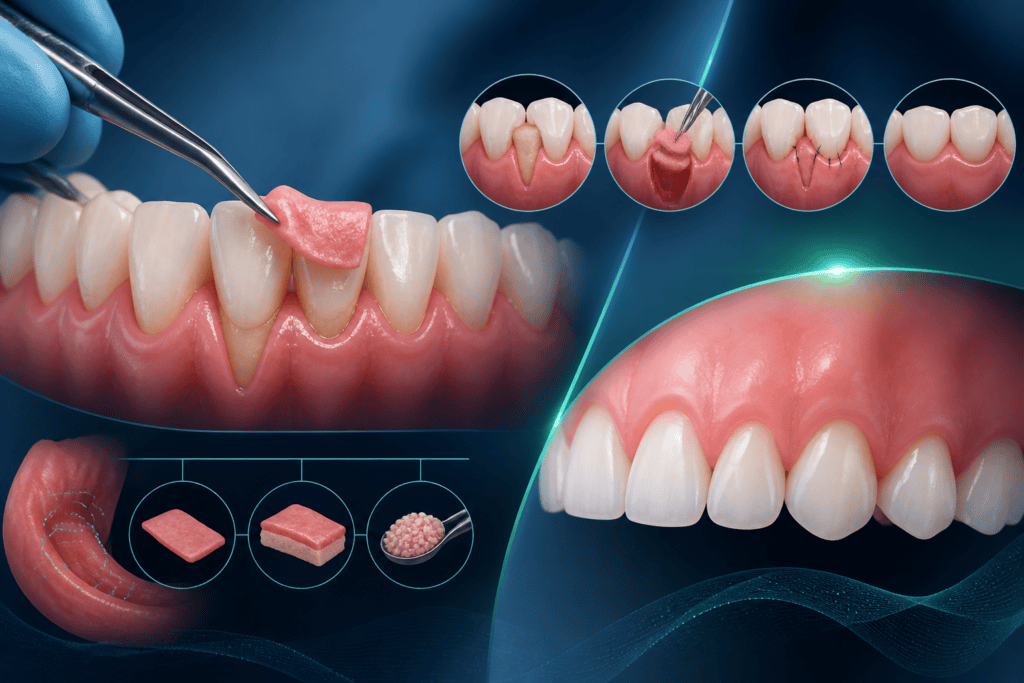
- Connective Tissue Graft: The most popular kid on the block. It involves snagging some tissue from beneath a flap in the roof of your mouth, which is then stitched onto the gum area around the exposed roots.
- Free Gingival Graft: Kind of a sibling to the connective tissue graft but takes tissue straight from the palate without any flappy business. Ideal for folks with thin gums needing a bit of reinforcement.
- Pedicle Graft: A bit of a rarity and involves moving tissue from a nearby gum area to cover the exposed root. There’s a catch—it depends on having enough gum tissue close to the site.
The Lowdown on Recovery and Patient Care
Recovery time from gingival graft surgery can vary quite a bit, thanks to the type of graft and a patient’s overall health. Typically, the first phase of healing runs about two weeks. During this period, it’s crucial to follow your periodontist’s instructions to a T for the best outcome.
Post-Surgical Care: The Do’s and Don’ts
- Skip brushing or flossing the graft site until your dentist gives the green light.
- Rinse with prescribed antimicrobial mouthwash to keep infections at bay.
- Stick to a soft diet—think mashed potatoes and applesauce—to avoid hurting the graft site.
- Hands off those cigarettes! Smoking hampers healing and risks graft failure.
You might feel a bit of discomfort or notice some swelling, but those can be tamed with over-the-counter painkillers. Don’t skip those follow-up visits; they keep tabs on healing and tweak care tips as needed.
What to Expect: Results and Long-Term Perks
The main mission of gingival graft surgery? Say goodbye to exposed roots, bring down sensitivity, and halt further gum retreat. A successful graft can also spruce up your smile and fend off root caries and gum disease by making it easier to maintain oral hygiene.
Research in the Journal of Periodontology highlights that gingival grafts boast high success rates, with most folks seeing marked improvements in their gum’s health and robustness. In the long run, you can look forward to better oral care, less sensitivity, and a more polished grin.
Healthcare Providers: Key Things to Keep in Mind
For those on the healthcare side of things, knowing the ins and outs of gingival graft surgery is golden for patient guidance and surgical planning. Providers need to weigh up the level of recession, the availability of tissue, and patient health factors before settling on the graft type.
Insights into Coding and Billing
In the realm of coding and billing, accuracy is king for ensuring reimbursement and keeping things compliant. The American Dental Association lays out specific codes for each type of gingival graft—D4270 for pedicle grafts and D4273 for connective tissue grafts. Nailing the documentation and coding can dodge billing blunders and make insurance claims a breeze.
Comparing the Types of Gingival Grafts
| Graft Type | Source of Tissue | Ideal Candidates | Recovery Notes |
|---|---|---|---|
| Connective Tissue Graft | Palatal Subepithelial Tissue | General Recession Cases | Two-week recovery with moderate discomfort |
| Free Gingival Graft | Palatal Surface | Thin Gum Biotypes | Longer initial soreness, careful monitoring required |
| Pedicle Graft | Adjacent Gum Tissue | Localized Recession | Quicker recovery, dependent on adjacent tissue health |
Wrapping It Up
In the battle against gum recession, gingival graft surgery stands out as an essential strategy, offering both practical and visual benefits. For those in the healthcare field, grasping the types, recovery steps, and billing protocols is the ticket to successful operations and happy patients. Just like any surgery, the magic of ongoing patient education and meticulous post-op care makes all the difference in the world.
FAQs
- What are the risks linked with gingival graft surgery? For the most part, it’s safe, though there are some risks like graft failure, bleeding, or infection. A chat with your periodontist can help keep these at bay.
- How long until the gums are fully healed after surgery? Healing can stretch from several weeks to a few months, depending on the graft type and how the patient’s body responds.
- Is there a way to prevent gum recession? Practicing good oral hygiene, regular dental visits, and steering clear of smoking can help ward off gum recession.
- Does insurance cover gingival graft surgery? Coverage varies by provider and policy, so it’s smart to double-check with your insurance regarding specific coverage details for periodontal procedures.
Disclaimer: This content is published strictly for educational and general informational purposes. It does not constitute professional medical, legal, financial, or technical advice. Always consult a certified specialist or licensed professional regarding your specific situation before making decisions.