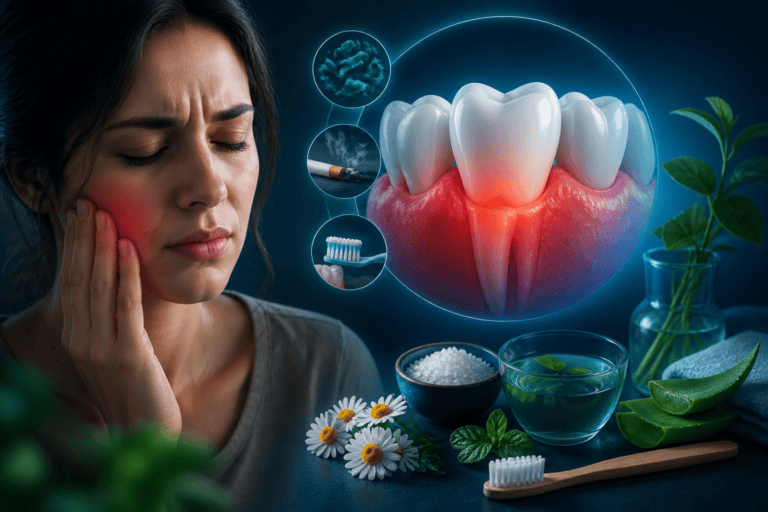
Hey there, coffee in hand? Let’s dive into periodontal disease for a bit. You know, it’s a sneaky, serious infection that can mess up our gum and teeth health if we turn a blind eye. The cavalry’s here with treatments like scaling, flap surgery, and tissue grafts—those trusty go-to procedures we dental pros lean on to tackle this condition. Understanding these is crucial for us as healthcare providers, coding and billing wizards, and even patients who want to take charge of their oral health.
If you want more detail, review our article on key steps for How Long Does It Take for Oral Sutures to Dissolve After Surgery?.
The Core Issue
Here’s the thing: periodontal disease is primarily sparked by bacteria causing gum inflammation, and if we don’t intervene, it can lead to tooth loss. The real puzzle isn’t just the disease itself but figuring out the right treatment path that matches the disease’s severity, the patient’s overall health, and their preferences. Let’s unpack scaling, flap surgery, and tissue grafts, and see how these play out in the real world.
What Research and Regulations Actually Say
Scaling, flap surgery, and tissue grafts? They’re well-documented. The American Dental Association (ADA) and the American Academy of Periodontology (AAP) have spilled a lot of ink on them.
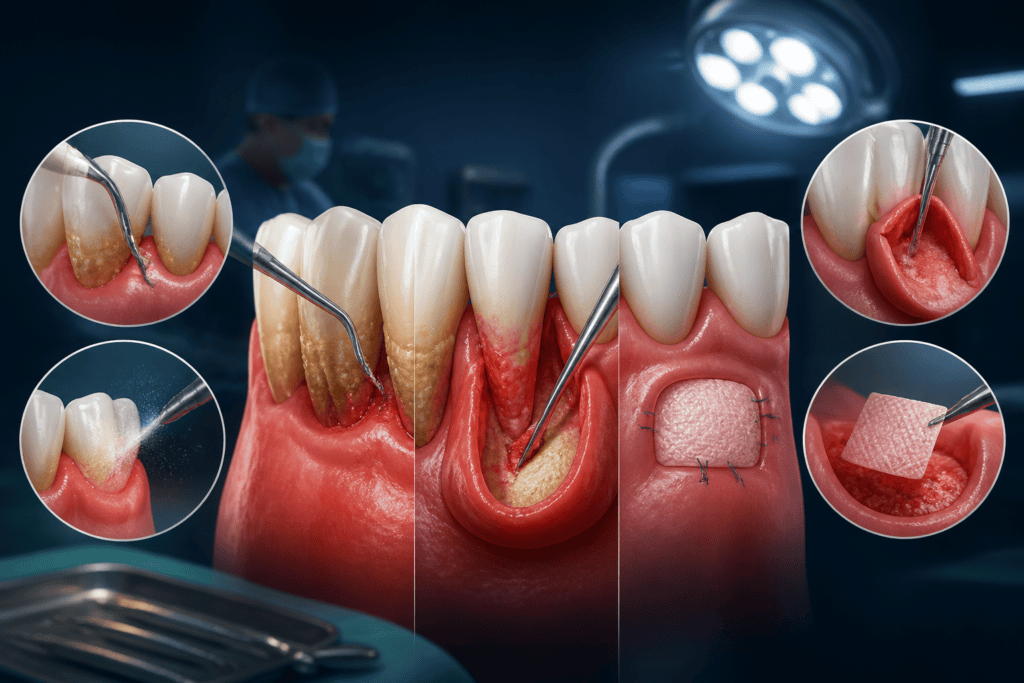
Scaling and Root Planing: Picture this as a non-surgical power clean, evicting plaque and tartar lurking beneath the gum line. It’s often our first shield against periodontal disease. The AAP says it’s spot-on for mild to moderate cases, as it zaps gum inflammation and boosts periodontal health.
Flap Surgery: When scaling and root planing aren’t cutting it, flap surgery steps in. Think of it as lifting the gums to give those deeper periodontal pockets a clean sweep of tartar and bacteria. The ADA notes its prowess in shrinking periodontal pocket depth, making it easier to manage oral hygiene and stop the disease from spreading further.
Tissue Grafts: Got gum recession? Tissue grafts are the cavalry here, restoring gum tissue around the teeth. They boost aesthetics and shield teeth roots. Clinical studies back their ability to jazz up gingival health and keep patients smiling.
| Question | Evidence / Guidance | Practical Meaning | Source |
|---|---|---|---|
| When is scaling and root planing recommended? | Effective for mild to moderate periodontal disease | Reduces gum inflammation and prevents disease progression | AAP Guidelines |
| What is the purpose of flap surgery? | Reduces periodontal pocket depth | Enables better plaque control and prevents further damage | ADA Recommendations |
| How do tissue grafts benefit patients? | Restores gum tissue and protects tooth roots | Improves aesthetics and periodontal health | Clinical Studies |
Where Practice Gets Complicated
In my experience, applying these procedures isn’t always straightforward due to variable patient needs, insurance angles, and clinical factors.
Insurance and Coverage: Insurance coverage is a mixed bag, honestly. While scaling often gets the nod under basic plans, flap surgery and tissue grafts might need us to jump through hoops with extra documentation to prove medical necessity.
Patient Variability: No two patients are the same. Their systemic health conditions, smoking habits, and oral hygiene routines can throw us a curveball in treatment choice and success. Tailoring treatment plans is non-negotiable.
Clinical Judgment: We, as dentists, need to be savvy in our professional judgment—assessing the severity of periodontal disease, gauging patient response to initial therapies, and considering their overall health is our bread and butter.
Practical Application
For us healthcare providers and dental professionals, getting a handle on these procedures’ nuances is key to nailing effective treatment plans. Coders and billing teams need to be on point with CPT codes and documentation to ensure billing is spot-on and reimbursement is smooth. Patients should be encouraged to keep the dialogue open with their dental team to grasp treatment options and weigh the risks and benefits.
For example, scaling and root planing might be coded under D4341 for those deep cleaning sessions, while flap surgery and tissue grafts have their own codes to reflect the interventions’ complexity and scope.
Key Takeaways
- Scaling and Root Planing: Ideal for mild to moderate periodontal disease, a solid choice for cutting down inflammation.
- Flap Surgery: A must for severe cases with deep pockets, ensuring cleaner, more manageable conditions.
- Tissue Grafts: Tackles gum recession, boosts aesthetics, and guards those tooth roots.
- Knowing the ins and outs of insurance coverage and documentation is crucial for smooth reimbursement.
- Treatment plans should be tailored with patient-specific factors and clinical judgment in mind.
Disclaimer: This content is published strictly for educational and general informational purposes. It does not constitute professional medical, legal, financial, or technical advice. Always consult a certified specialist or licensed professional regarding your specific situation before making decisions.