Can You Tighten a Loose Tooth at Home? Safe Care and Dental Options
Understanding Loose Teeth: Causes and Concerns
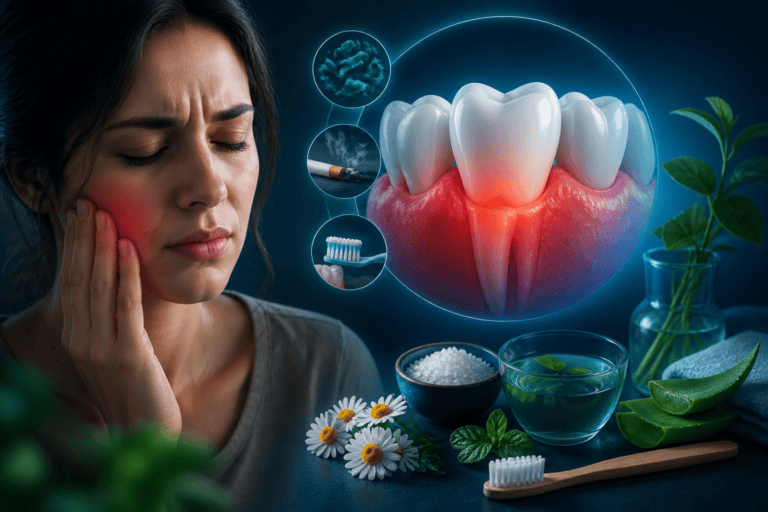
Finding a loose tooth as an adult can be a bit concerning. It’s normal for kids—they’re growing. But for adults, it could mean a dental issue needs attention. Loose teeth in adults might be caused by gum disease, an injury, or grinding your teeth. Knowing what’s causing it helps you decide what to do next.
Periodontal Disease
Gum disease, also called periodontal disease, is a major reason adults get loose teeth. This happens when bacteria build up in the mouth, causing inflammation and weakening the gum and bone that hold your teeth in place. The CDC notes that almost half of adults over 30 show signs of this, so it’s quite common.
Trauma and Injury
Getting hit in the mouth during a fall, car accident, or sports can also lead to a loose tooth. Here, physical force affects the tooth and the tissues around it.
Bruxism
Bruxism is when you grind or clench your teeth a lot. This can put too much pressure on your teeth, making them loose. It’s often related to stress or problems sleeping, and a dentist can help manage it.
Evidence: Home Remedies vs. Professional Treatment
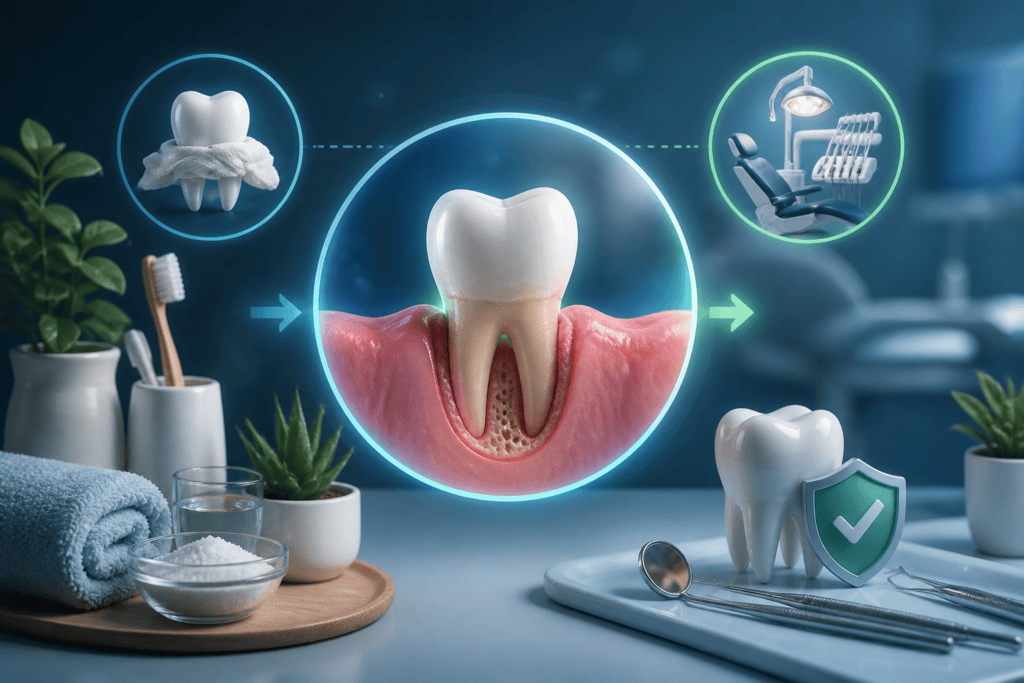
Before trying out home remedies, let’s weigh them against professional dental treatments. Some home tips can help take care of your teeth, but they shouldn’t take the place of expert advice when needed.
Home Remedies for Loose Teeth
- Saltwater Rinse: Warm saltwater can kill bacteria and soothe gums. It might help reduce inflammation temporarily.
- Oil Pulling: This is an old method where you swish oil, like coconut oil, in your mouth to cut down bacteria and improve oral health.
- Avoid Hard Foods: Staying away from hard or sticky foods can help prevent further strain on a loose tooth.
Professional Dental Treatments
- Scaling and Root Planing: This is a deep cleaning by a dentist to get rid of plaque and tartar under the gums.
- Splinting: The dentist can stabilize a loose tooth by attaching it to neighboring teeth with bonding material.
- Gum Surgery: If gum disease is severe, surgery might be needed to restore health to the gums.
| Option | Advantages | Limitations | Best Use Case |
|---|---|---|---|
| Home Remedies | Cost-effective, accessible | Temporary relief, not a cure | Mild cases, initial care |
| Professional Treatment | Comprehensive, effective | Costly, requires dental visit | Moderate to severe cases |
Operational Implications for Healthcare Providers
Healthcare providers need to know what both home and dentist treatments can and can’t do. Teaching you when to see a dentist can stop dental problems from getting worse. Providers should spot signs that need quick action.
For a closer look, explore our resource on key steps for Why Are My Gums Sore? Causes, Home Remedies, and Dental Care.
- Patient Education: Providers need to stress the importance of regular dental visits and early care to stop issues before they start.
- Referral Systems: Having a network with dental experts helps ensure patients get the specialized care they need quickly.
Common Mistakes and Misconceptions
People often delay seeing a dentist, thinking home remedies will work or worrying about the cost. Some mistakes include:
- Thinking all loose teeth can be fixed at home.
- Ignoring symptoms until they’re serious.
- Believing home remedies are full solutions.
It’s vital to tackle these myths through education and clear messaging about the dangers of postponing dental care.
Decision Framework: When to Seek Professional Help
Here’s a guide to help choose when to get professional help:
- Assess Symptoms: Check how loose the tooth is and if there’s any pain or bleeding.
- Initial Home Care: Try simple remedies like saltwater rinses and keep an eye on symptoms.
- Duration: If nothing gets better after a few days, see a dentist.
- Severity and Impact: If it’s pretty bad or affects daily life, go to the dentist right away.
- Regular Check-ups: Keep up with dental visits to avoid future problems and keep your mouth healthy.
Final Recommendation
Home remedies might help for a bit, but they’re not permanent fixes for loose teeth. Seeing a dentist is essential to figure out and treat what’s really going on. By understanding the causes, looking at the evidence, and following a careful decision process, you can take good care of your teeth.
Disclaimer: This content is published strictly for educational and general informational purposes. It does not constitute professional medical, legal, financial, or technical advice. Always consult a certified specialist or licensed professional regarding your specific situation before making decisions.