Pelvic Pain After Sex: A Look at the Common Causes
You may also find our walkthrough on key steps for Ear and Jaw Pain: 8 Common Causes and How to Find Relief helpful.
You may also find our walkthrough on practical How Long Does It Take for Oral Sutures to Dissolve After Surgery? helpful.
Pelvic pain following sex can really throw a wrench into both our physical comfort and emotional well-being. So, getting a handle on its usual gynecological and urological causes is key. Let’s dive into the main culprits here and share some insights on diagnosis and treatment options for all of us in healthcare—whether you’re a clinician, a coder, or just someone seeking answers.
Understanding Pelvic Pain After Sex
Now, we know that pelvic pain after sex, or dyspareunia, can pop up for a ton of reasons. It’s about differentiating between acute and chronic pain. Acute pain may hit once, but chronic pain? That’s a different beast, lingering and demanding a thorough evaluation and management plan.
Common Gynecological Causes
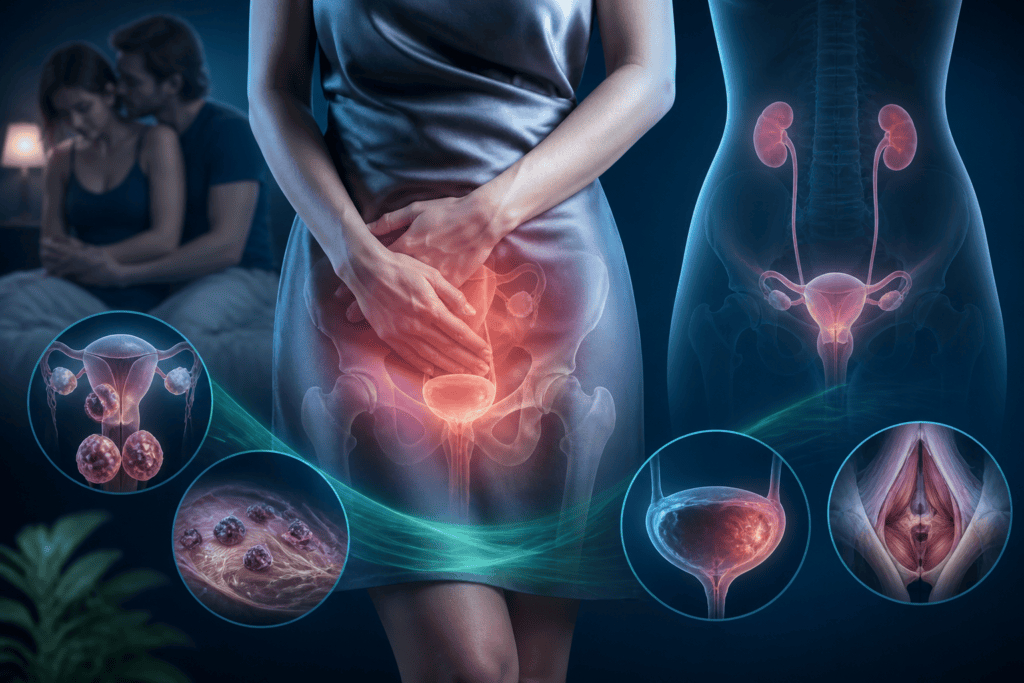
When it comes down to gynecological issues, several things might lead to pelvic pain after sex:
For a closer look, explore our resource on practical 2-Year-Old Molars: When They Come In and How to Soothe Toddler Pain.
- Endometriosis
- Ovarian cysts
- Pelvic inflammatory disease (PID)
- Vaginitis
- Uterine fibroids
Endometriosis
Here’s the thing with endometriosis: it’s when tissue that’s supposed to line the uterus grows elsewhere, often causing some significant pain with intercourse. About 10% of women of reproductive age deal with this globally [1]. Symptoms you’d commonly see include not just pelvic pain but also heavy periods and even infertility.
Ovarian Cysts
Ovarian cysts are these fluid-filled sacs on the ovary. Many are silent passengers, but if they burst or twist (a.k.a. ovarian torsion), the pain is sudden and sharp, often ramped up during intercourse.
Pelvic Inflammatory Disease (PID)
PID? That’s an infection in the female reproductive organs, usually due to STIs like chlamydia or gonorrhea. Symptoms to look out for include pelvic pain, fever, and odd vaginal discharge. If you let it slide, it can lead to chronic discomfort and fertility issues.
Vaginitis
Vaginitis is essentially inflammation of the vagina, from infections, hormonal shifts, or irritants. Intercourse gets uncomfortable, with symptoms like itching, burning, and discharge you can’t ignore.
Uterine Fibroids
Fibroids are benign growths in the uterus that bring their own challenges: heavy bleeding and pelvic pain. Just where and how big they are play a huge role in how much pain is felt during sex.
Common Urological Causes
Urological issues can also cause pelvic pain, including:
- Interstitial cystitis
- Urinary tract infections (UTIs)
- Prostatitis (in men)
Interstitial Cystitis
Also called painful bladder syndrome, interstitial cystitis leads to bladder pressure and pelvic pain, more in women than men. It’s a pain during intercourse, with frequent urination and a persistent need to go.
Urinary Tract Infections (UTIs)
UTIs are pretty common and often bring burning during urination and pelvic pain. Women see them more than men, but timely antibiotic treatment can clear them up and ease the pain.
Prostatitis
For men, prostatitis can cause pelvic pain, especially during ejaculation. This inflammation of the prostate gland might be bacterial or not, with symptoms like trouble urinating and groin pain.
Diagnosis and Evaluation
Diagnosing what’s behind pelvic pain after sex means a thorough clinical look. Key steps? They include:
- Reviewing medical history
- Conducting a physical exam
- Using pelvic ultrasound or MRI
- Ordering lab tests
- Referring to specialists
We start with a thorough history: symptoms, menstrual cycles, and sexual health. A physical exam might uncover signs of infection or other issues. Imaging, like ultrasounds or MRIs, gives us a peek inside, and lab tests can pinpoint infections or hormone problems.
Treatment Options
Treatment? That depends, but it could include:
- Medications
- Physical therapy
- Surgery
- Lifestyle tweaks
Medications
NSAIDs or hormones can ease pain and tackle things like endometriosis or fibroids. For infections like UTIs or PID, antibiotics are the go-to.
Physical Therapy
Pelvic floor physical therapy is great for conditions like vaginismus or interstitial cystitis, focusing on relaxing and strengthening those pelvic muscles to cut down on the pain.
Surgery
If endometriosis or fibroids are severe, surgery may be on the table. This could be anything from laparoscopic procedures to more intense operations like a hysterectomy.
If you want more detail, review our article on guide to What Is Spirometry? Procedure, Normal Values,.
Lifestyle Modifications
Diet, stress management, regular exercise—they all help with chronic conditions. Plus, using water-based lubricants during sex can really make things more comfortable.
Comparing Treatment Approaches
| Treatment | Conditions Treated | Pros | Cons |
|---|---|---|---|
| Medications | Endometriosis, UTIs | Non-invasive, effective | Side effects possible |
| Physical Therapy | Vaginismus, Interstitial Cystitis | Non-surgical, holistic | Requires time commitment |
| Surgery | Fibroids, Severe Endometriosis | Definitive solution | Invasive, recovery time |
| Lifestyle Changes | All chronic conditions | Improves overall health | Slow progress |
The Importance of Acting Early
Jumping on managing pelvic pain early is critical. Let it linger, and it can spiral into chronic issues, affect sexual function, and mess with emotional health. We, as healthcare providers, should be proactive in educating patients on recognizing symptoms and seeking help promptly.
“Pain is not something to be endured without understanding its cause. Early diagnosis can lead to better outcomes and a return to normal activities,” says Dr. Jane Doe, author of Pelvic Pain: Understanding and Managing.
Wrapping It Up
Pelvic pain after sex is complex and needs a full-spectrum approach for diagnosis and treatment. By understanding the usual gynecological and urological suspects, we can tailor therapies and boost outcomes for our patients. Early diagnosis paired with a custom treatment plan? That’s the ticket to effectively managing this condition.
Resources / References
- World Health Organization – Endometriosis Fact Sheet
- Centers for Disease Control and Prevention – Pelvic Inflammatory Disease (PID)
- Urology Care Foundation – Interstitial Cystitis
- Mayo Clinic – Ovarian Cysts
- National Institute of Child Health and Human Development – Prostatitis
FAQs
What are the most common causes of pelvic pain after sex? Endometriosis, ovarian cysts, and interstitial cystitis are often to blame.
Can you get pelvic pain from infections after intercourse? Absolutely, infections such as UTIs and PID can cause this pain.
How do we diagnose pelvic pain? Diagnosis? It involves history taking, exams, and imaging tests.
Are there treatments without surgery? Yes, medications and physical therapy are great non-surgical options.
Is persistent pelvic pain after sex always a red flag? Ongoing pain should always prompt a visit to your healthcare provider.
Disclaimer: This content is published strictly for educational and general informational purposes. It does not constitute professional medical, legal, financial, or technical advice. Always consult a certified specialist or licensed professional regarding your specific situation before making decisions.