Untangling Ear and Jaw Pain: Discover Causes, Find Relief
Ear and jaw pain. Intriguing, yes? Often more perplexing than your last jigsaw puzzle, and just as likely to disrupt your day. But fear not! Unearthing the underlying causes is key to effective relief. So, let’s delve into eight common culprits, comparing them and offering a practical roadmap for healthcare providers, coders, billing aficionados, and the curious.
A Little Background
Think of ear and jaw pain as a party where dental issues, TMJ disorders, sinusitis, and neuralgia all show up uninvited. Diagnosing the life of this party? Challenging. Symptoms overlap more than a crowded Venn diagram. The American Dental Association warns misdiagnosis often occurs thanks to this symptomatic masquerade.
Eight Usual Suspects of Ear and Jaw Pain
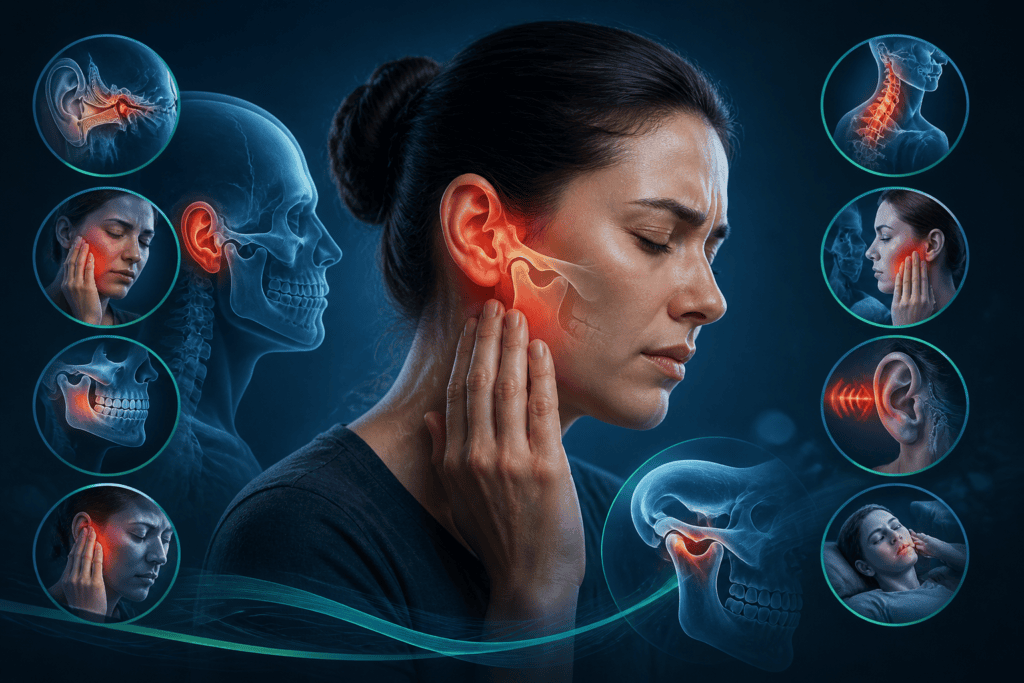
- TMJ Disorders: The jaw joint running amok, creating a symphony of pain near the ears and jaw. Affecting 10 million Americans, courtesy of the National Institute of Dental and Craniofacial Research.
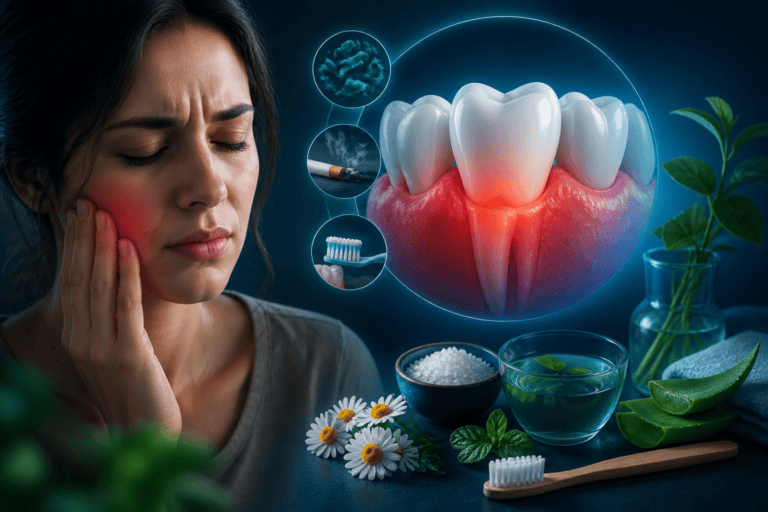
- Dental Drama: Tooth infections, abscesses, and caries—the unwelcome guests referring their misery straight to your ear and jaw.
- Sinusitis: Inflamed sinuses throwing a pressure party, with your jaw and ears on the guest list.
- Ear Infections: Otitis media, children’s favorite nemesis, often bringing jaw pain along for the ride.
- Neuralgia: Trigeminal neuralgia, sending piercing pain from jaw to ear with precision.
- Arthritis: Osteoarthritis and rheumatoid arthritis taking an interest in your jaw joint’s wellbeing.
- Bruxism: Teeth grinding at its finest—leaving your jaw muscles sore and ready to complain.
- Stress and Anxiety: When the mind’s stress manifests physically—jaw muscles tense, discomfort inevitable.
Comparing the Culprits
| Condition | Symptoms Overlap | Unique Indicators | Best Diagnostic Tools |
|---|---|---|---|
| TMJ Disorders | Jaw stiffness, headache | Clicking/popping sound in jaw | MRI, dental X-rays |
| Dental Issues | Swelling, sensitivity | Visible tooth decay | Dental examination, X-rays |
| Sinusitis | Nasal congestion, fever | Facial pressure, nasal discharge | CT scan, nasal endoscopy |
| Ear Infections | Hearing loss, fever | Ear discharge | Otoscopy |
| Neuralgia | Facial pain, sensitivity | Electric shock-like pain | Neurological examination |
The Healthcare Provider’s Playbook
For the sharp-eyed healthcare provider, knowing these malefactors can streamline diagnosis, soothe patient woes, and nix superfluous tests. Proper coding and billing? Key to getting reimbursed without tussling with insurers, ensuring all is squared away.
Take TMJ evaluations. CPT codes like 21010 (Arthrotomy, temporomandibular joint) or 21050 (Condylotomy) can keep your billing fair and square. And ICD-10 specifics like M26.621 (Right TMJ disorder)? Just what the paperwork doctor ordered.
Pitfalls to Avoid
- Sidelining Dental Causes: Don’t be dazzled by the complex; sometimes it’s just a tooth. A dental checkup might be your best bet.
- Dismissing Psychological Factors: Stress-induced bruxism—please stand up. Ignoring it? An express ticket to more pain.
- Diagnostic Overkill: Ordering extraneous CTs or MRIs sans real need just raises costs without much payoff.
Crafting a Decision Framework
- Evaluate Symptoms: Dive into symptoms first, spotlighting any unique clues.
- Tackle Common Causes: Rule out dental and TMJ issues early—they’re often the culprits.
- Deploy Targeted Diagnostics: Use tools like otoscopy and dental X-rays precisely.
- Apply Multimodal Treatment: Mingle physical therapy, medication, and stress management in your approach.
- Review and Revise: Check treatment outcomes often, adjust based on patient feedback.
Recommendation Round-Up
Tackling ear and jaw pain demands a layered strategy—symptom scrutiny, diagnostic accuracy, and tailored treatment are non-negotiable. For healthcare providers, appreciating the shades of each probable cause enhances patient care, leading to better outcomes. Following the decision framework sketched out here can guide the diagnostic and therapeutic journey with aplomb.
Disclaimer: This content is published strictly for educational and general informational purposes. It does not constitute professional medical, legal, financial, or technical advice. Always consult a certified specialist or licensed professional regarding your specific situation before making decisions.