Can You Sip a Tipple 24 Hours After a Tooth Extraction? The Dry Socket Dilemma
Tooth extraction. A dental drama that brings with it not just gauze-packed cheeks, but a flurry of post-op dilemmas. Chief among these is the burning question: “Can you indulge in a bit of spirited celebration a day after having a tooth yanked?” Dive into the nitty-gritty of how a mischievous glass of wine might just spawn the dreaded dry socket, a sworn enemy of healing. This write-up will uncork the facts about when your next drink won’t make the dentist wince.
For a closer look, see our guide to What to Eat After a Tooth Extraction: Best Soft Foods for Recovery guide.
Tooth Extraction: Not Just a Yank and Call It a Day
So, what’s involved in this common yet cunning procedure? Tooth extractions are essentially an eviction of your tooth from the cozy little socket snugly nestled within your jawbone. It’s necessary when decay, infection, or a penchant for straight teeth demand it. Post-eviction, a blood clot emerges—a veritable barricade protecting bones and nerves, lest complications say hello.
You may also find our guide to Can a General Dentist Remove Teeth? Extractions vs. Oral Surgery guide helpful.
Your Blood Clot: The Unsung Hero
This clot is your body’s little guardian, warding off bacteria and encouraging tissue to knit back together. But should this hero be forcibly removed? Enter dry socket, a horror flick starring severe pain and delayed recovery.
Dry Socket: When Good Clots Go Bad
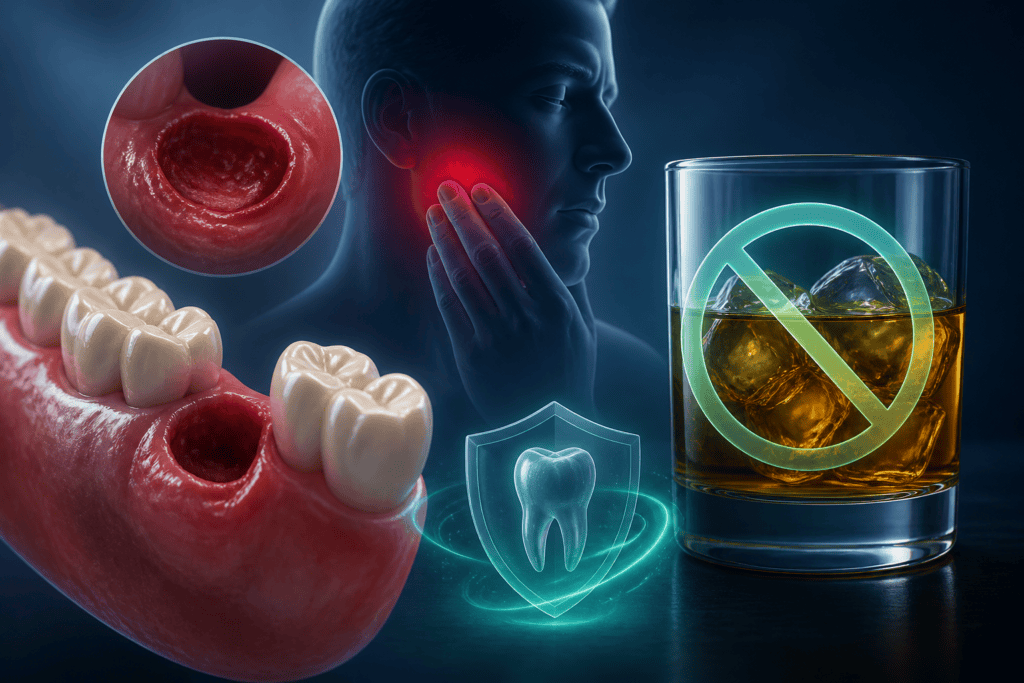
Destruction, thy name is dry socket. It strikes when the protective clot dislodges or dissolves too soon, revealing raw bone and nerve endings. The result? Pain so acute it makes you wonder why you have teeth at all. Tell-tale signs include:
- A jaw that throbs like a rock concert
- An unwelcome flavor that lingers
- Bone that peeks out, probably just as horrified as you are
How Dry Socket Happens
Ah, the many paths to dental doom:
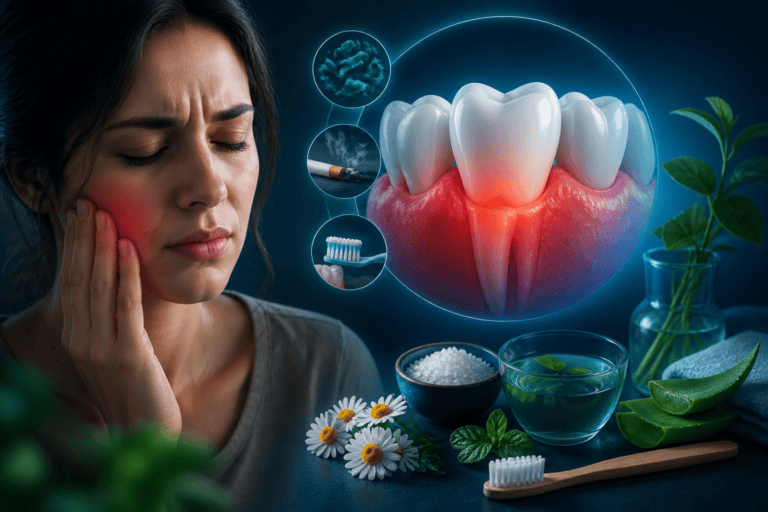
- Puffing on a cigarette
- Neglecting your pearly whites
- Channeling your inner whirlwind with vigorous rinsing
- Defying physics by drinking with a straw
- And, of course, imbibing alcohol
Each action, a surefire way to send that clot packing.
Alcohol After Extraction: Think Twice
Alcohol: Delight of gatherings, yet suspect post-surgery. Your care team will probably grimace at the idea of you raising a glass within 48 hours of extraction.
Why Alcohol is a No-Go
Its villainous ways include:
- Drying out your system, leaving healing to fend for itself
- Upping the odds of bleeding
- Clashing with your meds
- Clouding judgment, with aftercare as collateral damage
All contributing to a longer, more irritable recuperation.
Raise a Glass Too Soon? Risks at Play
A celebratory drink too close to extraction time brings a platter of perils, not least the notorious dry socket.
Dry Socket: The Encore
Fancy a game of risk with your blood clot? Alcohol’s destabilizing antics can increase its chances of making an early exit—especially when paired with other naughty habits like smoking.
Mixing Booze and Painkillers: A Recipe for Regret
Post-op meds like ibuprofen might be on your roster. Pairing them with alcohol could lead to:
- Sleepy afternoons
- Tummy turmoil
- Your liver waving a white flag
A Slow March to Recovery
Alcohol doesn’t just sit on the sidelines; it actively slows your body’s healing orchestra, turning a brief recovery into an extended performance.
Post-Extraction Playbook
For a hassle-free recovery, heed these simple rules:
- Shelve that drink for 48 hours
- Keep your dental hygiene on point
- Listen to your dentist’s script
- Show up to your follow-ups
- Call in the professionals if things go awry
More Handy Hints
On top of abstaining from alcohol, consider these tips:
- Opt for mushy meals
- Sidestep the cigarette
- Break out the cold compress for swelling
These simple steps can turn the tide in your favor, hastening your healing journey.
Risky Business: A Side-by-Side Look
| Risk Factor | Impact on Healing | Recommendation |
|---|---|---|
| Alcohol Consumption | Increases dry socket risk | Avoid for 48 hours |
| Smoking | Impairs clot formation | Avoid entirely |
| Poor Oral Hygiene | Increases infection risk | Maintain proper care |
| Vigorous Rinsing | Can dislodge clot | Rinse gently |
| Using a Straw | Creates suction | Avoid use |
The Bottom Line
The allure of post-extraction libations might be strong, but the guide to Drinking Alcohol After Wisdom Tooth Extraction should give even the bravest pause. Grasping the risks and sticking to the prescribed recovery protocol will make you the favorite patient of your oral healthcare provider. Laying off the booze for just 48 hours could save you from weeks of regret.
If you want more detail, read our article on Does a Dry Socket Heal on Its Own? Recovery Timeline and Care guide.
If you want more detail, read our article on When Can You Drink Alcohol After Wisdom Teeth Removal? Safety Timeline guide.
Your Trusted References
- American Dental Association – Extractions
- NHS – Wisdom Tooth Removal
- Mayo Clinic – Tooth Extraction
- CDC – Smoking Cessation Fast Facts
- MedlinePlus – Ibuprofen
FAQs
1. Can I smoke after a tooth extraction?
Nope. Smoking is a no-go as it messes with healing and ups the dry socket risk.
2. How soon can I eat solid foods?
Give it a good 24-48 hours before you dive back into crunchier terrain.
3. What pain medication is safe after extraction?
Your best bets are over-the-counter gems like ibuprofen or acetaminophen, unless your dentist says otherwise.
4. Can I rinse my mouth after extraction?
Sure, but think gentle swirls in warm salt water, not tsunami-grade swishing.
5. How long does it take for a socket to heal?
Generally, you’ll be in the clear within 1-2 weeks.
Disclaimer: This content is published strictly for educational and general informational purposes. It does not constitute professional medical, legal, financial, or technical advice. Always consult a certified specialist or licensed professional regarding your specific situation before making decisions.