White spots on teeth. A cosmetic challenge for some, a beacon of dental distress for others. But fret not—understanding their origins, how to prevent them, and treatment pathways can light the way for healthcare providers, dental coders, and those scouring the web for impeccable oral health tips. Let’s embark on a detailed exploration, armed with evidence, comparisons, and a dash of practical logic.
Decoding White Spots: Causes and Context
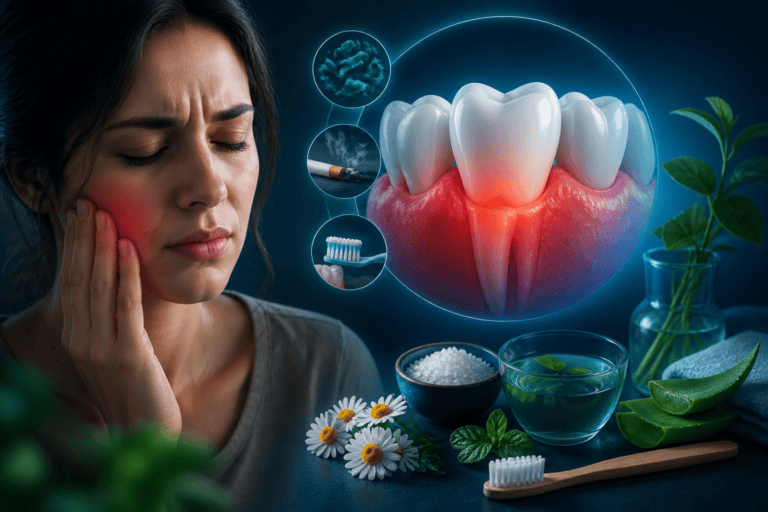
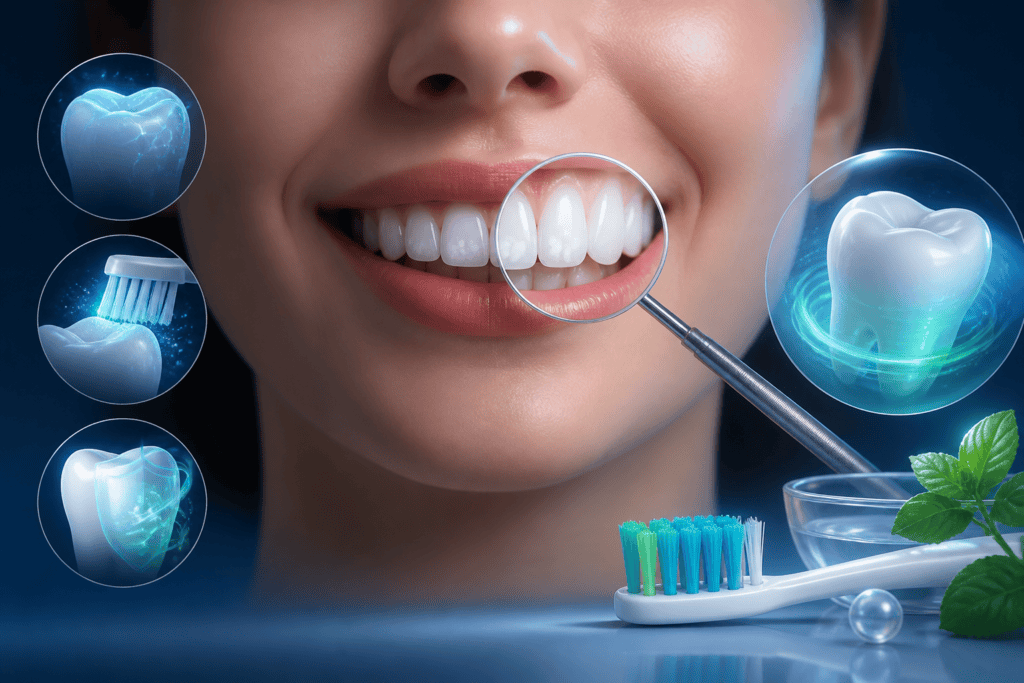
What are these pesky white spots? Often the first red flag of demineralization. Yes, when your enamel decides it’s time for a calcium and phosphate exodus. Why does this upheaval occur?
- Dental Fluorosis: An overdose of fluoride in your formative dental years. Result? White streaks or spots that stand out more than your high school photo.
- Enamel Hypoplasia: Disrupted enamel formation courtesy of diet blunders, illness, or your genes throwing a party without permission.
- Lax Oral Hygiene: Skip plaque removal, invite demineralization. Braces only add to the drama.
- Dietary Shenanigans: Sugar overload is a quick ticket to spotty enamel and cavities.
Grasping these culprits is the first step to unearthing the mystery and tailoring the right intervention.
For a closer look, see our guide to What Are the White Spots on My Teeth? Enamel Hypoplasia to Fluorosis guide.
Evidence-Based Wisdom and Comparisons
Research offers a treasure trove of insights into how common white spots are, and how well treatments work. The Cochrane Library extols topical fluoride as the unsung hero for remineralizing early enamel lesions. Meanwhile, the NIH sings praises for fluoride varnishes and gels.
A snapshot comparison of treatments:
| Option | Pros | Cons | Ideal Scenario |
|---|---|---|---|
| Fluoride Treatments | Boosts remineralization | Weak on severe cases | Early-stage correction |
| Microabrasion | Strips away minor defects | Multiple rounds may be needed | Superficial spots |
| Veneers | Instantly pleasing aesthetics | Pricey and invasive | Widespread or severe spots |
| Resin Infiltration | Subtle and effective | Needs expert care | Moderate spots |
Implications for Healthcare Practitioners
Dentists, wake up and smell the billing codes. Knowledge of these treatments isn’t just helpful—it’s essential. Precision in coding when it comes to fluoride treatments, microabrasion, and veneers is your ticket to smooth reimbursement. Know your CPT from your ICD-10—a delicate dance, yes, but worth the effort.
For those curious about how to address early dental issues, the Can Fluoride Reverse an Early Cavity? Remineralization Explained overview offers valuable insights into prevention and treatment.
For instance, CPT code 99188 applies to fluoride varnish, while D9974 deals with enamel microabrasion. Document well, code right, and avoid the downward spiral of claim denials.
Avoiding the Usual Pitfalls
Lurking errors that can derail outcomes or financials:
- Misdiagnosis: A wrong call on the cause can lead to a merry-go-round of ineffective treatments. Thorough assessment is key.
- Poor Coding: Bungled CPT codes equal denied claims. Stay sharp with training and updates.
- Skipping Prevention: Don’t ignore the power of dietary guidance and fluoride in warding off white spots.
Treatment Selection: A Decision Matrix
Navigating through treatment choices? Follow this decision matrix:
- Gauge Severity: Clinical exams and radiographs will tell the tale of those spots.
- Identify the Culprit: Is it fluorosis, hypoplasia, or another suspect?
- Consider Patient Preferences: What’s the cosmetic goal and wallet capacity?
- Match Treatment: Use our trusty table to align severity with solution.
- Prevent Recurrence: Drill in oral hygiene and fluoride use.
Final Thoughts
Addressing white spots demands a cocktail of clinical knowledge, patient desires, and research-backed practices. By dissecting causes, weighing treatment pros and cons, and employing a systematic decision-making approach, healthcare providers can boost patient satisfaction and keep the practice humming efficiently.
Disclaimer: This content is published strictly for educational and general informational purposes. It does not constitute professional medical, legal, financial, or technical advice. Always consult a certified specialist or licensed professional regarding your specific situation before making decisions.