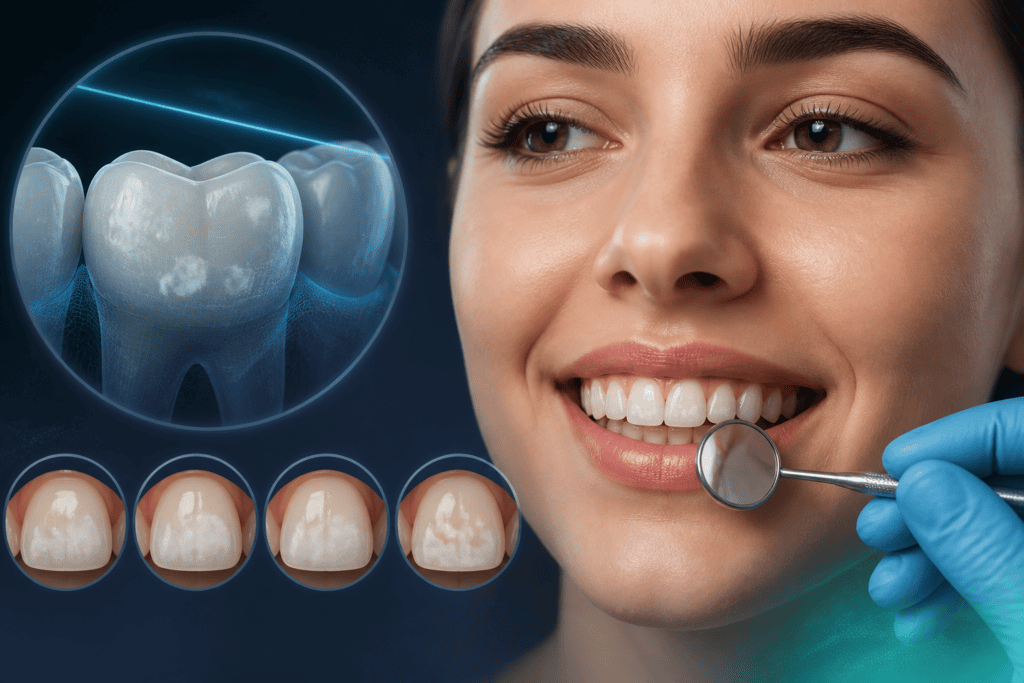
Understanding White Spots on Teeth: From Enamel Hypoplasia to Fluorosis
White spots on teeth—they can be a bit of a head-scratcher, right? Honestly, they can cause concern for both patients noticing them and us, as healthcare providers, when trying to pin down the cause. These spots can stem from a range of conditions, like enamel hypoplasia, fluorosis, or other dental issues. Let’s dig into what’s behind these spots, see how the conditions stack up against each other, and outline a decision framework to help us figure out the cause and the next steps.
Background: Why Are We Seeing White Spots on Teeth?
The thing about white spots on teeth is they show up as distinct, opaque white areas against the normal enamel. These can pop up for all sorts of reasons and typically hint at some kind of hiccup in how teeth develop or are maintained. Let’s break down the main culprits:
- Enamel Hypoplasia: This is a developmental issue leading to thin or flawed enamel, often due to factors like genetics, nutritional deficits, or environmental factors during the development of teeth.
- Dental Fluorosis: When kids consume too much fluoride early in life, it can cause white streaks or spots, often a result of excessive fluoride intake.
- Demineralization: Linked to less-than-stellar oral hygiene, this occurs when plaque builds up, sapping minerals from teeth and leading to those pesky white spots.
Evidence: Pinpointing the Causes
Getting to the root of why these white spots appear is key to picking the right treatment path. Let’s take a closer look at each potential culprit:
Enamel Hypoplasia
Characterized by thin or missing enamel, enamel hypoplasia can be identified through dental exams coupled with a patient’s history. Common causes include:
- Poor nutrition during pregnancy or early childhood
- Premature birth or low birth weight
- Chronic illnesses in infancy
Dental Fluorosis
Fluorosis often results from too much fluoride while teeth are forming—typically in kids under eight. It’s notable for its:
- History of high fluoride intake, like through drinking water
- Overuse of fluoride supplements or toothpaste
Demineralization
White spots from demineralization usually tie back to poor oral care and show up during a visual check for plaque build-up:
- Poor brushing and flossing habits
- Frequent consumption of sugary or acidic foods
Comparison: Differentiating the Conditions
Now, how do we tell these causes apart? Comparing their main features helps:
| Condition | Key Features | Diagnostic Methods | Best Treatment Approach |
|---|---|---|---|
| Enamel Hypoplasia | Thin enamel, pits, grooves | Visual examination, patient history | Restorative treatments (e.g., bonding, veneers) |
| Dental Fluorosis | White streaks or spots; history of fluoride exposure | Review of fluoride intake history | Teeth whitening, veneers, microabrasion |
| Demineralization | Chalky white spots near gums | Visual examination, plaque assessment | Fluoride treatments, improved oral hygiene |
Operational Implications: Tackling the Issue
For us, as healthcare providers, knowing the implications of each condition is crucial for giving effective care:
Enamel Hypoplasia
For cases of enamel hypoplasia, solutions in cosmetic and restorative dentistry might be necessary. Here’s what to keep in mind:
- Assessing the extent of enamel loss
- Discussing restorative options like bonding or crowns
- Monitoring for increased dental caries risk
Dental Fluorosis
When dealing with fluorosis, the focus is on cosmetic improvements and curbing further fluoride exposure:
- Evaluating the severity of discoloration
- Providing treatments such as veneers or whitening
- Educating on proper fluoride usage
Demineralization
To combat or prevent demineralization, a push for better oral hygiene and interventions is key:
- Recommending fluoride varnishes or gels
- Encouraging regular dental cleanings
- Advising dietary changes to cut down on sugar
Common Missteps to Avoid
Being in the loop about common mistakes when diagnosing and treating white spots is helpful for both patients and providers:
- Misdiagnosis: Overlooking a patient’s fluoride history can lead to wrong treatment plans.
- Over-treatment: Avoid jumping to invasive cosmetic procedures if less aggressive options could do the trick.
- Neglecting Prevention: Skipping on educating patients about prevention can cause issues to come back or worsen.
Decision Framework: Picking the Right Path
Ready to make a decision? Here’s a step-by-step framework to guide you:
- Gather Comprehensive Patient History: Consider dietary habits, fluoride exposure, and oral hygiene practices.
- Conduct a Thorough Examination: Pinpoint white spot characteristics and gauge overall dental health.
- Diagnose the Underlying Cause: Utilize the comparison table to align features with conditions.
- Select an Appropriate Treatment Plan: Tailor treatments to the condition, balancing cosmetic and health considerations.
- Implement Preventive Strategies: Educate on good oral hygiene and proper fluoride use to prevent future issues.
Final Recommendation: Making Informed Decisions
White spots on teeth aren’t just a cosmetic issue—they can signal underlying health problems needing attention. By grasping their causes, comparing their features, and using a structured decision-making approach, we as healthcare providers can tackle these issues effectively. Whether it’s through restorative solutions, cosmetic fixes, or upping the ante on oral care, informed action is our ally in maintaining dental health and aesthetics.
Disclaimer: This content is published strictly for educational and general informational purposes. It does not constitute professional medical, legal, financial, or technical advice. Always consult a certified specialist or licensed professional regarding your specific situation before making decisions.