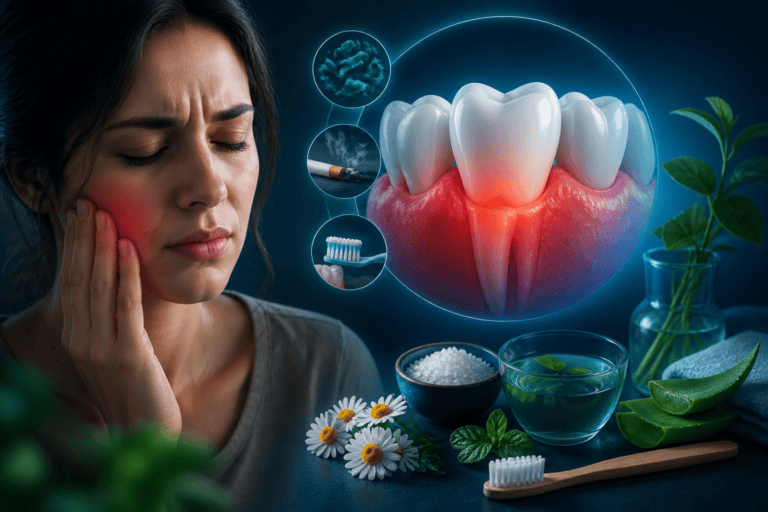
Why Does My Gum Hurt in One Spot? Causes and Home Remedies
If you’re pondering, “Why does my gum hurt in one spot?” you’re certainly not the first. It’s a familiar dental woe that can be both distressing and uncomfortable. Gaining clarity on the possible causes and remedies can guide you toward the right solution.
If you want more detail, read our article on How to Relieve Tooth Pain Fast: Home Remedies and Dental Care guide.
For a closer look, see our guide to Canker Sore Treatments: Fast Home Remedies and Medical Options guide.
For a closer look, see our guide to Why Do My Gums Hurt in One Spot? Localized Gum Pain Causes guide.
If you want more detail, read our article on Why Do My Legs Feel Heavy and Weak? Vascular and Neurological Causes guide.
Related reading: key steps for How to Get Rid of a Bump on Your Tongue: Safe Remedies and Causes.
Common Culprits Behind Localized Gum Pain
More often than not, localized gum pain stems from injury, infection, or irritation. A little cut, a pesky popcorn kernel wedged in there, or maybe just brushing too vigorously can all lead to discomfort. Then there are gum infections like gingivitis or periodontitis, which often start small and localized before spreading.
Related reading: key steps for Is Gingivitis Contagious? How Gum Disease Bacteria Spread.
In our line of work, we frequently encounter patients who’ve accidentally hurt their gums with dental floss or tough foods. Infections might just tickle at first, but, let’s be honest, they can get out of hand if left untreated.
Is the Pain Signaling Something Serious?
It can, indeed. Localized gum pain might be hinting at a more significant dental issue. Think abscesses or advanced periodontal disease—they often make a quiet entrance with localized pain. An abscess, essentially a pocket of pus from infection, can be particularly painful.
A common pitfall is to brush off persistent pain, hoping it’ll just vanish. But if the pain’s severe, lingers, or comes with swelling, it’s high time to see a dentist.
Spotting an Abscess—What to Look For
An abscess often brings persistent, throbbing pain, swelling, and sometimes a rotten taste in your mouth. You might even spot a small, pimple-like bump on the gum.
For a closer look, explore our resource on key steps for How to Stop Throbbing Pain After a Root Canal: Relief and Red Flags.
Where we often falter is missing the subtle signs of an abscess, dismissing it as minor. It’s critical to watch for any symptom shifts and get a professional evaluation if you suspect an abscess.
Home Remedies for Easing Gum Pain
Though professional advice is a must for persistent pain, there are home remedies for immediate relief. Rinsing with warm salt water can help reduce inflammation and kill bacteria. A cold compress might also ease swelling and numb the area a bit.
In our experience, over-the-counter pain relievers like ibuprofen can be a lifesaver temporarily but don’t let them be your long-term plan without consulting a dentist.
When’s the Right Time to Visit a Dentist?
If the pain sticks around for more than a few days, if there’s noticeable swelling, or you’re battling a fever, it’s wise to see a dentist. These could signal a more serious condition needing professional intervention.
The often-overlooked piece is early intervention’s role. Waiting on a dental visit can lead to problems that might demand more extensive treatment.
Tips to Steer Clear of Future Gum Pain
Good oral hygiene is your best defense against gum pain. This means brushing twice a day with a soft-bristled brush, flossing regularly, and using an antiseptic mouthwash.
Proper technique in brushing and flossing can ward off injuries. Regular dental check-ups are also essential for catching and nipping potential issues in the bud.
Treating Patients with Gum Pain: What to Consider
Providers should carry out a thorough exam to rule out systemic causes of gum pain. Gathering detailed patient histories can uncover lifestyle factors like smoking or stress that might contribute.
The danger is misdiagnosis due to overlapping symptoms with other oral problems. Documenting symptom progression is key for accurate diagnosis and effective treatment planning.
Handling Gum Pain Treatment Claims in Dental Coding
Getting the coding right is crucial for claims related to gum pain treatments. Common codes include D0140 for a limited oral evaluation or D0170 for re-evaluating a problem area.
Where pitfalls often arise is in the scant documentation of symptoms, leading to claim denials. Comprehensive charting of a patient’s condition and treatment plan backs up billing claims.
Decision Table for Localized Gum Pain Management
| Situation | Recommended Approach | Common Risk | Documentation Needed |
|---|---|---|---|
| Mild irritation | Home remedies, monitor for changes | Overlooking infection | Patient symptoms, home care instructions |
| Persistent pain | Consult dentist | Progression to abscess | Detailed symptom history |
| Swelling and fever | Immediate dental evaluation | Severe infection | Patient vitals, referral documentation |
Disclaimer: This content is published strictly for educational and general informational purposes. It does not constitute professional medical, legal, financial, or technical advice. Always consult a certified specialist or licensed professional regarding your specific situation before making decisions.