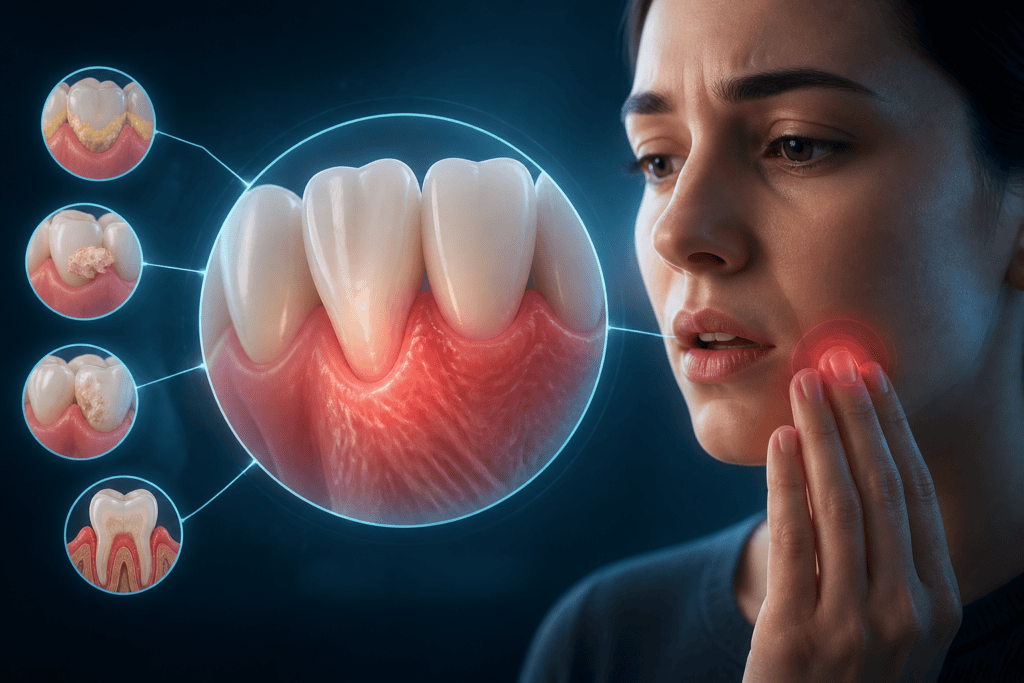
Why Do My Gums Hurt in One Spot? Localized Gum Pain Causes
Ever felt that annoying gum pain in just one little spot? It’s both puzzling and painful, isn’t it? For healthcare folks, figuring out what’s causing that nagging ache and giving patients the right advice is super important. So, let’s dive into the common culprits behind localized gum pain and how to tackle them like a pro.
What Causes That Localized Gum Pain?
That pesky gum pain can pop up from a bunch of dental issues—think trauma, infection, or even some broader health concerns. The usual suspects? Gingivitis, periodontal disease, or perhaps an abscess from a sneaky bacterial infection. People often notice the pain hanging around one tooth; that might hint at a dental abscess or maybe an injury from a rogue piece of sharp food.
How Does Dental Plaque Play a Role in Gum Pain?
Plaque buildup is often the main villain when it comes to inflamed and achy gums. Let plaque hang around too long, and it could lead to gingivitis—which makes those gums red, puffy, and quick to bleed. Here’s the kicker: if this inflammation isn’t kept in check, it can escalate to periodontitis. That’s when we’re talking about more serious gum disease, including tissue and bone loss around those pearly whites.
Could a Dental Abscess Be the Culprit?
A dental abscess is a frequent flyer in the world of sharp, targeted gum pain. This happens when bacteria infiltrate a tooth’s pulp, sparking an infection. The pain it brings? Sharp and throbbing. You might even notice some swelling or pus draining. One thing that’s easy to overlook is just how quickly this infection can spread if not treated pronto.
Can Physical Trauma Make My Gums Hurt?
You bet! Trauma from going too hard with the toothbrush, floss, or munching on hard foods can definitely cause some localized gum discomfort. Usually, this is just a temporary nuisance and you can manage it with some gentle TLC for your mouth. It can be tricky sometimes because people don’t always connect their brushing habits with the pain they feel.
Could Systemic Conditions Mess with My Gum Health?
Absolutely, broader health issues like diabetes or certain nutritional hiccups can show up as gum pain. Take vitamin C deficiency, for instance, also known as scurvy, which can cause swollen and bleeding gums. It’s easy to overlook these systemic factors when checking out gum health, which is why taking a holistic peep at the patient’s overall health is critical.
What’s the Best Way to Evaluate Patients with Gum Pain?
A thorough oral check-up is the way to go, including a good look at medical history and any recent changes in how they’re caring for their teeth. X-rays can be super handy to spot things like abscesses or bone loss that aren’t visible to the naked eye. Sometimes, not considering all potential factors can lead to half-baked evaluations.
What Are the Go-To Treatment Options?
What you do really depends on what’s causing the gum pain. Bacterial infections may need antibiotics or even abscess drainage. Gingivitis? That calls for stepping up oral hygiene and maybe a professional cleaning. Consistent follow-ups are key to nipping those symptoms in the bud.
Decision Table for Managing Localized Gum Pain
| Situation | Recommended Approach | Common Risk | Documentation Needed |
|---|---|---|---|
| Gingivitis | Up your oral hygiene game, professional cleaning | Could progress to periodontitis | Details on patient oral hygiene habits, treatment plan |
| Dental Abscess | Antibiotics, maybe drainage | Spread of infection | X-rays, infection site notes |
| Physical Trauma | Gentle care, steer clear of irritants | Ongoing irritation | Patient trauma history, care tips |
| Systemic Conditions | Tackle underlying health issues | Persistent gum problems | Medical history, systemic condition treatment records |
When’s the Right Time to See a Specialist?
If that gum pain just won’t quit despite initial care, seeing a periodontist or oral surgeon might be the next step. This is a must, especially if advanced periodontal disease is suspected or if the pain’s origin is a mystery. Waiting too long for referrals can mean symptoms worsen, making treatment trickier.
How Can Patients Keep Gum Pain at Bay?
Prevention is your best friend here for dodging that pesky gum pain. Keep up with good oral habits like brushing twice a day with fluoride toothpaste, flossing, and regular dental check-ups. Don’t forget how diet and overall health play into oral health—so go for a balanced diet and keep chronic conditions in check.
Knowing what’s behind localized gum pain and how to deal with it empowers healthcare providers to offer stellar guidance and care, ensuring patients get the thorough and timely treatment they need.
Disclaimer: This content is published strictly for educational and general informational purposes. It does not constitute professional medical, legal, financial, or technical advice. Always consult a certified specialist or licensed professional regarding your specific situation before making decisions.