For adults, keeping your teeth healthy isn’t just about looks. It’s important for your overall health too. If you find a tooth is loose but still hanging on, it can be pretty worrying. But don’t fret—understanding why this might happen and what can be done is key. This article explores why adult teeth might become loose, what treatments can help, and why acting quickly matters.
The Basics of Adult Teeth
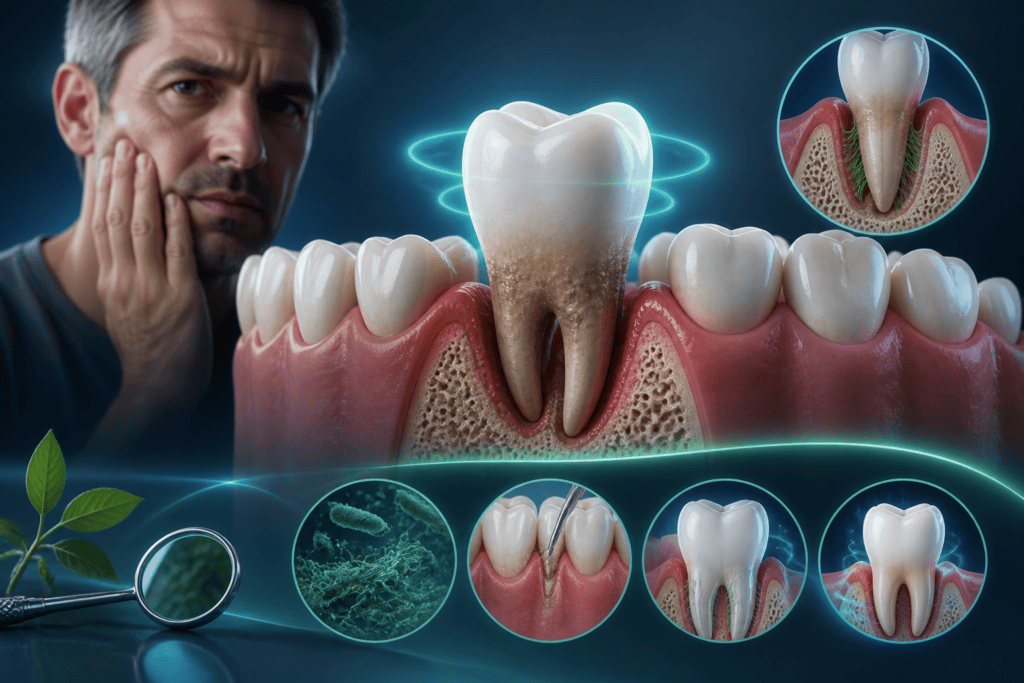
Before we dive into why a tooth might get loose, let’s talk about how your teeth are put together. An adult tooth is held in place by a part called the periodontal ligament. It’s a bit like a cushion that takes the force when you chew. This ligament, along with your gums and the bone that holds your teeth, forms the periodontium. It’s like a team that keeps your tooth stable.
If anything messes with this team, your tooth might start to move around. So, finding out why a tooth is loose means checking out the health of these parts.
Why Do Adults Get Loose Teeth?
1. Gum Disease
Gum disease, or periodontal disease, is the top reason adults’ teeth get wobbly. The Centers for Disease Control and Prevention (CDC) says almost half of folks over 30 have some signs of it. It can start as gingivitis, which is mild, but can get more serious and cause real damage.
Watch for gums that are red, swollen, or bleed, or if you have bad breath. If you don’t treat it, the bone could shrink, and you might lose teeth.
2. Injuries to Teeth
Accidents can also make teeth loose. Even if the tooth stays put, the hit can harm the support system. Think sports injuries, falls, or crashes. It’s important to see a dentist right away to check things out and decide on treatment.
3. Weakened Bones
If bones are weak, like with osteoporosis, your jaw might not hold your teeth as well. A study in the Journal of Dental Research points out a link between weaker bones and gum disease. Keeping bones healthy helps keep teeth stable.
4. Grinding Teeth
Grinding or clenching your teeth, called bruxism, puts a lot of stress on them. This can damage the support around the teeth and make them loose. Look out for jaw pain, headaches, or teeth that look worn down.
5. Health Conditions
Some health problems, such as diabetes, can make gum disease worse. Diabetes can make it harder for your body to fight infections and heal, making gums more likely to get inflamed. Keeping blood sugar levels in check is important.
What Can Be Done About Loose Teeth?
Fixing a loose tooth means figuring out what’s causing the problem and then treating it. Here are some options:
No Surgery Needed
- Deep Cleaning: This gets rid of plaque and tartar under the gums, calming things down and helping them heal.
- Medications: Things like antibiotics or special mouth rinses can help control infection and swelling.
- Splinting: A dental splint can tie loose teeth together, helping the support tissue heal.
When Surgery Helps
- Gum Surgery: Procedures like lifting the gums or adding bone can fix what’s been lost and support the teeth better.
- Removing a Tooth: Sometimes, the tooth can’t be saved and needs to be taken out to avoid more issues.
Everyday Care and Lifestyle
- Keep It Clean: Regular brushing, flossing, and dentist visits are essential for keeping gum disease at bay.
- Eat Right: A diet with plenty of calcium and vitamin D helps your bones. Avoid too much sugar to fend off gum disease.
- Manage Stress: Things like meditation or exercise can help reduce stress that might cause you to grind your teeth.
Staying Healthy for the Long Run
Preventing loose teeth takes a few different steps. Regular dentist visits catch gum disease early, so it can be managed. Good oral habits and taking care of health issues like diabetes and osteoporosis are also critical.
Wearing protective gear during sports can prevent injuries, and night guards can stop grinding damage. These are simple but effective measures.
Quick Look: Causes and Treatments for Loose Teeth
| Cause | Main Symptoms | Possible Treatments |
|---|---|---|
| Gum Disease | Red and swollen gums, bleeding, bad breath | Deep cleaning, medications, surgery |
| Injuries | Tooth moves, pain | Dental check, splinting, surgery |
| Weak Bones | Lower bone density | Manage bone health, dental care |
| Grinding | Jaw pain, headaches | Stress relief, night guards |
| Health Issues | Gums inflamed, slow to heal | Manage health issues, oral care |
Summing It Up
A loose tooth can be a big deal and needs quick attention. By knowing what causes it and how to treat it, healthcare providers can help find the best solutions. Taking care of your oral health not only keeps your teeth in place but also boosts overall health. Remember, a stitch in time saves nine—prevention and catching problems early are the way to keep smiling.
Understanding the connection between gum health and loose teeth is crucial, so consider these key steps for Why Are My Gums Swollen? Common Causes, Relief, and Prevention.
Frequently Asked Questions
- Can a loose tooth fix itself? Sometimes mild looseness can get better with good dental care, but usually, you need a dentist’s help.
- How do I make loose teeth stronger? Fixing the cause, keeping your mouth clean, and maybe using splints can help.
- Is a little tooth movement normal? Some slight movement is okay because of the natural cushion, but if it’s really loose, see a dentist.
- How does what I eat affect my teeth? Eating foods rich in nutrients like calcium and vitamin D is good for bone health and tooth stability.
Disclaimer: This content is published strictly for educational and general informational purposes. It does not constitute professional medical, legal, financial, or technical advice. Always consult a certified specialist or licensed professional regarding your specific situation before making decisions.