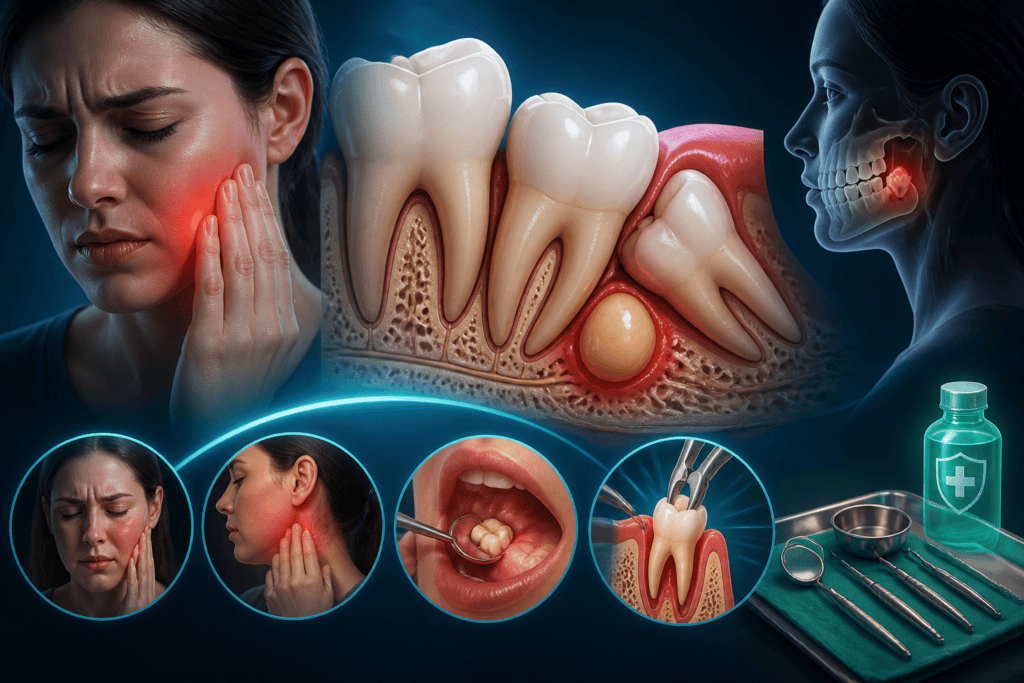
So, wisdom tooth abscesses. They can be quite the nuisance, can’t they? Painful, potentially serious—these are not something we want our patients suffering through longer than necessary. Here’s the thing: understanding what we’re dealing with, from symptoms to what screams “emergency,” is key to helping our patients manage this condition effectively. Let’s break it down over our coffee break, shall we?
Getting to Know Wisdom Tooth Abscesses
Now, wisdom teeth—those lovely third molars—usually make their grand entrance during late teen years or early adulthood. Given their tricky position way back there, they invite their fair share of problems, abscesses included. You know an abscess is essentially a pus pocket triggered by bacterial infection. With wisdom teeth, infections often stem from food particles, plaque, or debris that gets snug around the tooth.
Clinically, these abscesses present with localized infection, noticeable swelling, pain, and sometimes even a fever. Honestly, things can get out of hand fast, so timely diagnosis and intervention are crucial. We need to grasp what causes and spells out these abscesses to get ahead with treatment and prevention.
What Triggers Wisdom Tooth Abscesses?
Here’s what typically sets the stage for a wisdom tooth abscess:
- Impacted Teeth: A tooth that doesn’t fully erupt can form ideal bacterial havens.
- Poor Oral Hygiene: Missed spots during brushing lead to plaque buildup, which invites bacteria.
- Gum Disease: Pre-existing gum issues can ramp up infection chances.
- Dental Decay: Cavities in wisdom teeth turn into bacterial breeding grounds.
Spotting Symptoms of a Wisdom Tooth Abscess
Keeping an eye out for early symptoms means fewer complications down the line. What should we be on the lookout for?
- Severe Toothache: A throbbing pain that just doesn’t quit around the affected tooth.
- Swelling: Any swelling in the gums or face near the troubled spot.
- Redness: Red and inflamed gums surrounding the tooth.
- Fever: A fever could be your body screaming “systemic infection.”
- Bad Breath or Taste: A foul smell or taste owing to pus leakage.
Urgent Signs: When to Call for Backup
Sure, some symptoms can be dealt with at your regular dental check-up, but others? They’re rolling out the red carpet for an emergency visit. Tell me, have you seen these signals?
- Difficulty Breathing or Swallowing: This might mean the infection’s spreading towards the throat.
- High Fever: A persistent fever that says the infection’s not just hanging around locally.
- Severe Swelling: Especially if it’s distorting facial features or affects the eyes.
- Severe Pain Ignored by Meds: Could be an infection that’s ramping up quickly.
These could suggest the infection has taken a detour into neighboring areas, potentially leading to issues like Ludwig’s angina or sepsis. Urgent care is the way here.
Treatment Paths for Wisdom Tooth Abscesses
Now, what do we do about it? Tackling an abscess means clearing the infection and dealing with the root cause (pun intended). Here’s our playbook:
Antibiotic Strategy
Antibiotics—often our go-to shield against infection. Doctors might prescribe amoxicillin, metronidazole, or clindamycin, adjusting based on medical history or allergies.
Dental Interventions
- Drainage: Dentists might drain the abscess to let out the pus and ease pressure.
- Root Canal Therapy: If saving the tooth’s an option, a root canal can deal with the infected tissue.
- Extraction: If the tooth’s a goner, removal stops future infections.
Home Care and Pain Relief
Patients can also pitch in with a bit of home care:
- Warm Saltwater Rinses: Good for easing pain and inflammation.
- Over-the-counter Pain Relievers: Ibuprofen or acetaminophen can help manage discomfort.
- Cold Compresses: Great for bringing down the swelling.
Staying Ahead: Prevention and Long-term Management
Prevention’s our best friend here. Encourage patients to practice spotless oral hygiene and make those dental visits a regular thing. They should be reminded about diligent brushing and flossing around those hard-to-reach wisdom teeth. Sometimes, a prophylactic tooth extraction is the way to avoid recurring issues.
Especially for those who seem to have a revolving door of dental problems, early removal could be their ticket to fewer headaches (and aches elsewhere).
Symptoms vs. Emergency: A Quick Comparison
| Symptoms | Emergency Signs |
|---|---|
| Severe Toothache | Difficulty Breathing/Swallowing |
| Swelling | High Fever |
| Redness | Severe Swelling |
| Bad Breath/Taste | Severe Pain Unalleviated by Medication |
Wrapping Up
Honestly, while wisdom tooth abscesses are fairly common, without prompt treatment, they can snowball into serious health issues. Our job as healthcare providers is to step up and guide patients through identifying, managing, and understanding these dental dilemmas. By blending our clinical know-how with a focus on patient education and prevention, we can really cut down on these emergencies.
Frequently Asked Questions
- What are the main symptoms of a wisdom tooth abscess? Look out for severe toothache, swelling, redness, fever, and bad breath or taste.
- When should I seek emergency care for a wisdom tooth abscess? If you experience difficulty breathing or swallowing, high fever, severe swelling, or pain unresponsive to medication, it’s emergency time.
- How is a wisdom tooth abscess treated? Treatment could involve antibiotics, drainage, root canal therapy, or tooth extraction, coupled with home remedies for pain relief.
- Can wisdom tooth abscesses be prevented? Absolutely, through good oral hygiene, regular dental check-ups, and possibly proactive wisdom tooth removal.
Disclaimer: This content is published strictly for educational and general informational purposes. It does not constitute professional medical, legal, financial, or technical advice. Always consult a certified specialist or licensed professional regarding your specific situation before making decisions.