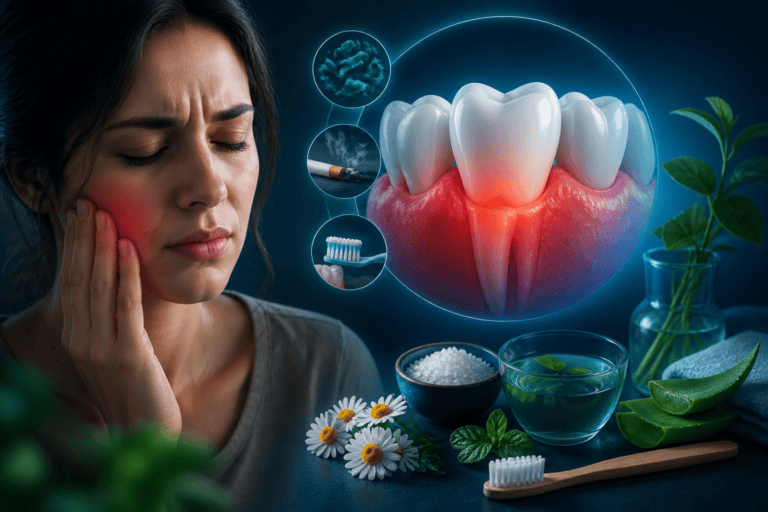
Can Tooth Pain Just Disappear? Why You Shouldn’t Ignore It
At some point in life, almost everyone grapples with tooth pain. It’s tempting to brush it off, especially when it’s just a nagging, on-and-off discomfort. But understanding what’s behind that pain and what might happen if you don’t address it is important for everyone, from your average Joe to healthcare pros. Dive in with us as we explore why dismissing that toothache isn’t the best idea, exploring potential causes, risks, and why timely action is crucial.
Getting to the Root of Tooth Pain
Tooth pain, or odontalgia if you want to get all technical, can spring from a variety of reasons. It’s usually waving a red flag about some hidden problem in your mouth. It can be as subtle as a dull throb or as intense as a sharp sting. This complexity is largely due to the complicated anatomy of our teeth and the stuff around them.
Our teeth are built in layers: enamel, dentin, and good ol’ pulp. The pulp’s right in the center and it’s got nerves and blood vessels. If it gets inflamed or irritated – thanks to a cavity, a knock, or an infection – you’ll feel it. Of course, pain might also come from gum tissues or could even be referred from other parts of the body.
What’s Behind That Toothache?
To get the right diagnosis and treatment, you’ve got to know what’s causing the pain. Here are some usual suspects:
- Cavities: These lovely little holes are caused by bacteria munching on your teeth. Leave ’em be, and they might lead to pulpitis and nasty abscesses.
- Gum Problems: Conditions like gingivitis and periodontitis can inflame your gums and their support crew, causing pain.
- Abscesses: These infections not only hurt like the dickens but can also bring on swelling and fever. Timely dental help is a must here.
- Cracked Teeth: A crack in your tooth can expose the pulp, leading to some serious ouch.
- Grinding (Bruxism): Constantly grinding or clenching can lead to tenderness and pain over time.
The Dangers of Ignoring Tooth Pain
Turning a blind eye to tooth pain isn’t a smart move. Here’s why:
- Worsening Conditions: Things like cavities and gum issues can worsen, meaning more damage and potentially more invasive treatments like root canals.
- Systemic Trouble: Oral infections can spread, leading to bigger problems like endocarditis, particularly in those already at risk.
- Chronic Pain: Ongoing tooth pain can spiral into chronic issues, impacting your quality of life and mental health.
Real-Life Insights and Research Backing
Studies consistently show that jumping on dental issues quickly can stop them from snowballing. For instance, the Journal of Dental Research notes that early treatment of cavities keeps more serious dental nightmares at bay. Moreover, the British Dental Journal warns that ignoring oral infections can lead to some pretty hefty health problems.
Action Steps for Healthcare Providers
Healthcare providers, a good grasp of toothache nuances can improve patient care. Here’s how to go about it:
- Evaluate Pain Details: Pinpoint the nature, length, and triggers of the pain for accurate diagnosis.
- Advocate Regular Check-Ups: Encourage patients to keep up with regular dentist visits, even when they’re feeling fine.
- Prioritize Prevention: Educate on oral hygiene and the necessity of addressing small dental hiccups ASAP.
Choosing Your Path: Ignore or Address?
| Aspect | Ignoring Tooth Pain | Addressing Tooth Pain |
|---|---|---|
| Progression | Things can go south fast | Catch it early, fix it early |
| Health Impact | Risk of it spreading to other parts | Keep things contained |
| Cost | Big bills due to major treatments | Lower costs with regular care |
| Quality of Life | Chronic discomfort is no fun | Smile without worry |
Wrapping It Up
Treating tooth pain as a minor bother is a big mistake. It’s often a sign that something needs checking out by a pro. Healthcare providers play a key role in shedding light on the risks of ignoring this pain, emphasizing the need for teaching patients about the importance of early intervention. Easy to remember: Spot it soon, fix it fast, and hold onto those dental appointments.
Frequently Asked Questions
- Can tooth pain just vanish on its own? Sometimes, mild pain eases up for a bit, but it’s usually pointing to something that needs attention.
- What if I ignore tooth pain? You’re looking at possible worsening conditions, broader health issues, and a spike in treatment expenses.
- What’s the plan if I feel tooth pain? Don’t delay—book a dental visit to get to the root of the problem.
- How do I fend off tooth pain? Regular check-ups, stellar oral care, and tackling dental issues pronto are your best bets.
Disclaimer: This content is published strictly for educational and general informational purposes. It does not constitute professional medical, legal, financial, or technical advice. Always consult a certified specialist or licensed professional regarding your specific situation before making decisions.