Traditional Metal Braces: What They’re For, How Much They Cost, and If They Work
In the world of straightening teeth, traditional metal braces have been around for what feels like forever, but that’s because they work! Even with flashy new options popping up all the time, these tried-and-true braces keep proving their worth. Let’s chat about what makes metal braces tick, like their uses, cost, time commitment, and effectiveness. Whether you’re a healthcare pro, part of a billing team, or just curious, here’s the scoop.
For a closer look, see our guide to Metal Dental Braces: How They Work, Costs, Benefits, and Care guide.
Why Traditional Metal Braces Are Still the Go-To
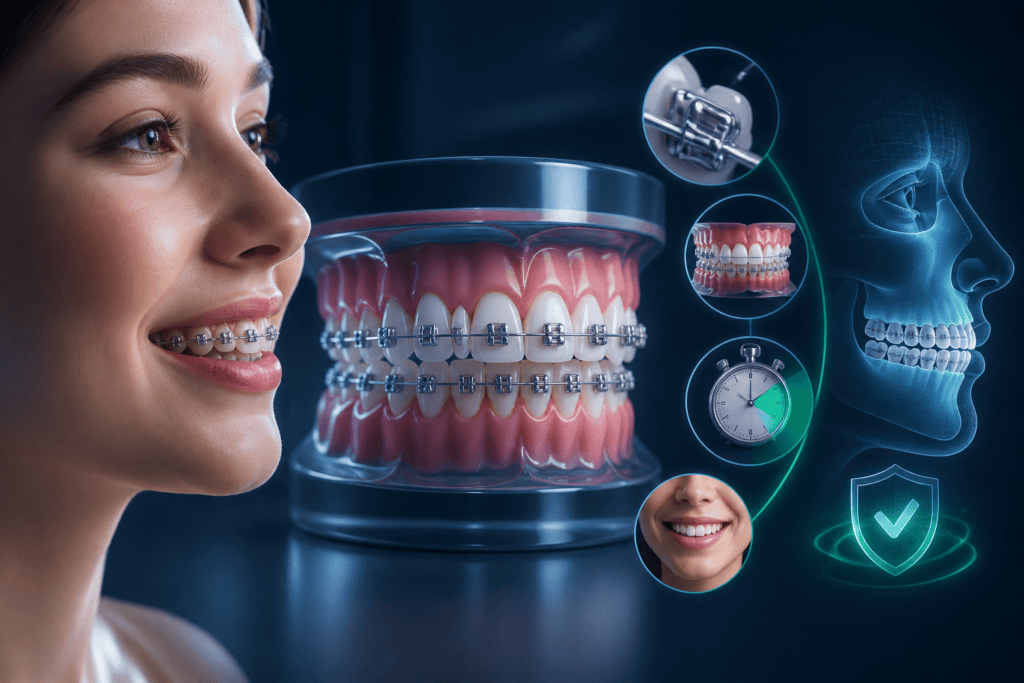
Metal braces are like the reliable old car that just keeps going. They’re used to tackle all sorts of dental issues: crooked teeth, overcrowding, those pesky gaps, and wonky bites. Basically, they’re metal brackets glued onto your teeth, with wires that gently nudge your teeth into place. The American Association of Orthodontists says they’re game for all ages, though teenagers seem to be the prime candidates.
One big plus? They’re tough. Made from durable stainless steel, these braces can handle whatever you throw their way, making them perfect for tricky dental puzzles.
What’s the Damage? (Talking Costs)
So, let’s talk money. The cost for these metal marvels can swing quite a bit. You’re looking at anywhere from $3,000 to $7,000, depending on where you live, how complicated your smile is, and how long you’ll be wearing them. Insurance might chip in, especially if you’re younger, but it’s a good idea to double-check with your plan. No surprises there, right?
Don’t forget those extra expenses: initial check-ups, routine visits, and maybe a retainer once you’re brace-free. For clinics and billing squads, mastering the art of coding orthodontic coverage means smoother sailing for everyone involved.
The Timeline: Patience Wins the Race
Getting that perfect smile isn’t an overnight affair. You’re in it for the long haul—think 12 to 36 months. Treatment length really depends on what’s going on in your mouth. Regular tune-ups are key, usually every 4 to 8 weeks.
Sure, it can seem like a long stretch. But stick with the plan and your orthodontist’s advice, keep those pearly whites clean, and you’ll likely reap solid results. Nobody wants to add more time, so let’s keep complications at bay!
Do They Really Work? Absolutely.
Science backs up the clout of metal braces. Loads of studies, like those in the Journal of Orthodontics, say they’re especially efficient for tough cases that need major tooth shifts. Their precision is hard to beat, compared to some removable aligners.
Since they’re fixed in your mouth, these braces are always at work—a serious advantage for stable and predictable results. For orthodontists, that long-standing success makes recommendations a no-brainer when it comes to dependable solutions.
| Aspect | Traditional Metal Braces | Modern Alternatives (e.g., Clear Aligners) |
|---|---|---|
| Material | Stainless Steel | Plastic/Polyurethane |
| Cost Range | $3,000 – $7,000 | $4,000 – $8,000 |
| Average Duration | 12 – 36 months | 6 – 18 months |
| Effectiveness | High for complex cases | Moderate for mild cases |
| Insurance Coverage | Often covered | Variable |
Helping Patients Navigate the Journey
Embarking on the braces adventure takes dedication, not just from patients, but from their dental teams too. Professionals are there to help folks stay informed and upbeat, from managing those tricky discomforts after adjustments to avoiding foods that could mess with the braces.
As you consider your orthodontic options, you might also want to explore the Potential Drawbacks of Dental Implants: Risks, Costs, and Alternatives guide for a broader perspective.
Billing teams, by the way, can really lighten the load by being upfront about costs and potential coverage. Flexible payment options don’t hurt the patient experience either.
In a Nutshell: The Trusty Choice
When it comes down to it, traditional metal braces are like the classic little black dress of orthodontics—reliable, effective, and forever in style. Sure, newer options are out there and can be more discreet, but metal braces are in a league of their own for tackling tough cases. For healthcare professionals, these braces are a staple for a reason, helping patients achieve their grin goals with tried-and-true techniques.
Your Metal Braces Questions, Answered
- How long do traditional metal braces take to work? Typically, it’s a 12 to 36-month gig, depending on the complexity.
- Are traditional metal braces covered by insurance? Often, yes—especially for the young crowd. Double-check your specific policy first.
- What are the primary benefits of metal braces? Incredible durability, they handle tough cases well, and provide precise control over tooth movement.
- Can adults benefit from traditional metal braces? Absolutely, adults with significant orthodontic needs are still great candidates.
Disclaimer: This content is published strictly for educational and general informational purposes. It does not constitute professional medical, legal, financial, or technical advice. Always consult a certified specialist or licensed professional regarding your specific situation before making decisions.