Pale Gums Around Teeth: Causes, Anemia Links, and When to See a Doctor
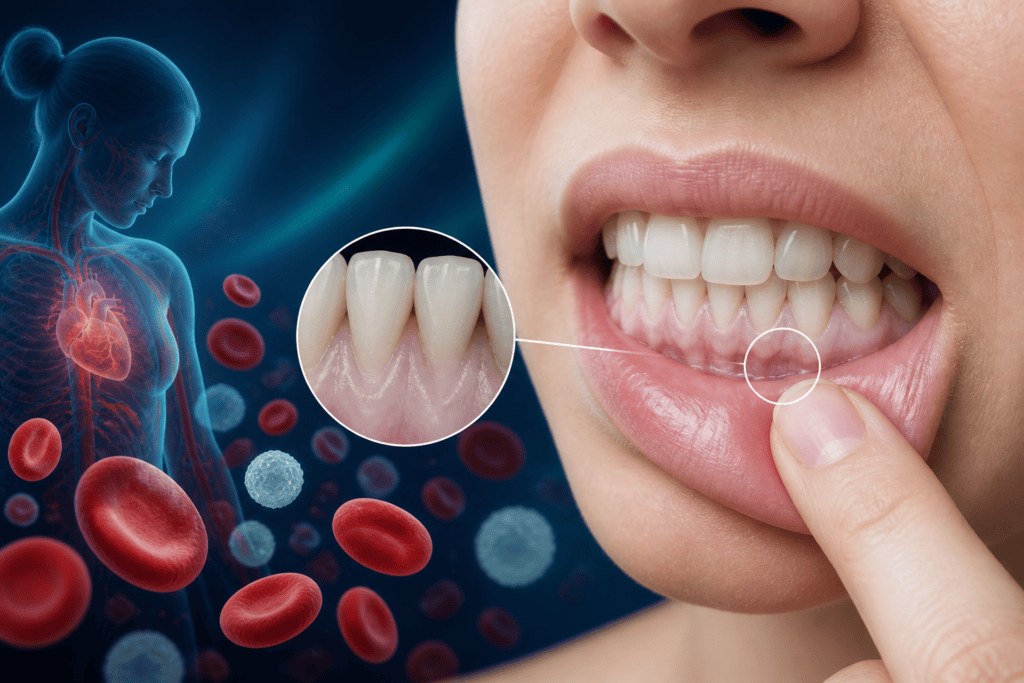
If you’ve noticed pale gums around your teeth, it’s understandable to be concerned. While it might seem like a small issue, pale gums can sometimes point to health problems, such as anemia. Let’s dig into what might cause pale gums, how they’re connected to anemia, and when it might be time to visit a doctor.
Understanding the Causes of Pale Gums
Pale gums can happen for different reasons. Some are harmless, while others are more serious. Figuring out the cause is important for proper treatment. Here are some common reasons for pale gums:
- Anemia, which leads to fewer red blood cells
- Poor oral hygiene habits
- Deficiency in Vitamin B12 or iron
- Conditions like leukoplakia or oral lichenoid reactions
- Inflammation or infection in gum tissue
Anemia and Its Connection to Pale Gums
Anemia is when your body doesn’t have enough healthy red blood cells. This lack can make your gums look pale because there’s not enough hemoglobin. Hemoglobin is a protein in the blood that carries oxygen. Anemia often makes you feel tired, short of breath, and can give you pale skin, including your gums.
To find out if someone has anemia, doctors usually do a complete blood count (CBC) test. The CPT code 85027 is used for billing this test. Other tests, like checking ferritin or vitamin B12 levels, help pinpoint the type of anemia.
When to See a Doctor for Pale Gums
If your gums look pale and you’re not sure why, it’s a good idea to get checked out. There are specific signs that mean you should see a doctor:
- Paleness that doesn’t go away
- Gums that bleed or are swollen
- Feeling unusually tired or weak
- Having trouble breathing or feeling dizzy
- Rapid heartbeat or chest pain
If it’s needed, a doctor might send you to a specialist. Dentists, blood specialists (hematologists), and regular doctors often work together to make sure you get the best care.
Comparative Analysis of Diagnostic and Billing Codes
Using the right codes is important for both diagnosis and getting reimbursed correctly. Here’s a table that compares some CPT and HCPCS codes related to pale gums:
| Condition | CPT/HCPCS Code | Test/Procedure |
|---|---|---|
| Anemia | 85027 | Complete Blood Count (CBC) |
| Vitamin B12 Deficiency | 82607 | Vitamin B12 Test |
| Iron Deficiency | 82728 | Ferritin Test |
| Oral Lesions | 40808 | Biopsy of Oral Tissue |
Compliance and Documentation Best Practices
Following rules for documentation and compliance is key. Here are some best practices to ensure accuracy:
- Check patient identity and medical history
- Record all clinical findings thoroughly
- Double-check coding against current standards
- Keep patient records up to date
- Educate staff on any coding changes
Good documentation lowers the chance of claim denial and helps with reimbursement. Dr. Amanda Green, who specializes in healthcare compliance, puts it well: “Consistent documentation practices are the backbone of effective patient care and revenue management.”
Integrating Patient Education into Practice
Teaching patients about their oral health and any broader health connections is really important. Here’s what providers should focus on:
- The value of regular dental check-ups
- Eating a balanced diet with plenty of iron and vitamins
- Proper techniques for oral hygiene
- Recognizing signs of anemia and other systemic conditions
- Providing resources for further medical evaluation
When patients understand their health better, they can take charge and spot potential issues early on.
Trending FAQs on Pale Gums
- What causes pale gums? Anemia, poor hygiene, and a lack of certain vitamins can all cause this.
- Are pale gums a sign of anemia? They can be. Anemia often leads to pale gums.
- Should I see a doctor for pale gums? Definitely, especially if there are other symptoms too.
- Can diet affect gum color? Yes, not getting enough nutrients can make gums pale.
- What tests diagnose anemia? CBC, ferritin, and vitamin B12 tests are common.
Disclaimer: This content is published strictly for educational and general informational purposes. It does not constitute professional medical, legal, financial, or technical advice. Always consult a certified specialist or licensed professional regarding your specific situation before making decisions.