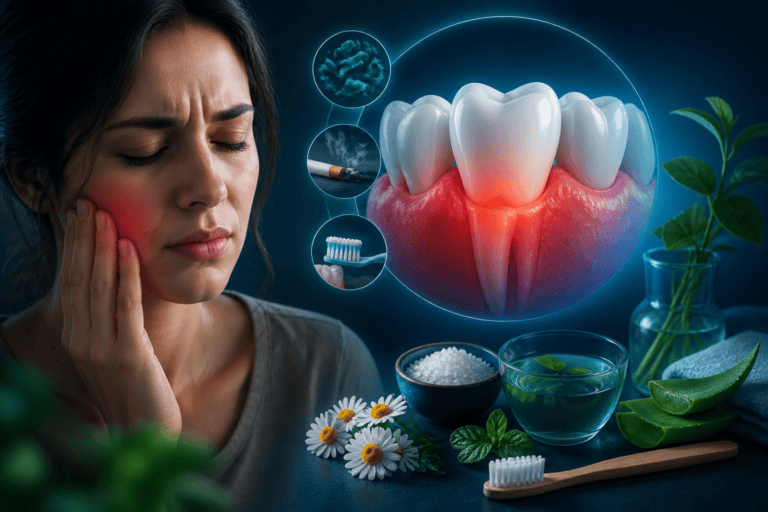
So, we’re talking about root canals here—a dental procedure that’s pretty common but often gets a bad rap because, let’s face it, who isn’t a little uneasy about dental work? Understanding what happens before, during, and after can ease some of those concerns. Let’s explore whether a root canal actually hurts. This is based on solid research, real patient stories, and practical wisdom for us in healthcare operations.
Getting to the Heart of It
The big question on everyone’s mind: “Does a root canal hurt?” Now, root canals are done when the pulp in a tooth gets infected or inflamed, which is definitely painful. The procedure’s goal is to remove that infected pulp, clean things up, and seal the tooth to stop any more trouble. While the end game is to ease pain, the process itself is what worries patients.
Diving into Research and Rules
Here’s the thing—research shows us that the hurt people often associate with root canals has more to do with the infection rather than the procedure. The American Association of Endodontists says that thanks to modern techniques and anesthetics, a root canal isn’t usually more uncomfortable than a standard filling. According to them, most folks feel pretty okay during the procedure.
The FDA and other regulatory bodies ensure the safety and effectiveness of anesthetics, which cuts down discomfort. But let’s not forget—everyone’s experience of pain is unique, influenced by personal pain thresholds and anxiety (which can be quite the influencer).
| Question | Evidence / Guidance | Practical Meaning | Source |
|---|---|---|---|
| Does a root canal hurt? | With modern anesthetics, pain is minimal during the procedure. | Expect discomfort similar to a filling. | American Association of Endodontists |
| Is post-procedure pain common? | Mild to moderate discomfort post-procedure is typical. | Manageable with OTC pain relief. | NIH |
| Are there complications? | Complications are rare with proper technique. | Follow-up is crucial for success. | FDA |
The Tricky Part in Practice
In practice, how a root canal feels can be influenced by a few factors. Pain tolerance varies greatly—some of us have lower thresholds, making even small discomfort more noticeable. Anxiety over dental visits can amplify the sensation of pain, too.
Operationally, not all dental practices are created equal. The dentist’s skill level and the tech they use can affect how long it takes and how comfortable it is. Instruments that are more advanced often mean a smoother ride for the patient.
Afterwards, what happens can differ as well. Things like swelling or sensitivity post-procedure really depend on how bad the infection was to start with and how your body heals naturally. Usually, over-the-counter pain meds and good oral care do the trick.
Bringing It All Together
For us healthcare folks, tuning into what patients experience during and after a root canal is key. We should be upfront with them about what to expect and tackle any worries head-on. Explaining how anesthetics work and what the procedure involves can help calm those pre-procedure jitters.
For coders and billing teams, knowing the ins and outs of root canal coding is crucial. Proper documentation and precise coding ensure everything is billed right and that insurance claims sail through smoothly. The American Dental Association points out that the CPT code varies by the specific tooth treated, so nailing these details can save a lot of headaches.
For anyone facing a root canal, picking a skilled endodontist with a good reputation is where to start. Reading reviews and asking the right questions during consultations can really help in deciding on the right professional.
Takeaways That Matter
- Root canals aim to ease pain from tooth infections, not cause it.
- Modern anesthetics make the procedure about as painless as getting a filling.
- Post-procedure discomfort is normal but can be handled with simple pain relief.
- Choosing an experienced dentist and knowing what to expect can ease nerves and improve outcomes.
Disclaimer: This content is published strictly for educational and general informational purposes. It does not constitute professional medical, legal, financial, or technical advice. Always consult a certified specialist or licensed professional regarding your specific situation before making decisions.