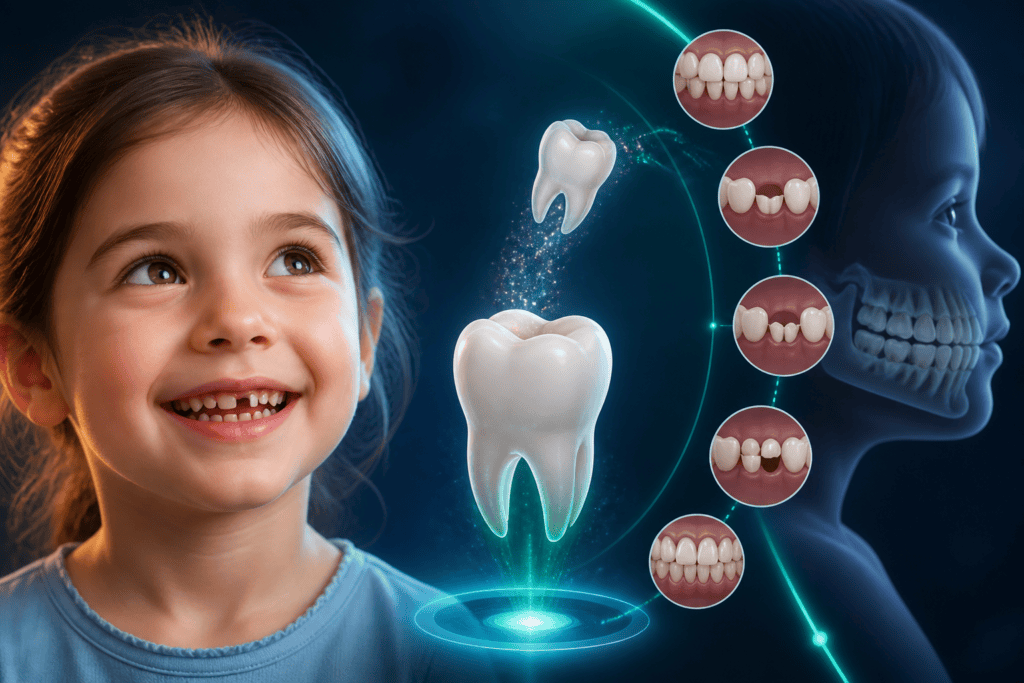
Let’s chat about something we all need to be familiar with: the timeline and process of childhood tooth loss. Whether you’re in healthcare, dentistry, or even parenting, the question often pops up: “Do primary molar teeth fall out?” They do, but honestly, the journey is not identical for every child. Let’s break down the timeline of primary molar tooth loss and what happens physiologically as these little troopers say goodbye.
If you want more detail, read our article on Lipo-Mino Injections: Ingredients, Weight Loss Claims, and Safety guide.
What Exactly Are Primary Molar Teeth?
We hear “primary molar teeth” or “baby molars” quite often, but what are they? They’re part of a child’s first set of teeth, crucial for chewing and speaking well. Typically, we’ve got four in the upper jaw and four in the lower—making a total of eight. (They’re like placeholders, keeping space in the jaw for those permanent teeth that come later on.)
Primary Tooth Loss: A Timeline
Here’s the thing: tooth loss, known as exfoliation, kicks off around age six, but kids are all over the map on when exactly this starts. Here’s a rough timeline:
- Central Incisors: Usually the first ones out, from 6-7 years.
- Lateral Incisors: Follow up at 7-8 years.
- First Molars: Say goodbye between ages 9-11.
- Canines: Typically drop between 9-12 years.
- Second Molars: The last to go, between 10-12 years.
These primary molars make way for permanent premolars and molars, key to a healthier adult smile.
Why Does This Matter for Us Operationally?
Understanding tooth loss isn’t just data—it’s a cornerstone of pediatric dental care. We’ve got to monitor dental health, plan preventive care, and foresee orthodontic needs. For billing and coding professionals, knowing this timeline is critical. Accurate coding and billing for procedures related to tooth loss hinge on this knowledge.
Avoid These Common Mistakes
Despite tooth loss being natural, there are pitfalls we can stumble into:
- Overlooking Delayed Exfoliation: If teeth aren’t lost on time, we might have underlying issues—like ankylosed teeth—worth checking into.
- Skipping Oral Hygiene: Don’t assume primary teeth need no care. Decay can impact those oncoming permanent teeth.
- Missing Dental Appointments: Regular check-ups are a non-negotiable for tracking both primary and permanent teeth development.
Documentation and Compliance Considerations
Documenting a child’s dental journey isn’t just paperwork. It’s vital. Keeping meticulous records of when teeth are lost (and any anomalies) supports both clinical and billing accuracy and keeps us compliant with healthcare regulations.
Let’s Compare: Primary vs. Permanent Tooth Loss
| Aspect | Primary Tooth Loss | Permanent Tooth Loss |
|---|---|---|
| Timing | 6-12 years | Adulthood |
| Purpose | Makes way for permanent teeth | Usually due to decay, trauma, or aging |
| Replacement | Replaced by permanent teeth | May need dental prosthetics |
Understanding Workflow for Managing Tooth Loss
Getting the workflow right in managing tooth loss can make all the difference for patient care and operational efficiency:
- Initial Assessment: Start with a thorough dental exam to set a baseline for the child’s dental health.
- Regular Monitoring: Keep those dental visits coming to track tooth loss and permanent tooth eruption.
- Patient Education: Teach parents and children about oral hygiene importance and the natural process of tooth loss.
- Documentation: Keep detailed records—your allies in tracking changes and supporting billing.
- Intervention Planning: Be ready to act—whether it’s removing ankylosed teeth or early orthodontic consults for misalignment suspicions.
Key Highlights to Remember
Wrapping it up, understanding and managing primary molar tooth loss is crucial in pediatric dental care. Recognizing the timeline, sidestepping common mistakes, and keeping documentation thorough are all part of our roadmap. Proactive management through regular check-ups and education can really shape a child’s oral health future positively.
FAQs
- Do all children lose their primary molars at the same age?
No, while there’s a typical age range, variations happen due to genetics and other factors.
You may also find our guide to Breast and Nipple Proportions: Normal Anatomy and Variations overview helpful.
- What if a primary molar doesn’t fall out on time?
Check with a dentist for issues like ankylosed teeth.
- How can parents maintain oral health during tooth loss?
Keep up with good oral hygiene and regular dental check-ups.
- Are there complications with early tooth loss?
Yes, it can misalign permanent teeth, potentially needing orthodontic intervention.
- How critical is it to keep dental records during childhood?
Very. They’re key for tracking development and planning interventions.
Disclaimer: This content is published strictly for educational and general informational purposes. It does not constitute professional medical, legal, financial, or technical advice. Always consult a certified specialist or licensed professional regarding your specific situation before making decisions.