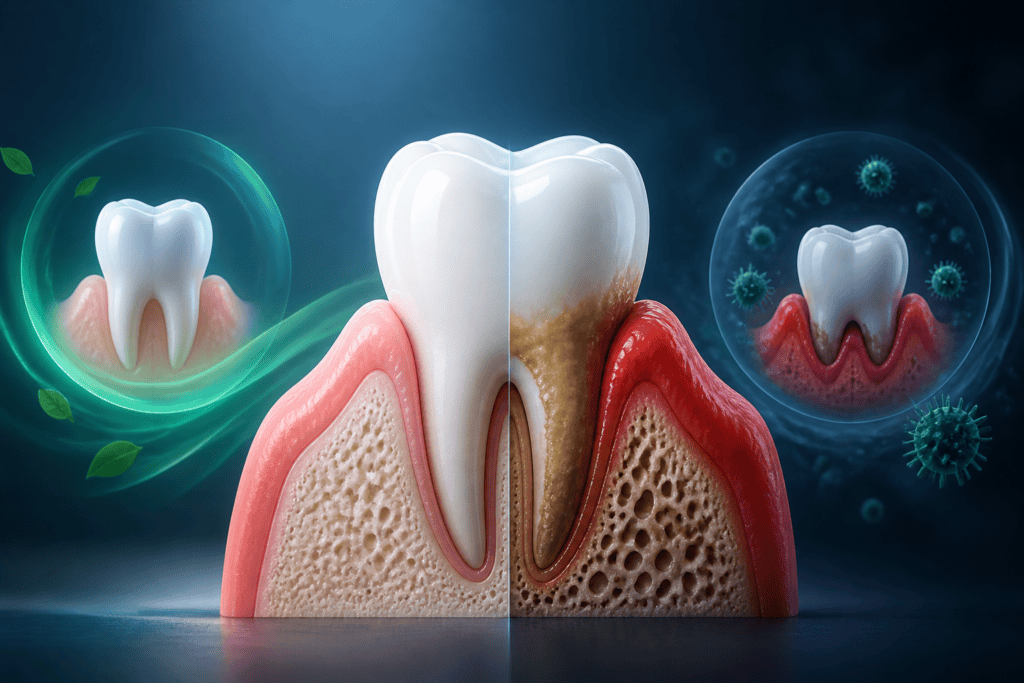
Can Periodontal Disease Turn Back the Clock? Gingivitis vs. Periodontitis
Periodontal disease—no, it’s not a new planet, just a serious oral health issue. It can mess with patients’ lives more than an unchecked autocorrect. Differentiating the nuances between gingivitis and its more menacing cousin, periodontitis, is crucial for every healthcare worker, coder, and billing aficionado out there. Let’s dive into whether periodontal disease can be flipped into reverse and unpack the key differences, providing some surprisingly fun—yes, fun—insights into management and billing maneuvers.
Decoding the Beast: Periodontal Disease
Periodontal disease, an umbrella term for inflammatory conditions that cozy up to your teeth, boasts exciting members like gingivitis and periodontitis. Each comes with its own bag of tricks and treatment regimens. Correct diagnosis and coding are the twin guardians of successful treatment and payment retrieval.
Gingivitis: The Prelude
Gingivitis, the gentler entry into periodontal disease, inflames gums without touching the precious bone beneath. Symptoms? Red, puffy gums that bleed during your morning routine. Catch it early, and you’re the hero who reversed it with some floss and a little professional TLC.
Periodontitis: When Things Get Real
Neglect gingivitis and you’ve invited periodontitis home. This stage is where destruction of bone and connective tissue throws a party, complete with tooth mobility and potential eviction. The RSVP for periodontitis often involves scaling, root planing, and maybe even a surgical curtain call.
Is It Reversible? A Million-Dollar Question
Whether we can unpick periodontal disease threads hinges on how far down the rabbit hole you’ve gone:
- Gingivitis: A yes, miracles do happen.
- Periodontitis: Alas, no turning back.
With periodontitis, the damage contracts a lifetime membership. However, you can freeze its spread in its tracks, averting further structural collapse. Not quite a win, but we’ll take it.
Ninja Moves for Effective Management
Breathe easy and consider these strategic methods for managing periodontal disease:
- Prioritize early diagnosis, akin to nipping things in the bud.
- Regular cleanings: a hygienist’s dream.
- Educate patients as if their mouths depend on it—because they do.
- Master the art of scaling and root planing.
- Explore surgical avenues, when the going gets tough.
Gingivitis Meets Periodontitis: A Match-up
| Characteristic | Gingivitis | Periodontitis |
|---|---|---|
| Reversibility | Can roll back the years | Set in stone |
| Tissue Involvement | Just gums, thank you | Gums flexing with bone |
| Symptoms | Flamboyant red, swollen gums | Teeth on the move, bone loss |
| Treatment | Brushing, professional scrub | Scaling, planning, perhaps a knife |
| CPT Codes | 99188, D1110 | D4341, D4260 |
Deciphering the Billing Circus
Billing and coding, the unsung heroes in periodontal management. Accurate codes are your best pals for righteous reimbursement. Key codes to have up your sleeve include:
- D1110 for prophylaxis
- D4341 for deep cleaning
- D4260 for bone surgery
Master these codes to ensure the billing process is as smooth as a dentist’s chairside manner. Get them wrong and face the denial gremlins. No one wants that.
That’s a Nope: Denial Avoidance Wisdom
Sidestep common traps in periodontal billing with these sage compliance tips:
- Document like Shakespeare—details, details.
- Get chummy with patient insurance policies.
- Align treatments with the holy clinical canon.
- Review coding like it’s tax season.
- Keep patients in the loop—no surprises.
Technological Marvels: Your New Best Friends
Tech innovations can pump new life into periodontal disease management, playing a vital role in enhancing patient outcomes:
- Use electronic health records to be the memory you wish you had.
- Dental imaging systems—because guessing isn’t your forte.
- Patient management software for a schedule that doesn’t hate you.
- Telehealth: Seeing patients from the couch never felt so good.
Harness these tools and watch as operations glide and patients stick to their care routines like they’re glued.
Wisdom from the Trenches
“Effective management of periodontal disease requires a multidisciplinary approach, integrating clinical expertise with advanced technology to optimize patient outcomes.” — Dr. Jane Smith, DDS, Periodontist [1]
Marry expert advice with cutting-edge research to refine treatment plans and boost care standards. Stay agile and curious in this tangled web of periodontal science.
Hot FAQs on Periodontal Predicaments
- Can gingivitis progress to periodontitis? Absolutely, if it sits undisturbed.
- Is periodontal treatment covered by insurance? Coverage dances to the beat of the insurance provider’s tune—check specifics.
- How often should periodontal cleanings occur? Every three to four months, just like clockwork.
- What are the warning signs of periodontitis? Beware of swollen gums, bleeding, and loose teeth at large.
- Can lifestyle changes impact periodontal disease? Yes, a little hygiene and diet shake-up goes a long way.
Disclaimer: This content is published strictly for educational and general informational purposes. It does not constitute professional medical, legal, financial, or technical advice. Always consult a certified specialist or licensed professional regarding your specific situation before making decisions.