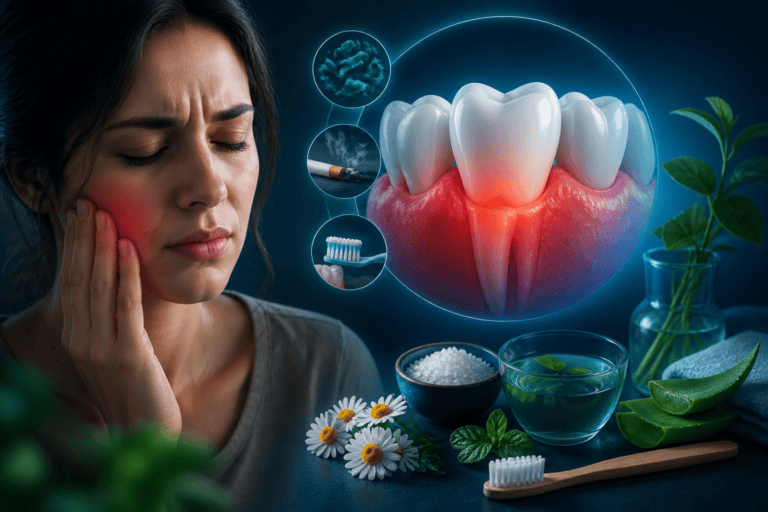
How to Fix a Loose Tooth: Splinting, Deep Cleaning, and Home Care
Having a loose tooth as an adult is less of a delightful surprise and more of a red flag. It’s usually a hint that something’s up with your dental health, and it needs your attention pronto. Whether it’s from chowing down a bit too eagerly, gum disease, or something else entirely, knowing the treatments available is pretty important for everyone involved—from you and your dentist to healthcare folks. So, let’s dive into the nitty-gritty of handling loose teeth with splinting, deep cleaning, and a bit of home care magic.
Understanding the Problem: Causes of Loose Teeth
Why do adults get loose teeth anyway? Well, it can spring from several sneaky culprits like periodontal disease, accidental whacks to the mouth, or even stress from biting too hard. Periodontal disease is a top contender, where inflammation and infection mess with your gums and the structures holding your teeth in place. Did you know the CDC says almost half the adults over 30 show signs of gum disease? Yikes, right? That’s something that can cause teeth to start wobbling if left unchecked.
Evidence and Treatment Options
When it comes to fixing loose teeth, the goal is to tackle the root cause (pun intended). For gum disease, deep cleaning jobs such as scaling and root planing are a must. If you’ve had an accident or bitten down too hard, splinting is your knight in shining armor, offering tooth stabilization. And let’s not forget good ol’ home care! It’s the sidekick to professional treatments—helping keep the bad guys away and stopping them from coming back.
Comparison of Treatment Options
Okay, so how do these treatments stack up? Let’s break it down.
| Option | Advantages | Limitations | Best Use Case |
|---|---|---|---|
| Splinting | Gives immediate stability, promotes healing, isn’t invasive | A bit of a Band-Aid, needs a professional’s touch | For when a tooth’s been traumatized, offering a temporary haven |
| Deep Cleaning (Scaling and Root Planing) | Clears away nasty plaque and tartar, soothes gum inflammation | Can be uncomfortable, not for every stage of gum disease | Perfect for battling periodontal disease and evicting plaque |
| Home Care | Budget-friendly, boosts oral hygiene, preventive by nature | Needs dedication, not mighty against serious issues | Great after professional treatment or for early intervention |
Operational Implications for Healthcare Providers
If you’re a healthcare provider, knowing the ins and outs of these treatments is like having the ultimate toolkit. Splinting shines when speedy stability’s a must, while deep cleaning is the cornerstone of fighting gum disease. Teaching patients the art of home care can really up the game, enhancing results and warding off future troubles.
Common Mistakes to Avoid
- Turning a blind eye to early gum disease signs like bleeding or bad breath—could lead to big problems down the line.
- Putting all your eggs in the home remedy basket without dental advice, which might put necessary treatments on the back burner.
- Skipping those dental appointments, crucial for keeping track and fine-tuning treatment plans.
A Decision Framework for Treating Loose Teeth
- Identify the Cause: Figure out if the tooth’s loose due to gum disease, an injury, or heavy bite forces.
- Assess the Severity: Check how wobbly the tooth is and see if there are any pain or infection symptoms tagging along.
- Select Appropriate Treatment: Go with splinting for instant stability, deep cleaning for gum issues, and throw in some home care for good measure.
- Educate the Patient: Give the lowdown on maintaining squeaky clean oral hygiene and the importance of follow-ups.
- Monitor and Adjust: Keep tabs on how the patient’s doing and tweak the treatment when needed.
Final Recommendation
In the quest to fix a loose tooth, it takes a village—really, a blend of professional care and your own efforts at home. Dental pros should tweak treatment strategies based on what’s causing the wobble and how serious it is. By embracing splinting, deep cleaning, and a bucket-load of patient education, dental teams can help give patients solid results and dodge repeat performances.
Disclaimer: This content is published strictly for educational and general informational purposes. It does not constitute professional medical, legal, financial, or technical advice. Always consult a certified specialist or licensed professional regarding your specific situation before making decisions.