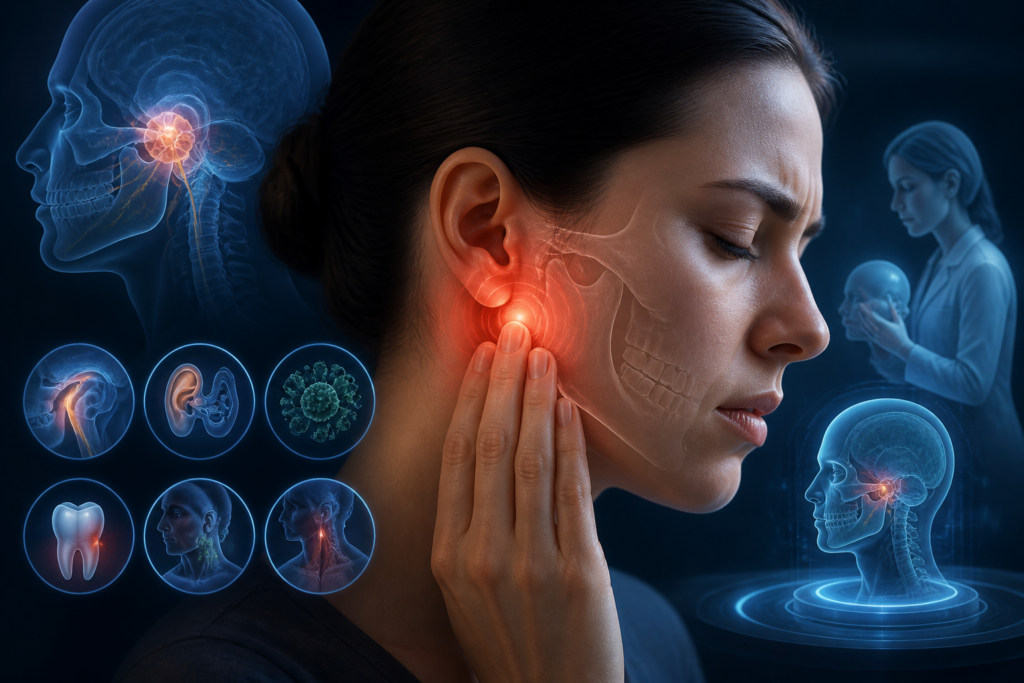
You know, that pain under the ear just behind the right jawbone can really throw both patients and us, as professionals, for a loop. It’s a tricky spot, anatomically rich with nerves, muscles, and other delicate components. So, how do we approach this? Let’s break it down and explore the possible culprits and some operational best practices for getting to the bottom of it.
Understanding the Symptom: Deciphering the Pain
The space right under the ear, tucked behind the jawbone, isn’t straightforward. It’s a hive of activity with muscles, nerves, glands, and vessels all jostling for attention. Pain here can range from annoying to downright severe, and understanding the nuances—how intense it is, how long it’s been going on, what might trigger it—can be our first breadcrumb on the trail to diagnosing the cause. Ever wonder what secrets the pain might hold?
Diving Into Possible Causes
- Temporomandibular Joint Disorder (TMJ): Often acting up with jaw movement, TMJ dysfunction can pinpoint pain right where we’re talking about.
- Ear Infections: Otitis media or externa might radiate pain to the neighboring areas.
- Dental Issues: An impacted wisdom tooth or an abscess might send pain signals shooting into this region.
- Swollen Lymph Nodes: Infections or inflammation might cause nearby lymph nodes to react with pain.
- Parotid Gland Disorders: If there’s an infection or stone in the salivary glands, expect some localized discomfort.
- Neuralgia: Conditions like trigeminal neuralgia may result in sharp, electric shocks of pain.
- Mastoiditis: An infection of the mastoid bone could mean severe pain right behind the ear.
Operational Importance: Why We Need the Right Diagnosis
Getting an accurate diagnosis isn’t just about treating the patient effectively; it’s also about coding correctly, billing accurately, and staying compliant. If we misstep here, we risk not only the treatment plan but also the whole revenue cycle, and let’s face it, that doesn’t do anyone any favors. Accurate assessment is key, don’t you think?
The Diagnostic Dance: How We Zero In
When facing pain behind the right jawbone, there’s a structured approach we tend to follow:
- Diving Into Patient History: We take a good look at the patient’s history to find triggers and associated symptoms.
- Conduct a Physical Examination: A direct look at the ear, jaw, and neck can show signs of infection or tenderness.
- Imaging Studies: X-rays, CTs, or MRIs might be the next step to check for structural issues.
- Laboratory Tests: Bloodwork or cultures could be the ticket if we’re thinking infection or systemic concerns.
- Referral: When things get complex, it’s time to call on the specialists—ENTs, dentists, or neurologists have our backs.
Keeping It All In Check: Documentation and Compliance
Now, a word on documentation. It’s critical. We can’t afford to skimp here. Patient records need to mirror reality—the diagnosis and treatment plan totally transparent. This not only helps with billing but also ensures the patient’s care is seamless and compliant with regulations.
| Documentation Element | Considerations |
|---|---|
| Patient History | Dive into details about when the pain started, how long it’s been there, and what it feels like. |
| Physical Exam Findings | Note any swelling, tenderness, or oddities we spot during our hands-on assessment. |
| Diagnostic Tests | Jot down all imaging or lab results that support our findings. |
| Treatment Plan | We need a clear record of the plan, including prescriptions and follow-ups. |
Putting It All Together: Workflow Recommendations
To effectively manage this pain, we might stick to a workflow that looks something like this:
- Initial Consult: Get to know the patient’s situation with a thorough interview and examination.
- Diagnostic Testing: Order tests based on initial findings to zone in on possible causes.
- Treatment Initiation: Start with the most likely diagnosis and adjust as needed.
- Follow-Up: Monitor how things are going and tweak the plan to improve efficacy.
- Referral: If symptoms persist or tests raise flags, hand things over to the specialists.
Key Takeaways
Handling this particular type of pain is all about a meticulous approach—diagnosis, documentation, treatment, the works. With the potential causes in hand and a structured approach in place, we set ourselves up for success in managing patient outcomes, billing, and regulatory compliance.
Wrapping It Up
This pain, nestled under the ear behind the right jawbone, can stem from a variety of conditions. By employing careful diagnostic techniques and keeping our documentation lighthouse-bright, we can tackle this formidable symptom, enhancing patient care and streamlining our operational processes.
Frequently Asked Questions
- What are the most common causes of pain under the ear behind the jawbone? You’ll often find TMJ disorders, ear infections, dental issues, swollen lymph nodes, and parotid gland disorders at the top of the list.
- How can healthcare providers accurately diagnose the cause of the pain? A blend of thorough patient history, physical examinations, and spot-on diagnostic tests makes all the difference.
- What role does documentation play in managing this condition? It’s our safety net for effective treatment, correct billing, and compliance.
- When should a specialist be consulted? If early treatments don’t work or tests suggest something more involved, it’s time for a specialist.
- How can providers improve patient outcomes? Stick to a structured diagnostic and treatment workflow and nail the documentation.
Disclaimer: This content is published strictly for educational and general informational purposes. It does not constitute professional medical, legal, financial, or technical advice. Always consult a certified specialist or licensed professional regarding your specific situation before making decisions.