Exposed Tooth Nerve and Root: Symptoms, Causes, and Dental Treatments
Having an exposed tooth nerve and root can be very uncomfortable and worrying. It’s important for anyone looking to understand this issue—whether you’re a healthcare provider, a coder, part of a billing team, or just someone curious—to know the symptoms, causes, and treatments. This article will help you navigate the sometimes complex topic of exposed tooth nerves.
Understanding Exposed Tooth Nerve and Root
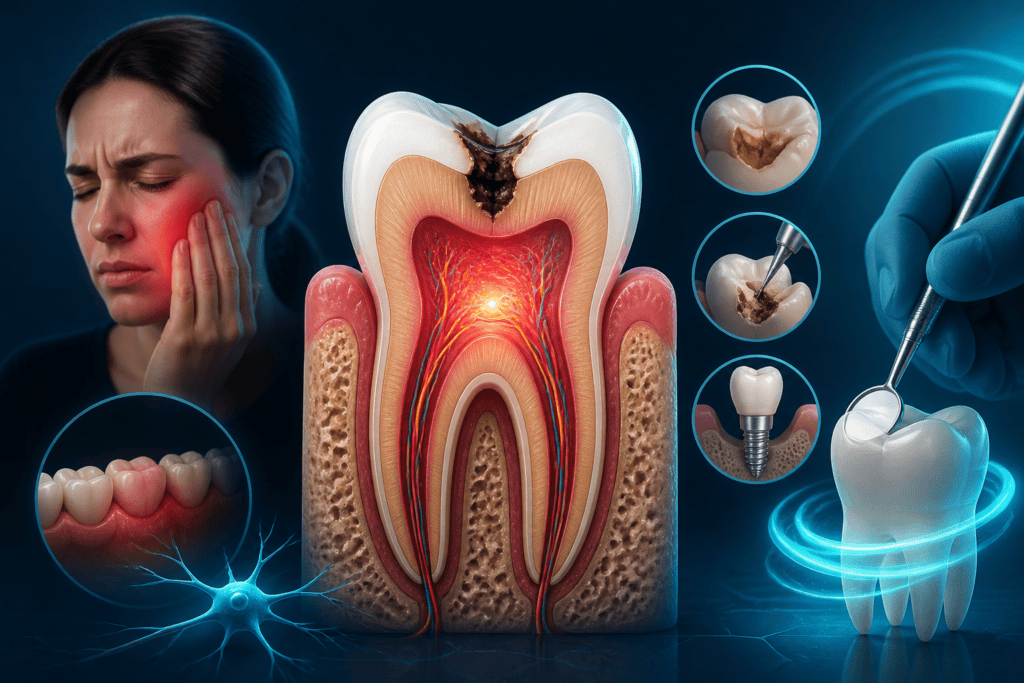
When we say “exposed tooth nerve,” we’re talking about a situation where the protective parts of your tooth, like the enamel and dentin, have been damaged. This damage can make the nerve vulnerable, which might cause sharp pain and sensitivity. Usually, this means you’ll need to see a dentist soon.
Symptoms of an Exposed Tooth Nerve
It’s really important to notice the signs of an exposed tooth nerve early to get it treated quickly. Here are some common symptoms:
- Sharp, sudden pain in the tooth
- Sensitivity to hot or cold foods
- Pain when chewing or biting
- Swelling around the affected tooth
- Visible damage or decay on the tooth
If you notice these symptoms, it’s time to see a dentist. They’ll figure out how serious the damage is and what needs to be done.
Causes of Exposed Tooth Nerve and Root
Knowing what causes an exposed tooth nerve can help prevent it and guide treatment. Here are some usual suspects:
Tooth Decay
Tooth decay is often caused by not keeping teeth clean enough. As it gets worse, it can eat through enamel and dentin, eventually reaching the nerve [1].
Gum Recession
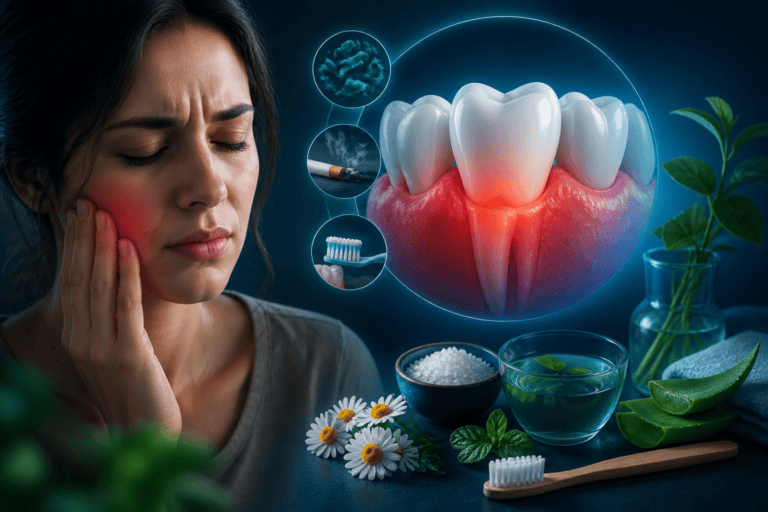
Gums can recede due to gum disease or brushing too hard. When this happens, it exposes the tooth root and can result in pain and sensitivity.
Dental Trauma
Teeth injuries, like cracks or fractures, can expose the nerve. Such injuries might happen due to accidents, sports, or biting something hard.
Dental Treatments for Exposed Tooth Nerve and Root
Treating an exposed tooth nerve depends on what’s causing it and how severe it is. Dentists have a few different ways to help:
Fluoride Treatments
Fluoride is used to make your tooth enamel stronger and protect your nerves. Your dentist might use fluoride varnish or gels to help ease sensitivity and strengthen your enamel.
Dental Bonding
If the problem isn’t too serious, dental bonding can help. This means your dentist applies a resin that looks like your tooth to protect the exposed area and reduce sensitivity.
Root Canal Therapy
If the nerve is badly damaged or infected, a root canal might be needed. In this procedure, the damaged nerve tissue is removed, and the tooth is sealed to stop infection from returning.
Gum Grafts
If gum recession is the issue, a gum graft can help. This surgery involves adding tissue to cover the exposed roots, protecting the nerve and promoting healing.
| Treatment | Purpose | Approximate Cost |
|---|---|---|
| Fluoride Treatments | Strengthen enamel, reduce sensitivity | $20–$50 per application |
| Dental Bonding | Cover exposed areas, reduce sensitivity | $100–$400 per tooth |
| Root Canal Therapy | Remove damaged nerve tissue | $700–$1,500 per tooth |
| Gum Grafts | Cover exposed roots, protect nerve | $600–$1,200 per area |
Coding and Billing for Dental Procedures
Getting the right codes and billing details is crucial for insurance and ensuring patients get the coverage they need. Here are some common codes you should know:
Common Dental Codes
- D1206: Topical application of fluoride varnish
- D2330: Resin-based composite, one surface, anterior
- D3310: Root canal, anterior
- D4270: Pedicle soft tissue graft procedure
These codes help dental offices and insurance companies communicate clearly, so patients receive appropriate coverage.
Preventive Measures for Tooth Nerve Exposure
It’s always better to prevent problems before they start. Here are some ways to help avoid nerve exposure:
- Maintain regular dental check-ups
- Practice good oral hygiene habits
- Use a soft-bristled toothbrush
- Avoid acidic and sugary foods
- Wear protective gear during sports
These steps can help keep your teeth healthy and reduce the risk of nerve exposure.
Conclusion
Dealing with an exposed tooth nerve and root can be complicated, but understanding what causes it, how to recognize it, and how it’s treated can make a big difference. Whether you’re in healthcare or just looking for information, this guide should help you manage or discuss this common dental issue more effectively.
Resources / References
- American Dental Association
- Mayo Clinic: Tooth Decay
- CDC: Adult Oral Health
- National Institute of Dental and Craniofacial Research
- American Academy of Pediatric Dentistry
Frequently Asked Questions
What causes an exposed tooth nerve?
Common causes include tooth decay, gum recession, and dental trauma.
How is an exposed tooth nerve treated?
Treatments include fluoride applications, dental bonding, root canal therapy, and gum grafts.
Can an exposed tooth nerve heal on its own?
No, professional dental treatment is necessary to address the issue.
What are the symptoms of an exposed tooth nerve?
Symptoms include sharp pain, sensitivity, and swelling.
How can I prevent tooth nerve exposure?
Maintain oral hygiene, regular check-ups, and avoid hard or acidic foods.
Disclaimer: This content is published strictly for educational and general informational purposes. It does not constitute professional medical, legal, financial, or technical advice. Always consult a certified specialist or licensed professional regarding your specific situation before making decisions.