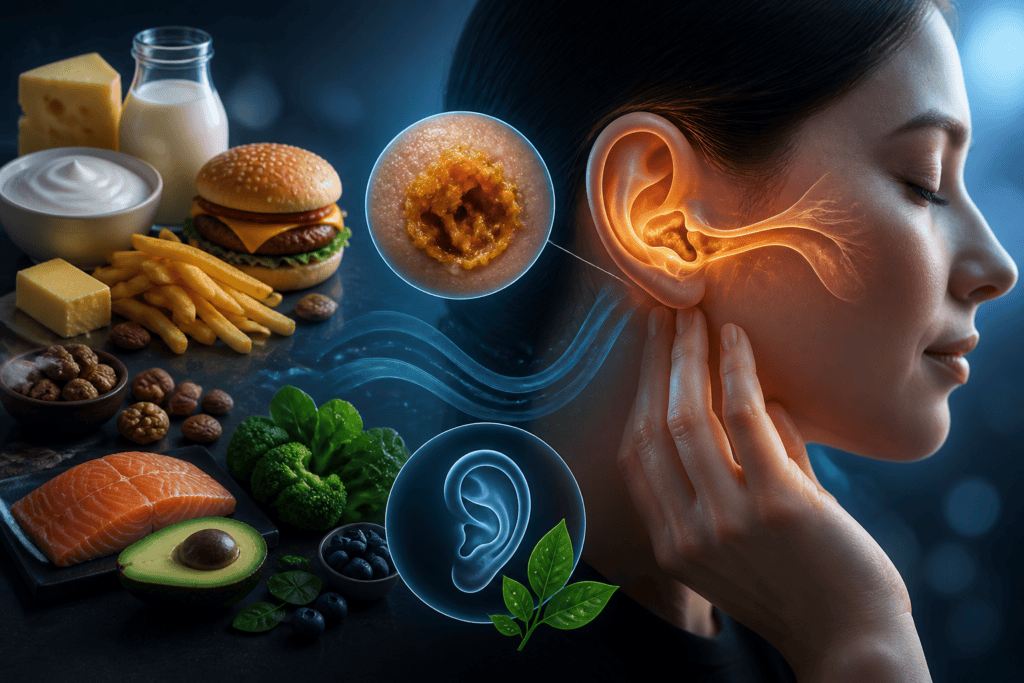
Earwax, or cerumen, is nature’s way of safeguarding your ear canal. It traps dust and helps slow down bacterial growth. But when there’s too much of it, you might face discomfort, hearing issues, or even infections. A question that often pops up is whether what we eat influences earwax production. So, let’s dive into this connection between our diet and earwax, look at potential triggers, and share some handy tips for ear care.
The Core Issue
The idea that what we eat could lead to more earwax is pretty interesting, but it’s not cut and dry. Genetic and environmental factors have more sway over earwax production, with diet being a possible factor, though not proven. The real concern is when earwax piles up too much, blocking things and causing hearing trouble. Getting a handle on how diet might play into this can help doctors give better advice to folks dealing with earwax woes.
What Research and Regulations Actually Say
The scoop on diet’s role in earwax production? Well, research is sparse and not very conclusive. Some studies hint that certain eating habits might tweak the consistency or amount of earwax, but it’s not widely agreed upon. For instance, eating lots of fats or dairy might be linked to more earwax for some people, though hard evidence is thin.
The folks at the American Academy of Otolaryngology haven’t laid down any dietary rules specifically for earwax. They’re more focused on proper ear hygiene and steering clear of things that could make earwax build-up worse, like poking objects in your ear canal.
| Question | Evidence / Guidance | Practical Meaning | Source |
|---|---|---|---|
| Do certain foods cause excess earwax? | No conclusive evidence directly linking specific foods to increased earwax production. | Focus on general ear hygiene rather than dietary changes. | American Academy of Otolaryngology |
| Are there dietary recommendations for managing earwax? | No specific dietary recommendations exist for earwax management. | Maintain a balanced diet; prioritize ear cleaning practices. | CDC, NIH |
Where Practice Gets Complicated
Even with the lack of solid proof, some doctors and patients claim they see connections between diet and earwax output. This can lead to all sorts of confusions and mixed messages on ear care. Some folks might even ditch certain foods to try taming earwax, possibly cutting out more than they need to.
Plus, there’s a whole mixed bag of how earwax issues get tackled across different healthcare spots. One clinic might push for regular ear cleaning, while another might suggest using over-the-counter earwax removal kits. It’s no wonder patients can end up puzzled about what advice to follow.
Practical Application
Here’s where healthcare providers really come in. They can steer patients towards smart ear care practices. The spotlight should be on safe ear cleaning methods—like using ear drops or irrigating with warm water—rather than tweaking diets. It’s crucial for providers to educate about the dangers of sticking things into the ear canal, which can just make earwax issues worse.
Sometimes, a professional touch is needed, and providers should be ready to refer patients to specialists if home remedies don’t cut it. Tailoring advice to fit each person’s needs can really boost patient happiness and results.
Key Takeaways
- No conclusive scientific evidence ties specific foods to more earwax.
- The focus should stay on safe and effective ear hygiene.
- Healthcare providers need to bust myths about diet and earwax, and guide patients towards fact-based care.
- Some patients might need professional ear cleaning, highlighting the value of medical advice.
Disclaimer: This content is published strictly for educational and general informational purposes. It does not constitute professional medical, legal, financial, or technical advice. Always consult a certified specialist or licensed professional regarding your specific situation before making decisions.