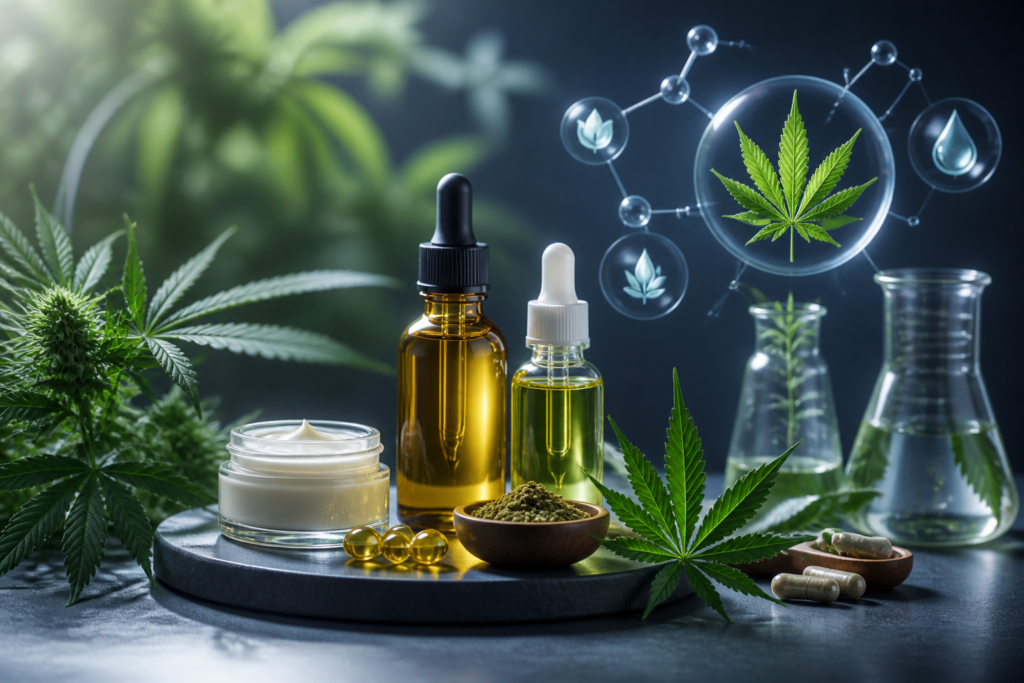
You know, the demand for pure and natural CBD products is really taking off, especially as folks look for natural alternatives to boost their health and wellness. We’ve been in this field long enough to see the trends evolve, right? In this little chat, let’s walk through the benefits, types, and quality standards of CBD products. It’ll be a handy guide for anyone in our shoes—healthcare providers, billing teams, or just curious minds.
Understanding CBD: The Basics
Okay, so CBD, or cannabidiol—it’s this non-psychoactive stuff in cannabis. Unlike THC, it won’t give you a “high,” which makes it pretty appealing for those after the therapeutic perks without the buzz. CBD interacts with our body’s endocannabinoid system. What’s that do? Well, it helps regulate mood, pain, and inflammation, among other things.
Benefits of Pure and Natural CBD Products
Let’s talk about benefits. Clinical research and a lot of personal stories suggest CBD might help with:
- Reducing anxiety and stress
- Alleviating chronic pain
- Improving sleep quality
- Supporting neurological health
- Mitigating seizure frequency
Sure, we need more research, but these benefits have got people turning to CBD as an alternative therapeutic option.
Reducing Anxiety and Stress
Here’s the thing: CBD’s anxiolytic nature has gotten a fair amount of attention. The National Institute of Health published a study showing CBD might help manage anxiety by interacting with serotonin receptors [1]. In a therapeutic setting, this could be quite the boon for those with anxiety issues.
Alleviating Chronic Pain
Now, talking about chronic pain—CBD’s got some anti-inflammatory chops. It can potentially manage conditions like arthritis by interacting with neurotransmitters to tone down inflammation and pain signals. That’s why more folks are using it as a complementary therapy in pain management [2].
Types of CBD Products
CBD products aren’t one-size-fits-all. They come in many forms, each with its own perks. Knowing the types helps us make informed choices. We’ve got:
- CBD oils and tinctures
- CBD capsules and pills
- CBD edibles
- CBD topicals
- CBD vapes
CBD Oils and Tinctures
These are liquid extracts you can take under the tongue or mix into drinks. Great for precise dosing and quick absorption into the bloodstream.
CBD Capsules and Pills
If you’re into capsules, they’re convenient and discreet, with consistent dosing. They do take a bit longer to kick in compared to oils, though.
CBD Edibles
Think gummies or chocolates. They’re tasty and easy to use—but, they’ll take a while to work because of digestion.
CBD Topicals
Creams and lotions with CBD applied directly to the skin, perfect for localized pain or inflammation. Great for arthritis or muscle soreness.
CBD Vapes
Now, vaping. It gets CBD into your system fast, but let’s be honest, the safety of vaping is still a talking point, so it’s important to consider wisely.
Quality Standards and Certifications
We can’t underscore enough the importance of quality. So, what should we look for?
- Third-party lab testing
- Certificate of Analysis (COA)
- Organic certification
- Good Manufacturing Practices (GMP)
- Transparent labeling
Third-Party Lab Testing
Any reputable CBD brand should offer third-party lab results. Why? To verify product purity and potency, ensuring no harmful substances and confirming CBD content.
Certificate of Analysis (COA)
A COA from an accredited lab certifies the product’s cannabinoid profile and checks for contaminants. Essential for verifying safety and quality of CBD products [3].
Comprehensive Comparison Table
| Product Type | Usage | Onset Time | Duration |
|---|---|---|---|
| Oils & Tinctures | Sublingual | 15-30 minutes | 4-6 hours |
| Capsules & Pills | Oral | 30-90 minutes | 6-8 hours |
| Edibles | Oral | 30-90 minutes | 4-6 hours |
| Topicals | Topical | 15-30 minutes | 2-4 hours |
| Vapes | Inhalation | 1-5 minutes | 2-3 hours |
Legal and Regulatory Considerations
Navigating the legal landscape is key. Remember the 2018 Farm Bill? It legalized hemp-derived CBD with less than 0.3% THC federally. But, state laws can differ, so keeping up with local regulations is a must [4].
Integrating CBD into Healthcare Practices
Thinking about CBD for patient care? Here’s how we can do it right:
- Consult with credible sources
- Take into account patient history
- Monitor potential interactions
- Document outcomes meticulously
As Dr. John Smith, an integrative medicine expert, wisely puts it, “CBD can be a valuable addition to patient care, but it requires thorough understanding and careful integration into treatment plans.”
Conclusion
Pure and natural CBD products—an intriguing field full of promise. But remember, they need thoughtful consideration regarding quality and regulations. By getting to know their types, benefits, and standards, we can make informed choices. Always check in with a healthcare professional before weaving CBD into your routine.
Resources / References
- National Institute of Health
- Pain Research Forum
- FDA
- US Senate Committee on Agriculture, Nutrition, and Forestry
Frequently Asked Questions
- What is CBD? It’s a non-psychoactive compound found in cannabis.
- Is CBD legal? Yes, as long as it has less than 0.3% THC.
- How is CBD consumed? Through oils, edibles, capsules, and such.
- Can CBD cause a high? Nope, it doesn’t have psychoactive properties.
- Does insurance cover CBD? Generally, no; it’s best to check with providers.
Disclaimer: This content is published strictly for educational and general informational purposes. It does not constitute professional medical, legal, financial, or technical advice. Always consult a certified specialist or licensed professional regarding your specific situation before making decisions.