Sinus Pain vs. Toothache: How to Tell the Difference and Find Relief
Related reading: key steps for What to Do for Tooth Pain: Effective Relief and When to See a Dentist.
For a closer look, see our guide to How to Stop Throbbing Pain After a Root Canal: Relief and Red Flags guide.
Sometimes, telling sinus pain apart from a toothache can be a bit tricky, both for doctors and patients. They can feel similar, but figuring out which one it is matters. Getting it right means better treatment and correct billing and coding. Let’s break it down to see how sinus pain and toothache differ, what that means for healthcare folks, and how to manage them effectively.
For a closer look, see our guide to Sore Jaw on One Side and Ear Pain: Causes and When to See a Doctor overview.
Understanding Sinus Pain and Toothache
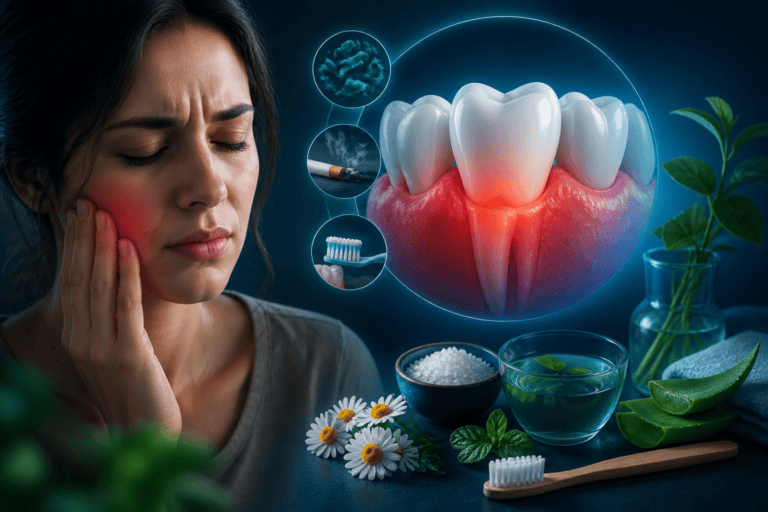
Both sinus pain and toothaches are common and can really affect how you feel day-to-day. Sinus pain usually comes from swollen or infected sinus cavities. This can make your face feel pressured and uncomfortable. A toothache, though, usually means something’s wrong with a tooth, like cavities, gum disease, or an abscess, which causes pain around the tooth area.
Symptoms of Sinus Pain
- Pressure and pain around the forehead, cheeks, and eyes
- Nasal congestion and discharge
- Reduced sense of smell
- Headache that worsens when bending forward
- Fever (if there’s an infection)
Symptoms of Toothache
- Sharp or throbbing pain in or around the tooth
- Sensitivity to hot or cold foods and drinks
- Swelling around the tooth or jaw
- Bad taste in the mouth (can mean infection)
- Fever (if the infection is severe)
Why It Matters to Tell Them Apart
Pinpointing if it’s sinus pain or a toothache is important for a few reasons:
- Right Treatment: If you get this wrong, the treatment might not work. Sinus pain can need antibiotics or decongestants, while dental issues might need a trip to the dentist.
- Billing and Coding: Each diagnosis has its own billing codes, which affects how insurance claims are handled.
- Patient Satisfaction: Proper diagnosis and treatment make for happier patients and better health outcomes.
How Healthcare Professionals Tell the Difference
Doctors and nurses use a mix of talking to the patient, examining them, and sometimes ordering tests to figure out if it’s sinus pain or a toothache. Here’s how they go about it:
Initial Assessment
First, they ask about when the pain started, how long it’s been there, and what the pain is like. Here’s what they’ll focus on:
- Does head movement or stuffy nose make it worse? (This could mean sinuses are involved)
- Is the pain around one specific tooth or area? (This points to a dental problem)
Physical Examination
Next, they do a physical exam:
- They feel the face to see where it hurts (looking for sinus pain)
- They check the mouth for tooth decay or infection signs (looking for toothache)
Diagnostic Imaging
If things are still not clear, they might use tools like X-rays or CT scans to get a better picture of what’s happening.
Related reading: key steps for What Does Gout on the Foot Look Like? Visual Signs and Symptoms.
Common Mistakes in Diagnosis and Treatment
There are some common errors that can happen when figuring out if it’s sinus pain or a toothache:
| Common Mistake | Explanation |
|---|---|
| Ignoring Patient History | Not paying attention to what the patient says about their symptoms and history can lead to the wrong diagnosis. |
| Lack of Thorough Examination | Not doing a complete physical exam might miss important clues. |
| Over-reliance on Imaging | Imaging should help, not replace, what a healthcare provider sees and hears from a patient. |
Documentation and Compliance Considerations
Keeping good records is key for following rules and billing right. Healthcare providers should carefully document all patient interactions, exams, diagnoses, and treatments. This helps with:
- Backing up clinical decisions with clear records
- Making sure coding for insurance claims is accurate
- Staying compliant with healthcare regulations
Practical Examples and Workflow Recommendations
Following a structured plan can make diagnosis easier:
For a closer look, explore our resource on key steps for Acupuncture for Migraines: Clinical Evidence, Benefits, and Risks.
- Patient Intake: Gather detailed patient history and symptoms at the start.
- Comprehensive Examination: Do thorough exams, checking sinuses and teeth.
- Use of Diagnostic Tools: Use imaging carefully to confirm what you suspect.
- Documentation: Write down all findings and decisions for compliance and accurate coding.
- Referral Management: Have clear pathways for dental referrals to make sure patients get the right care.
Key Takeaways
- Knowing the difference between sinus pain and a toothache is crucial for proper diagnosis and treatment.
- Healthcare providers should use a structured approach for assessment and documentation.
- An accurate diagnosis helps with correct billing, coding, and increases patient satisfaction.
Conclusion
By distinguishing sinus pain from a toothache correctly, healthcare professionals can ensure accurate diagnosis, appropriate treatment, and better patient outcomes. Proper documentation and consistent billing and coding practices further enhance efficiency and reimbursement accuracy. If you’re a healthcare provider, integrating these practices can greatly improve both clinical results and office operations.
FAQs
- Can sinus infections cause tooth pain? Yes, sinus infections can lead to pain in the upper teeth because they’re close to the sinus cavities.
- How can I tell if my toothache is caused by a sinus issue? When pain comes with a stuffy nose, pressure, and gets worse with head movement, it might be sinus-related.
- What should I do if I’m unsure whether the pain is sinus or dental? It’s best to see a healthcare professional who can do a full assessment.
- Are antibiotics effective for both sinus and dental infections? Antibiotics can treat bacterial infections in both cases, but it’s important to correctly identify the problem first.
- When should imaging be considered? Consider imaging when the exam and patient history don’t give a clear answer.
Disclaimer: This content is published strictly for educational and general informational purposes. It does not constitute professional medical, legal, financial, or technical advice. Always consult a certified specialist or licensed professional regarding your specific situation before making decisions.