Getting a tooth pulled might not be anyone’s favorite activity, but it’s a pretty common dental procedure. Whether it’s because of decay, infection, or maybe you’re making room for braces, it’s something a lot of us encounter. The dentist’s skills are key, of course, but don’t overlook the role of solid aftercare in ensuring a smooth recovery. Let’s dive into some handy tips and a timeline that’ll help both healthcare pros and patients promote top-notch healing after a tooth extraction.
Getting the Lowdown on Tooth Extraction Aftercare
Once that tooth is out, your body jumps into healing mode—it’s like magic, but with a little more science. You need to give it the right kind of attention to dodge things like infections, dry sockets, or pesky pain. Good aftercare means dealing with the first symptoms, keeping your mouth clean as a whistle, and watching what you eat.
Why is Aftercare So Vital?
Taking care of your mouth after a tooth is pulled can seriously cut down on complications and speed up healing. For those in healthcare, knowing these steps means you can pass on the knowledge, helping reduce those unexpected emergency calls. For patients, sticking to these guidelines makes things easier, with less discomfort tagging along.
First Things First: Immediate Aftercare in the First 24 Hours
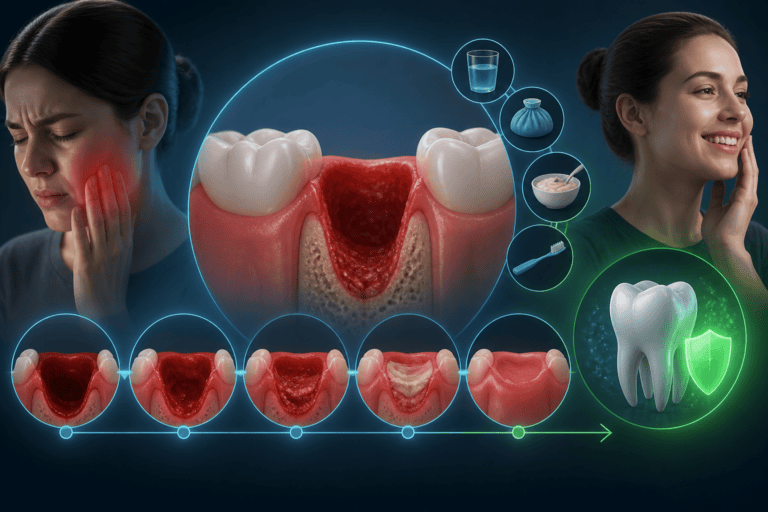
The initial 24 hours post-extraction are critical. Here’s a bit of a roadmap for what unfolds and what actions you should take:
- Keep That Bleeding in Check: Biting down on gauze over the site for about 30 to 45 minutes usually does the trick for bleeding control.
- Stay Ahead of Swelling: Apply an ice pack on the cheek near the extraction area for 20 minutes on and off every hour.
- Handle the Pain: Over-the-counter medications like ibuprofen are your friends here, but sometimes a prescription might be needed.
- Take a Breather: Dial down the physical activity so you don’t stir up bleeding or mess with clot formation.
Avoiding the Big No-Nos in Immediate Aftercare
- Not Squeezing Firmly Enough: You gotta apply good pressure with that gauze, or else bleeding might drag on.
- Skipping on Pain Relief: Some folks shy away from meds—don’t be one of them! It can lead to more pain than necessary.
- Jumping Back Into Action: Starting regular activities too soon can ramp up bleeding and slow down healing.
Moving Forward: Days 2 to 7
As the first phase wraps up, here’s what to keep an eye on as recovery progresses:
- Keep it Clean: Rinsing gently with warm salt water helps maintain oral hygiene without disturbing the healing clot.
- Mind Your Menu: Soft foods like yogurt, applesauce, and mashed potatoes are the way to go. Steer clear of anything hot, spicy, or crunchy.
- Stay Vigilant: Be alert for infection signs such as increased swelling, fever, or pus. If you see any of that, check in with your doc.
Keep the Records Straight
Healthcare providers should keep a diligent log of all the post-op instructions and any chats with patients about symptoms or issues. This isn’t just for legal reasons—it’s key for consistent care.
Week 2 and Beyond: Aiming for Full Recovery
When you hit the second week, life can start feeling a bit more normal. But keep these points in mind:
- Ease Back Into Eating: As comfort allows, start reintroducing firmer foods to your diet.
- Keep an Eye Out: If pain or swelling hangs around longer than you’d expect, it’s time for a professional look-see.
- Schedule One Last Check-In: A follow-up with your dentist ensures everything’s healed up proper and any worries can be addressed.
Quick Comparison: Missteps vs. Best Practices
| Misstep | Best Practice |
|---|---|
| Ignoring pain medication instructions | Stick to taking meds as prescribed to manage discomfort |
| Jumping back to activities too soon | Ensure adequate rest to support healing |
| Eating hot or crunchy foods | Opt for soft eats until healing is complete |
| Skipping oral hygiene | Gentle rinses keep the area clean and happy |
Key Reminders for Healthcare Providers
Healthcare providers have a big role to play in patient education. Here are a few takeaways:
- Highlight the importance of aftercare instructions
- Offer detailed documentation and management guidelines
- Encourage follow-up visits to assess recovery progress
Wrapping Things Up
Even though tooth extraction is a pretty standard thing, the recovery is a different story—it needs careful aftercare. By mastering and leveraging these strategies, healthcare providers can really help patients navigate the recovery process smoothly, lower the risk of hiccups, and boost overall outcomes.
FAQs
- How long does it take to recover from a tooth extraction? Typically, it’s about 1 to 2 weeks for recovery. Full healing might stretch out a bit if the extraction was complicated.
- What foods should I avoid after a tooth extraction? Best to avoid hard, crunchy, spicy, and hot foods. Stick to soft, cool options to keep the extraction site irritation-free.
- When should I call my dentist after an extraction? Give your dentist a ring if you face severe pain, too much bleeding, signs of infection, or if swelling doesn’t ease after a few days.
- Is it normal to feel pain after a tooth extraction? A bit of discomfort is expected, but it should be manageable with prescribed meds.
- Can I brush my teeth after a tooth extraction? Yes, just go easy and avoid the extraction site so you don’t dislodge the clot.
Disclaimer: This content is published strictly for educational and general informational purposes. It does not constitute professional medical, legal, financial, or technical advice. Always consult a certified specialist or licensed professional regarding your specific situation before making decisions.