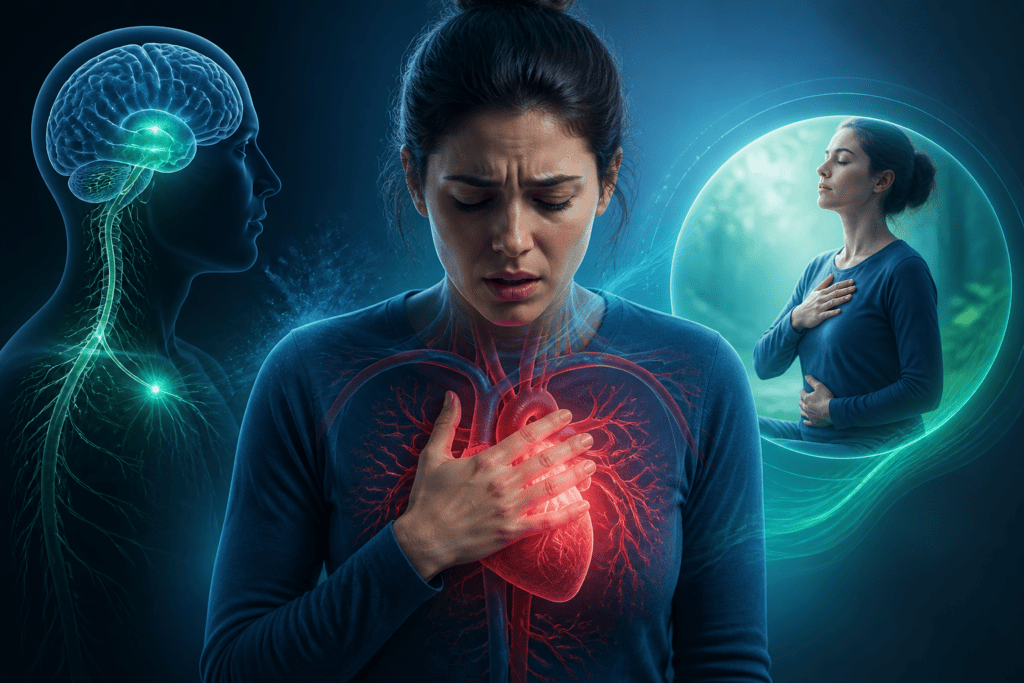
The Physiology of Panic: Why Your Heart Races and How to Stop It
Panic attacks can be overwhelming. They often manifest unexpectedly, leading to physical symptoms that can be alarming. Understanding the physiology behind panic is crucial for healthcare providers, therapists, and individuals experiencing these episodes. This article explores the biological mechanisms that trigger panic, the physiological responses involved, and effective strategies for managing and mitigating these episodes.
The Biological Basis of Panic
Panic attacks are characterized by sudden episodes of intense fear or discomfort. They can occur without warning and typically peak within minutes. The physiological response during a panic attack is primarily mediated by the autonomic nervous system (ANS), which includes the sympathetic and parasympathetic systems. The sympathetic system triggers the “fight or flight” response, resulting in several bodily changes:
- Increased heart rate
- Rapid breathing
- Cold or clammy skin
- Muscle tension
- Perspiration
<h3.Key Role of the Amygdala
The amygdala, an almond-shaped cluster of nuclei located within the temporal lobe, plays a pivotal role in processing emotions. In the context of panic:
- It evaluates threats and triggers responses.
- It activates the hypothalamus-pituitary-adrenal (HPA) axis.
- It releases stress hormones such as cortisol.
Increased cortisol levels can lead to heightened anxiety, further perpetuating the cycle of panic.
<h2.Common Symptoms of Panic Attacks
Recognizing the symptoms of panic attacks can aid in timely intervention. Common symptoms include:
- Palpitations or racing heart
- Shortness of breath
- Chest pain or discomfort
- Dizziness or lightheadedness
- Nausea or abdominal distress
Understanding these symptoms allows healthcare professionals to differentiate panic attacks from other medical conditions, such as cardiac events or pulmonary issues.
<h2. Understanding Heart Rate Changes
During a panic attack, heart rate can increase significantly. Normal resting heart rate ranges from 60 to 100 beats per minute (bpm). However, during a panic attack, it can elevate to over 120 bpm. This condition is known as tachycardia. Tachycardia can be classified as:
- Supraventricular tachycardia (SVT)
- Ventricular tachycardia (VT)
- Sinus tachycardia
Understanding these conditions can assist healthcare providers in accurately diagnosing and treating patients experiencing panic attacks. The following table summarizes the distinctions between these types of tachycardia:
| Type | Characteristics | Common Causes |
|---|---|---|
| SVT | Rapid heart rate from the atria | Stress, caffeine, alcohol |
| VT | Rapid heart rate from the ventricles | Heart disease, electrolyte imbalance |
| Sinus Tachycardia | Increased heart rate from the sinus node | Exercise, anxiety, fever |
<h2.Effectiveness of Treatment Options
Panic attacks can be effectively managed through a combination of therapeutic approaches and lifestyle modifications. Below are some recommended strategies:
<h3.Cognitive Behavioral Therapy (CBT)
CBT is a highly effective treatment for panic disorder. It helps individuals reframe negative thought patterns and develop coping mechanisms. Key components include:
- Identifying triggers
- Challenging irrational thoughts
- Gradual exposure to feared situations
<h3.Medication
Pharmacological interventions can also complement therapy. Common medications include:
- Selective serotonin reuptake inhibitors (SSRIs)
- Serotonin-norepinephrine reuptake inhibitors (SNRIs)
- Benzodiazepines for short-term relief
It is vital for healthcare providers to monitor for side effects and efficacy when prescribing medications.
<h3.Lifestyle Modifications
Encouraging patients to adopt healthier lifestyles can significantly reduce panic attacks. Recommendations include:
- Regular physical activity
- Mindfulness and relaxation techniques
- Adequate sleep
These practices can help mitigate stress and anxiety levels, contributing to overall mental well-being.
<h2.Preventing Panic Attacks
Preventative measures can be crucial in managing panic disorder. Strategies may include:
- Identifying and avoiding triggers
- Engaging in regular therapy sessions
- Utilizing breathing exercises
Healthcare providers can aid patients in developing a personalized prevention plan, enhancing their coping strategies.
<h2.Conclusion
Understanding the physiology of panic is essential for effective management. By recognizing symptoms, implementing treatment strategies, and making lifestyle adjustments, individuals can regain control over their lives. Healthcare providers play a critical role in guiding patients through this process, ensuring they receive the support needed to overcome panic attacks.
Disclaimer: This content is published strictly for educational and general informational purposes. It does not constitute professional medical, legal, financial, or technical advice. Always consult a certified specialist or licensed professional regarding your specific situation before making decisions.
Resources / References
- American Psychological Association
- American Medical Association
- National Institutes of Health
- Mayo Clinic
- National Institute of Mental Health
Frequently Asked Questions
What causes panic attacks?
Panic attacks can be triggered by stress, genetics, or environmental factors.
How long do panic attacks last?
Panic attacks usually last between 5 to 30 minutes.
Can panic attacks be prevented?
Yes, by identifying triggers and engaging in therapy.
Are medications effective for panic disorder?
Yes, medications can be effective when combined with therapy.
What is the best therapy for panic attacks?
Cognitive Behavioral Therapy (CBT) is highly effective.