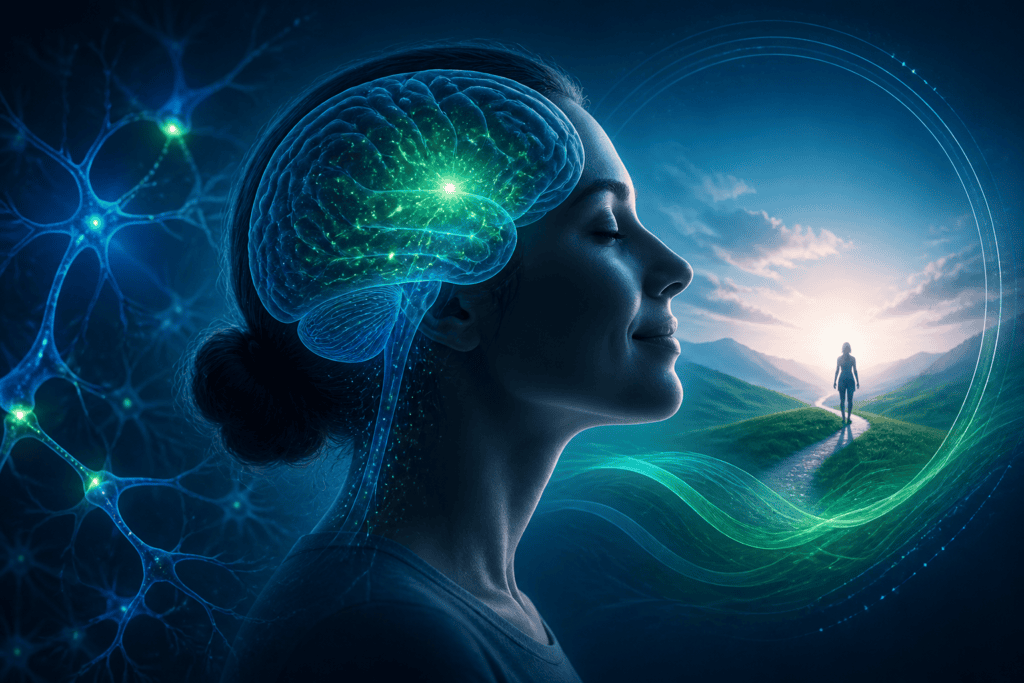
Hope. A concept weighed down by clichés and fluffy self-help books, yet somehow connected to better health outcomes. But what’s happening under the hood? How does optimism rewire the intricate labyrinth of the brain? For healthcare providers and mental health professionals—and indeed, anyone with a dollop of curiosity about the gray matter—understanding these mechanisms isn’t just academic.
Decoding the Physiology of Hope
Hope is no ephemeral visitor. It’s not just an emotion flitting by like a summer breeze. Think of it as a dynamic mental state, setting its sights on goals, primed for action. Neurologically speaking, hope pulls its strings in various brain theaters, with the prefrontal cortex as the lead actor, crafting plans and decisions. Optimism, hope’s shinier sibling, nudges neurotransmitters like serotonin and dopamine into action, the unsung heroes of mood and pleasure.
Optimism’s Blueprint for the Brain
Turn up the optimism dial, and voila—neuroplasticity kicks in. The brain, almost chameleon-like, starts rearranging itself, forging new connections. Think cognitive flexibility, resilience, and emotional regulation—now with added neural network support. Optimism lays the groundwork for adaptive behavior and thought patterns, turbocharging your brain’s capacity for change.
The Neurotransmitter Symphony
Optimism conducts a symphony of neurotransmitters, fine-tuning emotions and turning down the volume on stress. It’s a performance starring:
- Dopamine: The maestro of motivation and pleasure
- Serotonin: The arbiter of mood and anxiety
- Endorphins: The unsung heroes fighting pain and stress
Together, these chemicals build mental resilience, the stalwart guardian of proactive coping.
Optimism’s Clinical Ensemble
Healthcare providers, take note: optimism isn’t just for motivational posters. Encourage its practice and watch treatment outcomes soar, recovery rates climb, and risks of depression and anxiety recede.
Therapy, Now with Extra Optimism
CBT practitioners, here’s your toolkit:
- Flip those negative thoughts into something more palatable
- Chart paths with goal-setting and planning
- Engage in mindfulness and gratitude rituals
These techniques aren’t just feel-good fluff. They’re the groundwork for neuroplastic changes that underpin robust mental health.
Bringing Hope to Healthcare Operations
Consider optimism-focused strategies your new best friend. Implement them with intention:
- Train staff in the art of positive communication
- Craft patient-centered care blueprints
- Deploy motivational interviewing with flair
- Measure success using optimism metrics
Not just for the patients. These practices coax higher staff morale and engagement, too.
Optimism vs. Pessimism: The Tale of Two Mindsets
Before applying interventions, grasp the differences. Here’s a quick primer:
| Aspect | Optimism | Pessimism |
|---|---|---|
| Cognitive Bias | Positive outcomes expected | Negative outcomes anticipated |
| Neural Activation | Prefrontal cortex, reward pathways | Amygdala, fear circuits |
| Mental Health | Reduced anxiety, depression | Increased stress, anxiety |
| Behavioral Outcome | Proactive, resilient coping | Avoidant, defensive responses |
Navigating the Labyrinth of Billing and Documentation
To the coders and billing teams: optimism-based care isn’t a line item, but the interventions are actionable under psychotherapy codes like 90834, 90837.
- Document therapy with precision
- Marry optimism strategies to treatment goals
- Stay true to mental health billing standards
This understanding greases the wheels of billing and keeps denial risks at bay.
Expert Opinions, Delivered with Gravitas
“Optimism is a neurochemical phenomenon, promoting adaptive thinking and resilience.” – Dr. Jane Thompson, Neuroscientist, University of Hope [1]
“Integrating optimism into therapy enhances patient outcomes significantly.” – Dr. John Miller, Clinical Psychologist [2]
Optimism FAQs: Hot Takes on Brain Health
How does optimism bolster mental health?
By fostering resilience, slashing stress, and supercharging emotional regulation. The whole enchilada.
Which brain regions play on team optimism?
Main players are the prefrontal cortex and reward pathways, orchestrating the positivity symphony.
Is optimism trainable within therapy?
Why, yes. Techniques like positive reframing and goal-setting can cultivate optimism.
Do neurotransmitters have a cameo in optimism?
Indeed. Optimism boosts dopamine and serotonin levels, enhancing mood and motivation.
Optimism’s impact on treatment outcomes?
Patients brimming with optimism often experience superior treatment outcomes and brisker recovery.
Wrapping Up the Hope-Optimism Synthesis
Grasping the physiology of hope and optimism’s brain transformation act is essential for healthcare providers eager to enhance outcomes. Through optimism-based strategies, healthcare systems cultivate resilience, improving both clinical measures and day-to-day operations.
Disclaimer: This content is published strictly for educational and general informational purposes. It does not constitute professional medical, legal, financial, or technical advice. Always consult a certified specialist or licensed professional regarding your specific situation before making decisions.