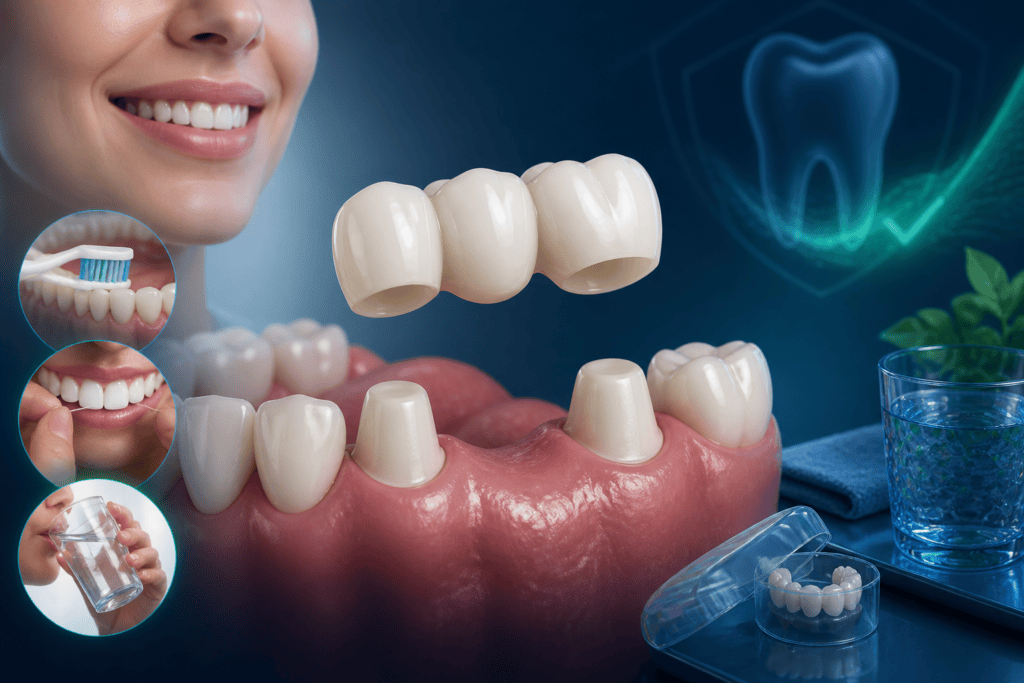
A temporary dental bridge is an important bridge in the gap—literally and figuratively—between tooth loss and getting a permanent solution. As a healthcare provider, getting to know the uses, care tips, and expectations for these temporary solutions is key to providing the best care and achieving great results. Let’s dive into what temporary dental bridges are all about, focusing on practical use, usual pitfalls, and workflows that can help make things smoother for both you and your patients.
What’s a Temporary Dental Bridge?
A temporary dental bridge is a short-term way to replace missing teeth. It’s like a placeholder while waiting for a permanent bridge or some other long-term fix. Usually made from materials like acrylic or composite, these temporary bridges aren’t as tough as permanent ones, but they help with function and appearance while you wait.
Main Uses for Temporary Dental Bridges
- Protection: Shields the gums and the area where work is being done from getting hurt or infected.
- Function: Lets patients chew and talk more normally in the meantime.
- Esthetics: Fills in the missing tooth space to make things look better.
- Stabilization: Stops nearby teeth from moving into the gap and messing up alignment.
Why Do Temporary Dental Bridges Matter Operationally?
From your viewpoint as a healthcare provider, these temporary bridges are a big piece of the puzzle. They help keep oral health and function in good shape until the permanent fix is ready. This in-between period needs thorough planning to avoid things like tooth movement or gum issues. Managing these bridges well can really affect how successful the final restoration is.
Operational Challenges
There are challenges, no doubt, like making sure the fit is right, managing what patients expect, and teaching them how to care for the bridge. Working together smoothly with dental teams, billing folks, and patients is important to keep everything running and avoid bumps in the road.
How Do Professionals Handle Temporary Dental Bridges?
Handling these bridges involves several steps, from the first look to putting them in place and keeping them maintained. Here’s a peek at the usual workflow dental pros follow:
Workflow for Temporary Dental Bridge Placement
- Initial Assessment: Check the patient’s oral health, talk about options, and set what they can expect.
- Tooth Preparation: Get the nearby teeth and gums ready for the bridge.
- Impression Taking: Make a mold of the area to create a bridge that fits.
- Bridge Fabrication: Use that mold to make the temporary bridge.
- Bridge Placement: Put in the bridge, adjusting for comfort and fit if needed.
- Patient Education: Give care instructions and plan follow-up visits for checks.
Common Mistakes and How to Avoid Them
Even when doing your best, mistakes can happen with managing these bridges. Here are a few common ones and how to dodge them:
| Common Mistake | Recommended Solution |
|---|---|
| Improper Fit | Make sure impressions are spot on and tweak the bridge before it’s a done deal. |
| Poor Patient Education | Give thorough care instructions and be open to questions. |
| Inadequate Follow-up | Have regular check-ins to keep tabs on the bridge and overall oral health. |
| Neglecting Adjacent Teeth | Keep an eye on nearby teeth to prevent them from shifting or decaying. |
Documentation and Compliance Considerations
Accurate paperwork and meeting regulations are really important in dental care. Everything from procedures to interactions needs to be clearly documented. This helps with billing, keeps teams in sync, and provides a legal record of the care given.
Important Documentation Practices
- Detailed Records: Keep thorough notes on assessments, plans, and follow-up visits.
- Compliance with HIPAA: Make sure patient info is kept private and handled securely.
- Coding Accuracy: Use the right codes for billing procedures with temporary bridges to ensure proper payment.
Care Tips for Patients with Temporary Dental Bridges
Teaching patients how to care for their temporary bridges is vital for both their oral health and the bridge’s life span. Here are some handy tips to share with them:
- Avoid Sticky or Hard Foods: Tell them to steer clear of foods that might dislodge the bridge.
- Maintain Oral Hygiene: Regular brushing and flossing are key to stopping plaque and gum issues.
- Use Gentle Techniques: Recommend using a soft-bristle brush and gentle motions around the bridge.
- Report Issues Promptly: Encourage them to speak up about any discomfort or damage right away.
Key Takeaways
Temporary dental bridges are an essential step in the dental restoration process, providing support and aesthetics until a permanent fix is ready. Understanding their use, care, and management helps healthcare providers improve patient outcomes and efficiency. Good documentation, patient teaching, and regular follow-ups are vital parts of managing temporary bridges successfully.
Conclusion
By weaving best practices for temporary dental bridges into the day-to-day workflow, both provider and patient experiences can be greatly improved. Avoiding common pitfalls and ensuring good documentation and patient instruction can pave the way for a smooth shift to permanent solutions.
Disclaimer: This content is published strictly for educational and general informational purposes. It does not constitute professional medical, legal, financial, or technical advice. Always consult a certified specialist or licensed professional regarding your specific situation before making decisions.