Getting to Know Clear Ceramic Braces: Costs, Benefits, and Insurance Insights
Clear ceramic braces are gaining traction because they blend discreet style with orthodontic effectiveness. But let’s be real—figuring out their cost, benefits, and how insurance fits into the mix can feel like navigating a jungle. So, we’re diving deep to give healthcare providers, billing pros, and curious folks the full scoop on these braces, helping everyone make savvy choices.
Background and Context
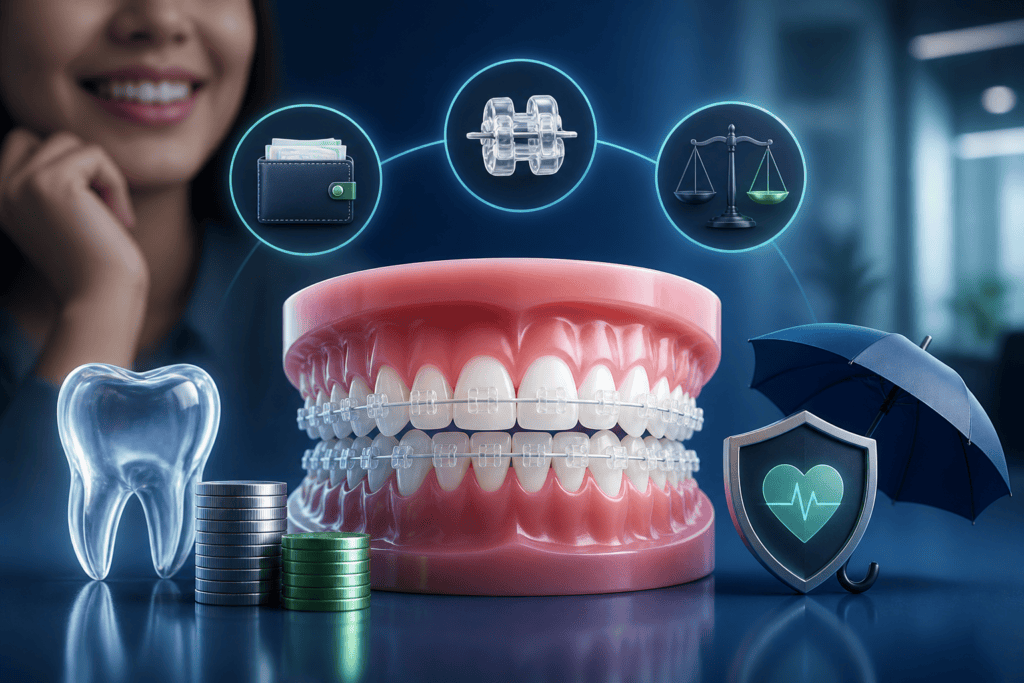
Oh, how far orthodontics has come! Today, there are all sorts of ways to straighten teeth. Clear ceramic braces step up as an alternative to the old-school metal kind, offering a more subtle look without compromising on performance. They’re crafted from a polycrystalline alumina compound, making them blend in pretty well with your pearly whites.
In 2023, the price tag for clear ceramic braces can zigzag quite a bit, depending on where you are, how tricky the treatment is, and how skilled your orthodontist is. Getting a handle on these factors is key for everyone involved.
Cost Rundown and What the Experts Say
Numbers talk—and clear ceramic braces usually cost between $4,000 and $8,000, according to the American Association of Orthodontists. But, like many things, it depends. Several elements can sway this, like how complex the case is and how long the treatment will take.
| Factor | Impact on Cost |
|---|---|
| Geographic Location | City living? Expect to pay more due to higher overheads. |
| Treatment Complexity | Complicated cases need more time, which hikes up costs. |
| Orthodontist Expertise | Veteran orthodontists might charge a premium for their mastery. |
As for insurance, the Centers for Medicare & Medicaid Services (CMS) note that Medicare usually doesn’t cover orthodontics, but some private plans might chip in. Checking your insurance benefits beforehand is a must.
Clear Ceramic Braces vs. the Other Guys
When folks weigh their options, they often pit clear ceramic braces against metal braces and Invisalign. Here’s a handy comparison:
| Option | Advantages | Limitations | Best Use Case |
|---|---|---|---|
| Clear Ceramic Braces | Blend in well, good for tough cases | Pricey and can stain | For those wanting discreet treatment |
| Metal Braces | Affordable and strong | Very noticeable | Great for budget-conscious individuals |
| Invisalign | Removable and nearly invisible | Less effective for tricky cases | For those needing flexibility and looks |
What Healthcare Providers Need to Know
For providers, dealing with clear ceramic braces means grasping the ins and outs of billing and coding. Knowing the right CPT codes, like 8080 for comprehensive adolescent orthodontics, is crucial when sending off insurance claims.
Providers should also prepare patients for possible extra costs, such as fixing broken brackets or longer treatment times that might crop up along the way.
Avoiding Common Blunders with Ceramic Braces
Slip-ups are common in managing these braces. Here’s where things often go sideways:
- Misjudging the treatment’s complexity or length, which can lead to unforeseen expenses.
- Skipping insurance pre-authorization, which can result in denied claims.
- Neglecting patient education on care, enhancing the risk of stains and breakage.
Decision Steps for Providers and Patients
- Evaluate Patient Needs: Gauge the patient’s orthodontic necessities and aesthetic desires.
- Cost Assessment: Lay out a detailed cost rundown, including any extras.
- Insurance Verification: Dive into insurance benefits for orthodontics coverage.
- Patient Education: School the patient on how to care for their braces to avoid damage or stains.
- Ongoing Monitoring: Keep up with regular check-ins to tweak treatment as needed.
Wrapping It Up
All in all, clear ceramic braces offer a sleek fusion of form and function, making them a solid choice for many. By grasping the costs, ins and outs, and insurance angles, providers and patients can make smart, informed choices. Healthcare providers should aim for precise billing and thorough patient education to nail treatment results.
Disclaimer: This content is published strictly for educational and general informational purposes. It does not constitute professional medical, legal, financial, or technical advice. Always consult a certified specialist or licensed professional regarding your specific situation before making decisions.