How Long Can a Dead Tooth Stay in Your Mouth? Weighing the Risks and Available Treatments
Teeth are more than just chompers for food—they’re integral to our health and well-being. But when a tooth bites the dust (usually thanks to infection or trauma), it can bring about a host of health issues. Knowing how long you can keep a dead tooth around, what risks come with it, and what treatments are on the table is key for both us in healthcare and our patients. Let’s dig into this a bit more.
What Exactly is a Dead Tooth?
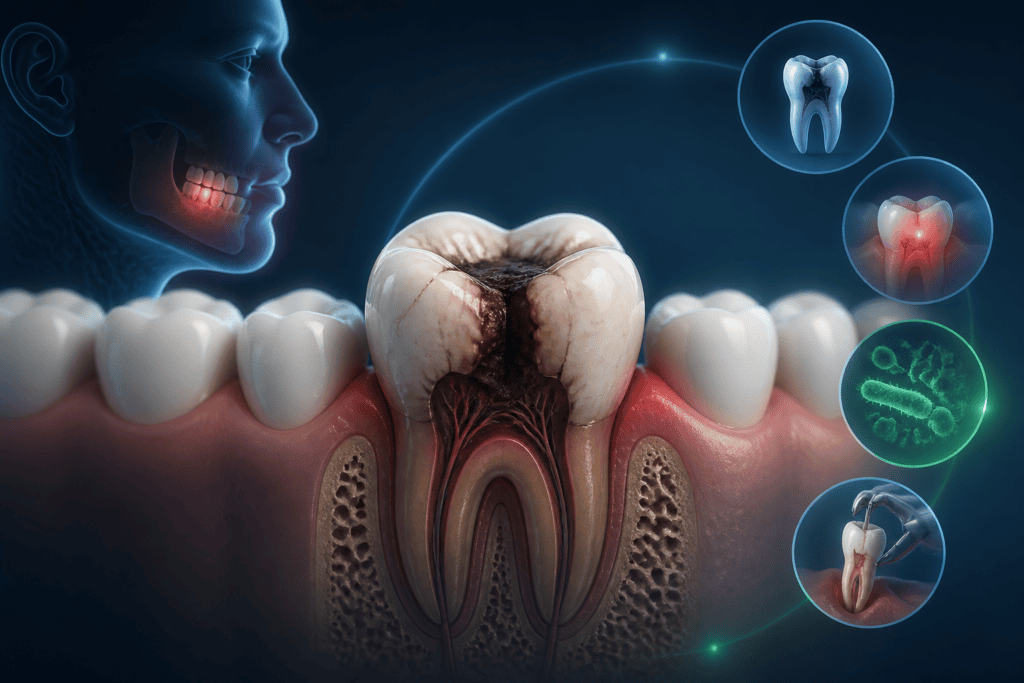
When we talk about a “dead” tooth, or a non-vital tooth, we’re referring to a situation where the nerve in the tooth has stopped functioning. This typically happens due to trauma, decay, or disease damaging the pulp—the very core of the tooth filled with nerves and blood vessels. Ignore it, and you could be in for more trouble.
Causes of Tooth Necrosis
So, what leads a tooth to necrosis? Here are the usual suspects:
- Trauma: A physical injury might cut off the blood supply, causing the tissue to die.
- Decay: When decay goes too far, bacteria invade the pulp, leading to infection and eventually, necrosis.
- Periodontal Disease: Severe gum issues can impact the roots and lead to pulp death.
Necrosis generally creeps in slowly. That’s why regular dental check-ups are your best bet to spot early signs before you’re in a pickle.
Why Leaving a Dead Tooth is Risky Business
Letting a dead tooth stay put can open Pandora’s box of health risks, some impacting one’s overall health pretty seriously. Here’s why it’s risky:
Infection and Abscess Formation
Consider a dead tooth a prime real estate for bacteria—an infection haven that might go beyond the tooth. If ignored, infections might lead to abscesses (those nasty, pus-filled pockets). Let it fester, and you might find it traveling to vital organs, which is no small concern.
Bone Loss
A dead tooth can also spell trouble for your jawbone. Infections linked with necrosis can nibble away at the bone structure, leading to bone loss. This could compromise the stability of other teeth and even mess with your facial structure over time.
Oral Health Compromises
Keeping a dead tooth isn’t great for your mouth. Bacteria can hop from the dead tooth to its neighbors, upping the risk of new cavities and gum disease. Plus, it could leave you with chronic bad breath and an unpleasant taste.
What Can Be Done About a Dead Tooth?
It’s vital we jump on treating a dead tooth quickly. Several treatments are available, each with its own perks and considerations.
Root Canal Therapy
Root canal therapy is a popular route to save a dead tooth. The procedure involves clearing out the dead pulp tissue, cleaning the canal, and sealing it to ward off infections. This can often save the natural tooth, keeping both function and looks intact.
Tooth Extraction
When a tooth can’t be saved or it’s risky to leave it, extraction might be the answer. Afterward, a dental implant or bridge can fill the gap, ensuring function and appearance stay on track.
Antibiotic Therapy
Sometimes, antibiotics are needed to manage infections from a dead tooth until further treatment happens. But here’s the thing: antibiotics alone aren’t a fix for necrosis—they’re just a stopgap measure.
So, How Long Can We Keep a Dead Tooth?
How long a dead tooth can hang around safely depends on various factors and if there’s an infection. While some folks might not notice anything off immediately, others could deal with serious discomfort and issues. The smart move is to get dental help quickly to dodge any nasty outcomes.
What Affects How Long a Dead Tooth Can Stay?
The time a dead tooth can hang around without causing harm hinges on a few things:
- Presence of Infection: An infected tooth needs urgent attention.
- Symptoms: Pain or swelling calls for faster action.
- Overall Health: Conditions like diabetes can ramp up infection risk, making prompt treatment crucial.
Visual Guide: Comparing Dead Tooth Treatments
| Criteria | Root Canal Therapy | Tooth Extraction | Antibiotic Therapy |
|---|---|---|---|
| Goal | Preserve the tooth | Remove the tooth | Manage infection |
| Procedure | Remove pulp, clean, and seal | Extract tooth | Medicate with antibiotics |
| Recovery Time | Generally quicker than extraction | Longer, with implant/bridge follow-up | Short-term relief |
| Cost | Moderate to high | Varies, potential extra for replacement | Low, but not a standalone fix |
Wrapping Up
A dead tooth isn’t just cosmetic—it’s a potential health threat that needs swift attention. By understanding the risks and treatments, we can make informed choices to avoid any hiccups. Acting early doesn’t just save a tooth; it safeguards your well-being.
For more on keeping your dental and mental health in check, take a look at Therapy Flux.
Frequently Asked Questions
How can I tell if I have a dead tooth?
Look out for discoloration, pain, or swelling. Still, only a dentist can confirm necrosis with an exam and imaging.
Is a dead tooth always painful?
Not always. Some people don’t feel any pain, highlighting the importance of regular dental visits for early detection.
Can a dead tooth heal on its own?
No, once it’s dead, it’s dead. Professional treatment is a must to address the issue.
What happens if I leave a dead tooth untreated?
Without treatment, a dead tooth can lead to infections that spread and cause broader health issues.
Disclaimer: This content is published strictly for educational and general informational purposes. It does not constitute professional medical, legal, financial, or technical advice. Always consult a certified specialist or licensed professional regarding your specific situation before making decisions.