2-Year Molars: Teething Symptoms, Eruption Order, and Soothing Tips
Understanding teething, especially the arrival of 2-year molars, is important for both parents and healthcare providers. This phase can be uncomfortable for kids and puzzling for caregivers. Let’s break down this stage so everyone can handle it with confidence.
What Are 2-Year Molars, and When Do They Typically Erupt?
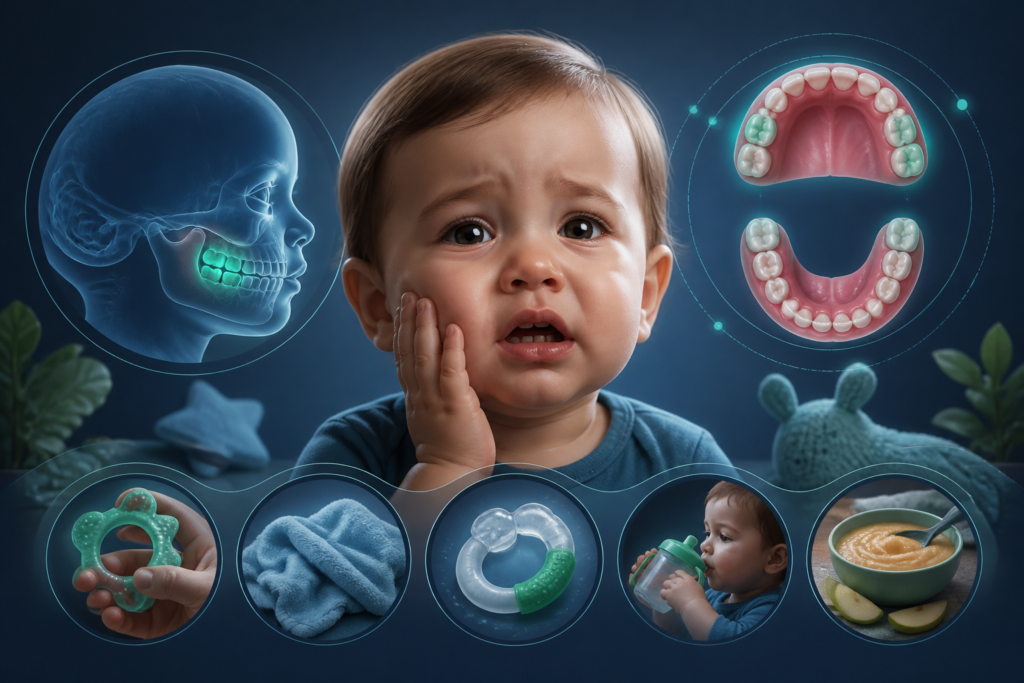
2-year molars, or second molars, usually show up between 23 to 33 months. They’re the last baby teeth to come in and help with chewing and talking. The lower molars often come in first, then the upper ones. This order can matter when it comes to handling teething symptoms.
But remember, the timing isn’t the same for every child. Some might get them early or late, and while that’s often okay, a big delay might need a check by a pediatric dentist.
What Symptoms Indicate Teething of 2-Year Molars?
Kids teething their 2-year molars might be cranky, drool a lot, have swollen gums, or want to chew on hard things. They might also run a slight fever or have trouble sleeping. These are normal, similar to other teething stages, but can seem worse due to the big size and location of the molars.
Sometimes, symptoms like these can be confused with ear infections, so it’s important to tell them apart to avoid unnecessary treatments.
How Can Healthcare Providers Help Manage Teething Discomfort?
Pediatricians and dentists have a few tricks to make teething easier. They might suggest teething rings, certain pain relievers like acetaminophen (with a doctor’s okay), or gently rubbing the gums. But steer clear of benzocaine products for young kids—they can be risky.
Don’t forget emotional support. Helping parents stay calm and patient can make a big difference for both them and their child.
Are There Any Complications Associated with 2-Year Molars?
Most kids handle this stage just fine, but some might get rashes or be extra uncomfortable. Just be careful not to chalk up every symptom to teething—it might delay other important medical checks.
Regular dentist visits can help catch potential problems early. If there’s excessive drooling or pain, it might need quicker attention.
What Should Parents Do If Symptoms Persist?
If teething symptoms last longer than usual or seem severe, it’s a good idea to see a pediatric dentist. Lingering symptoms could point to other dental issues like infections or cavities.
The risk here is putting off that dentist visit, which could make things harder to fix later. Keeping a log of symptoms is useful for discussions with the dentist.
How Can Healthcare Providers Educate Parents on 2-Year Molars?
Providers should clearly explain the teething process and what to expect with 2-year molars. This includes managing symptoms, keeping teeth clean, and knowing when to get more help.
Handouts or online resources can be very helpful here, making it easier for parents to understand and follow through.
Decision Table for Managing 2-Year Molars
| Situation | Recommended Approach | Common Risk | Documentation Needed |
|---|---|---|---|
| Mild discomfort | Use teething rings, massage gums | Overuse of pain medications | Record of symptoms and interventions |
| Persistent symptoms | Consult pediatric dentist | Delayed treatment of dental issues | Symptom diary |
| Severe pain or fever | Medical evaluation | Misdiagnosis of underlying conditions | Medical history and symptom log |
Are There Effective Soothing Tips Beyond Teething Rings?
Sure! Cold washcloths and frozen fruit in mesh feeders can also help ease the ache. A balanced diet and plenty of fluids are helpful too. Watch out for hard foods—they can make gum pain worse.
Remember, each child is different, so some trial and error might be needed to find what works best.
How Can Coders and Billers Handle Claims Related to Teething?
For billing teams, it’s important to document everything accurately when handling claims about teething. Use the right ICD-10 codes to avoid rejections.
Problems can pop up if the documentation is too vague. Detailed records of symptoms and treatments can aid in smooth claim handling.
Disclaimer: This content is published strictly for educational and general informational purposes. It does not constitute professional medical, legal, financial, or technical advice. Always consult a certified specialist or licensed professional regarding your specific situation before making decisions.