Introduction
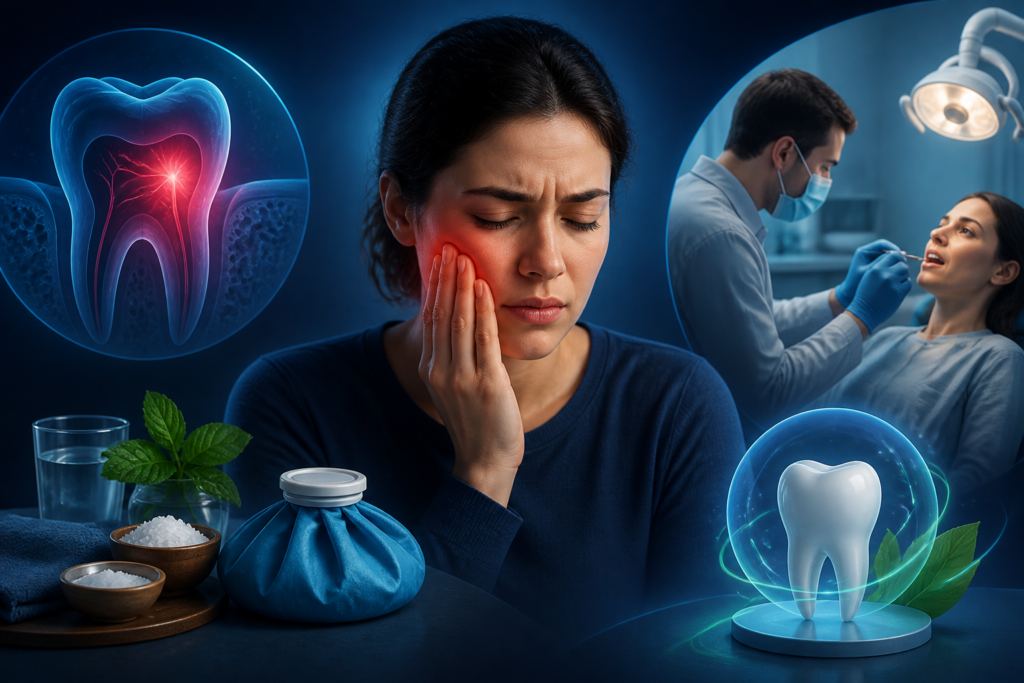
Tooth pain. It’s that unwelcome guest that crashes into your daily routine with all the subtlety of a marching band. But beyond the discomfort lies a deeper puzzle of causes, remedies, and that pivotal moment when you need to call in the professionals. Let’s peel back the layers of this dental drama, offering some well-reasoned advice for both healthcare providers and those seeking relief without the romp through red tape.
The Core Issue
What’s the real villain here? Not just the pain but the detective work in uncovering why it’s there. Cavities, gum disease, tooth fractures, or even a sinus infection pretending to be tooth pain. The detective hat is crucial. Only by zeroing in on the cause can you decide if a DIY approach will do the trick or if it’s time to call in the cavalry — your dentist.
What Research and Regulations Actually Say
According to the American Dental Association — and let’s face it, they know their incisors from their canines — ignoring tooth pain isn’t an option. The CDC chimes in, warning that untreated dental issues could snowball into broader health nightmares. Meanwhile, over-the-counter pain relief like ibuprofen or acetaminophen can offer a temporary ceasefire. But these aren’t a stand-in for professional expertise. And tread carefully with topical anesthetics like benzocaine; they have a few side effects lurking in their depths.
| Question | Evidence / Guidance | Practical Meaning | Source |
|---|---|---|---|
| Is over-the-counter pain relief effective? | Yes, for temporary relief. | Can alleviate pain until professional care is received. | ADA, CDC |
| When should you see a dentist? | If pain persists beyond 48 hours or is severe. | Professional evaluation is necessary for persistent or severe pain. | ADA |
| Are home remedies like saltwater rinses useful? | Yes, as a temporary measure. | Can reduce inflammation and bacteria. | NIH |
Where Practice Gets Complicated
Simplicity sounds nice, doesn’t it? But reality has a knack for complicating things. Patients, often reluctant to part with their cash or bravery, might delay seeking care. Insurance plans with coverage quirks that resemble a labyrinthine obstacle course don’t help. Some plans skip over essential procedures, delaying treatment as effectively as a rainy-day traffic jam.
Healthcare providers, especially in the frenetic whirl of emergencies, walk a tightrope between immediate relief and the all-important follow-up care conversation. Coders and billing teams need the precision of a Swiss watchmaker when documenting conditions and treatments to navigate the insurance maze for claims and reimbursements.
Practical Application
For the healthcare aficionados among us, managing tooth pain isn’t just about pulling the right tooth (pun intended), but also about patient education, symptom evaluation, and making that timely referral to the dental elite. By nudging patients toward symptom monitoring and regular check-ups, we can all make dental issues just another chapter in their medical story, rather than the whole book. Highlighting the potential wider health impacts of neglecting tooth pain might just prompt that timely dental visit.
For the toothache sufferers, here’s the playbook: use those pain meds wisely, maintain that gleaming smile with good oral hygiene, and recognize the bat signal when it’s time for pro intervention. Saltwater rinses and cold compresses may provide a temporary lull, but remember, they’re no substitute for the real deal.
Key Takeaways
- Tooth pain springs from multiple causes; nailing the diagnosis is half the battle.
- Quick relief from over-the-counter solutions and home remedies is possible, but professional care shouldn’t be sidelined.
- If the pain sticks around or goes DEFCON 2, a dental visit is a must.
- Enlightening patients on swift dental care prevents complications down the line.
- Insurance nuances and patient awareness are pivotal in accessing timely dental care.
In the end, a harmonious blend of managing symptoms and seeking professional insight is your ticket to outwitting tooth pain. Healthcare providers and patients need to partner up to ensure swifter journeys to well-being.
Disclaimer: This content is published strictly for educational and general informational purposes. It does not constitute professional medical, legal, financial, or technical advice. Always consult a certified specialist or licensed professional regarding your specific situation before making decisions.