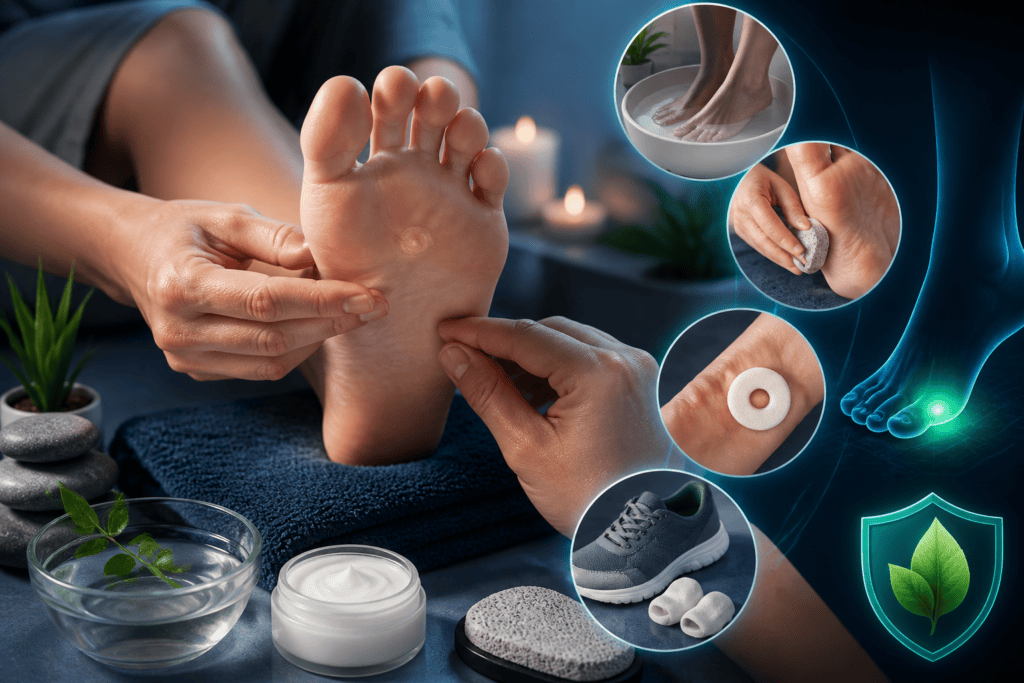
Dealing with foot corns can be a real pain—literally. They’re pretty common in the world of foot woes, and if you don’t tackle them head-on, they can get uncomfortable fast. Whether you’re keeping your own feet in check or helping someone else with theirs, knowing how to handle and ward off these pesky corns is super important. Dive into this guide for some practical steps, helpful tips, and even some coding insights for a smoother journey.
Understanding Foot Corns: What’s Causing That Pain?
Corns are those toughened skin patches that show up thanks to too much pressure or friction. You’ll usually find them on your toes or the bottom of your feet, and boy, can they hurt! Spotting them early can save you from a whole heap of trouble:
- Those hard, lumpy bits that stand out
- Patches of skin that are dry and flaky
- Areas that feel tender or downright painful
- Skin that looks yellowish or pale
What Causes Foot Corns and Who’s at Risk?
There are several culprits behind the formation of corns:
- Shoes that just don’t fit right
- Deformities in your toes
- Wearing those sky-high heels
- Foot issues like bunions
By understanding these, you can nip corns in the bud with targeted prevention techniques.
Your DIY Guide to Safe Corn Care at Home
Taking care of foot corns at home isn’t just about winging it—it’s best done with a careful plan to make sure you stay safe and effective. Here’s how:
1. Soak and Gently Buff
Start with a soothing foot soak to soften things up:
- Get some warm water and toss in a bit of Epsom salt
- Let your feet chill out in there for 10–15 minutes
Once they’re nice and soft, use a pumice stone to gently exfoliate:
- Go in circles with it, don’t press too hard
2. Moisturize Like a Pro
Keeping your skin happy and hydrated helps avoid hardness:
- Slather on a thick moisturizer
- Do it twice a day for the best results
3. Cushion Those Corns
Using special pads can help cut down on friction:
- Look for pads made of silicone or foam
- Pop them directly over the corns
4. Shoe Wisdom 101
Your footwear should be both comfy and supportive:
- Pick shoes with wide toes
- Say goodbye to high heels
Prevention Hacks: Keep Corns at Bay
A few simple strategies can make a big difference in keeping your feet corn-free:
- Rotate those shoes often
- Keep toenails trimmed straight across
- Consider arch supports if you need them
Regular TLC for your feet can stop corns from coming back.
Navigating Codes and Compliance in Foot Care
CPT Codes You Need for Foot Corns
For healthcare providers, nailing the right coding is key for billing. Here are some handy CPT codes:
| CPT Code | Description |
|---|---|
| 11055 | Trimming of non-dystrophic nails, any number |
| 11719 | Trimming of corns and calluses |
Make sure your documentation matches up with the services to dodge any billing headaches.
Tips for Spot-On Documentation and Billing
When you’re jotting down details about treating foot corns, include:
- The patient’s symptoms and how long they’ve had them
- What treatment methods you used
- How the treatments turned out
Solid documentation = smoother billing and keeps everything in compliance.
Wisdom from the Pros
Dr. Sarah Thompson, DPM has some wise words: “Taking care of your feet regularly and picking the right shoes are crucial in avoiding corns. Prevention is your best bet to dodge discomfort and medical procedures.” [1]
Frequently Asked Questions on Foot Corns
- Are foot corns a real threat?
They’re generally not harmful, but can sure be a pain. - How long till home remedies work?
It might take a few weeks to notice improvements. - Any risks with DIY treatments?
Yes, you risk infections if you’re not careful. - When’s it time to see a doc?
Get professional advice if corns stick around or hurt a lot. - What shoes are best?
Go for wide-toed, supportive options to keep corns away.
Disclaimer: This content is published strictly for educational and general informational purposes. It does not constitute professional medical, legal, financial, or technical advice. Always consult a certified specialist or licensed professional regarding your specific situation before making decisions.