12-Year Molars: Eruption Timeline, Symptoms, and Care Tips
Let’s talk about 12-year molars, which are important for both healthcare providers and parents to understand. These molars are also called second permanent molars. They play a big role in your child’s dental health. As the name suggests, these molars tend to come in around age 12. This marks a big step from childhood to being a teenager. This article will walk you through when these molars usually appear, what symptoms you might notice, and how to take care of them. We’ll make sure it’s helpful for healthcare providers, dental coders, billing teams, and anyone just wanting to learn more.
Eruption Timeline: Understanding the Milestones
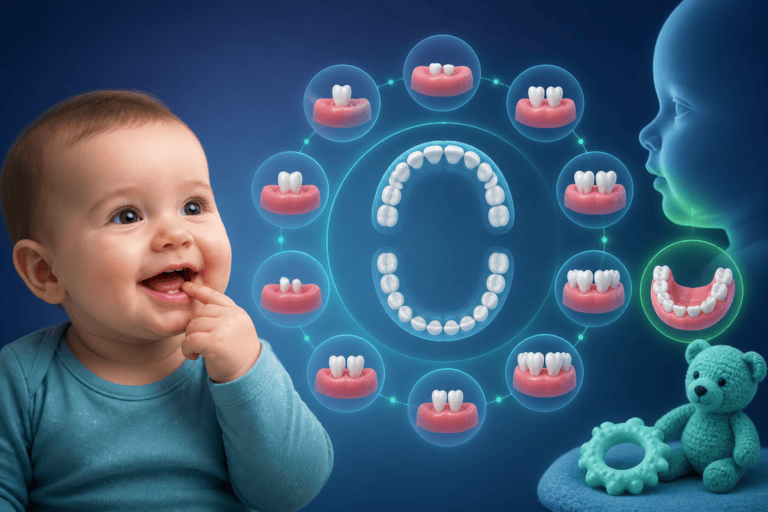
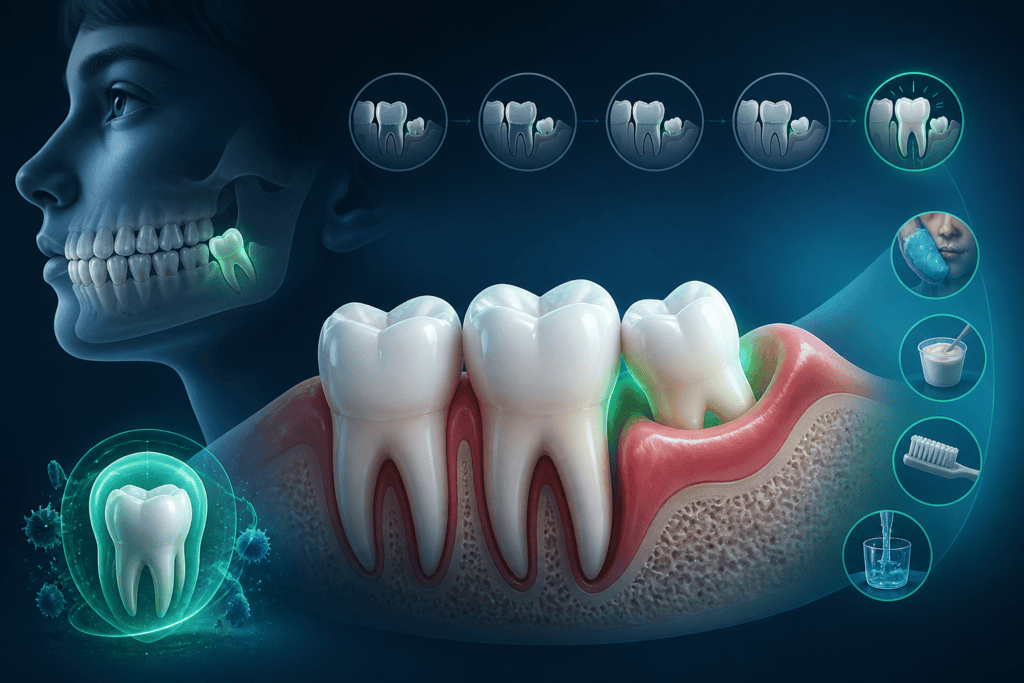
The arrival of 12-year molars is a key part of an adolescent’s dental growth. Typically, these molars show up between ages 11 and 13. However, not everyone is on the same schedule, and that’s normal. Differences can be due to genetics or environment. The process starts as the molars move through the gums, finally making their full appearance in the mouth.
One thing to note is the order these molars appear. Usually, the lower molars come in before the upper ones, but this can vary. It’s important for healthcare providers and dentists to understand this sequence to ensure normal dental development and spot any potential problems.
Key Considerations in Eruption
- Genetic Factors: Family history might affect when molars come in.
- Nutritional Influences: Good nutrition supports healthy dental growth.
- Oral Hygiene: Keeping teeth clean can make it easier for molars to erupt by keeping gums healthy.
Recognizing Symptoms: What to Expect
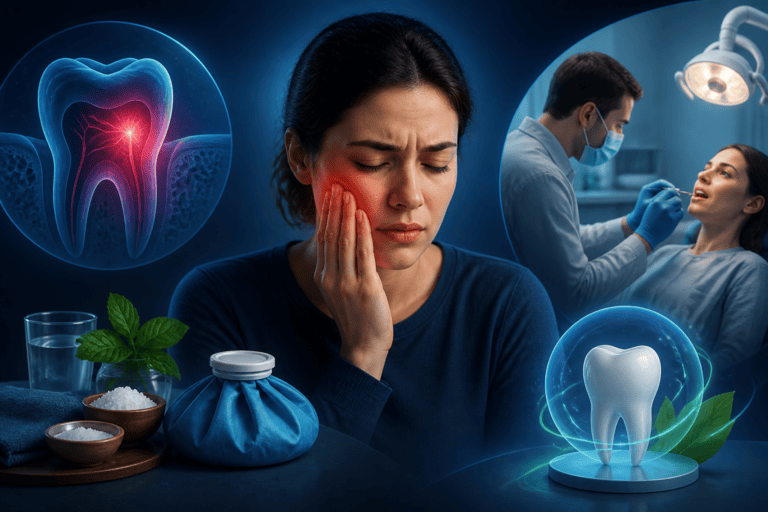
The eruption of 12-year molars can bring some noticeable symptoms. Knowing what to expect is key to managing any discomfort. Here are some common symptoms:
- Gum Swelling and Tenderness: Often the first sign that molars are coming in.
- Jaw Pain: Pushing through can cause pain in the jaw or nearby areas.
- Increased Salivation: More saliva is produced to help with the eruption.
- Headaches: Some kids get headaches from the pressure of new molars.
These symptoms are usually mild, but keep an eye on them. If pain or swelling doesn’t go away, it might be time to check with a dentist to make sure there are no complications like impaction or infection.
Care Tips: Ensuring Healthy Development
Taking good care of 12-year molars as they come in can help prevent future dental problems. Here’s what experts suggest:
Maintaining Oral Hygiene
Good oral hygiene is crucial, especially as new molars come in. Encourage regular brushing and flossing to keep food particles and plaque away from the new teeth. A soft-bristled toothbrush may help reduce gum irritation.
Pain Management
If your child is uncomfortable, over-the-counter pain relief like acetaminophen or ibuprofen can help. Just be sure to follow the advice of a healthcare provider or dentist to avoid side effects.
Dietary Recommendations
A balanced diet with calcium and vitamin D supports strong teeth. Try to include dairy products, leafy greens, and nuts in your child’s diet. Cutting back on sugary snacks can also help prevent cavities, which are more likely to form on new teeth.
When to Consult a Professional
While getting 12-year molars is a normal process, sometimes it’s best to see a professional. Consider consulting a dentist if you notice:
- Persistent Pain or Swelling: Could mean something else is going on.
- Misalignment: If molars aren’t coming in straight, they might affect nearby teeth.
- Impacted Molars: Happens when there’s not enough room for molars to come in properly.
Regular dental check-ups can catch these issues early and help ensure good oral health.
Comparison Table: Key Aspects of 12-Year Molars
| Aspect | Details |
|---|---|
| Eruption Age | 11-13 Years |
| Common Symptoms | Gum Swelling, Jaw Pain, Increased Salivation |
| Care Tips | Oral Hygiene, Pain Management, Nutritional Support |
| Professional Consultation | Persistent Pain, Misalignment, Impaction |
Conclusion: Ensuring a Smooth Transition
The eruption of 12-year molars is an important dental development that needs attention and care. By knowing the timeline, understanding symptoms, and following good care practices, healthcare providers, parents, and dental professionals can help teens transition smoothly. Keep up with dental visits and good oral care to support healthy molar development. For more dental health tips and information, take a look at Therapy Flux.
FAQs
- What age do 12-year molars typically erupt?
They usually emerge between 11 and 13 years of age. - Are there any complications associated with 12-year molars?
Potential complications include impaction, misalignment, and infection. - How can I manage my child’s discomfort during molar eruption?
Over-the-counter pain relief and maintaining oral hygiene can help manage discomfort. - When should I consult a dentist about my child’s molars?
Seek professional advice if there is persistent pain, swelling, or misalignment.
Disclaimer: This content is published strictly for educational and general informational purposes. It does not constitute professional medical, legal, financial, or technical advice. Always consult a certified specialist or licensed professional regarding your specific situation before making decisions.