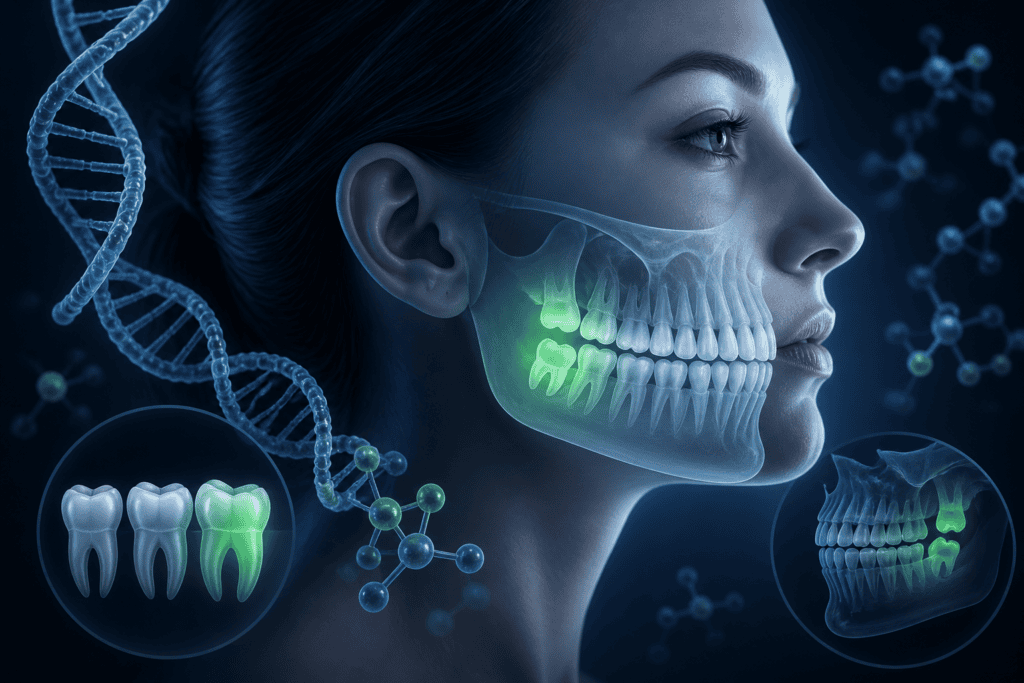
Do We All Have Wisdom Teeth? Genetics and Dental Insights
As we navigate the healthcare landscape, questions about wisdom teeth pop up quite often, don’t they? Are wisdom teeth something everyone has? And how much do genetics have a say in their development? By digging into these questions, we can better guide our patients. So, let’s explore the genetics and dental facts tied to wisdom teeth.
Why Do Some Folks Have Wisdom Teeth and Others Don’t?
Wisdom teeth, also known as third molars, are the last set in our mouth to make their grand entrance, usually between ages 17 and 25. But here’s the thing—not everyone gets them. Genetics and how we’ve evolved play big roles in this.
Way back when, our ancestors needed these extra molars to munch on tough stuff like roots and meats. As diets evolved and jaws shrank, we’re finding many folks today have jaws too snug for these teeth. So, if you’ve got smaller jaws in your genes, those wisdom teeth might never show up.
What Role Do Genetics Play in Wisdom Teeth?
Genetics largely call the shots on whether wisdom teeth will develop. Some research points to genetic variations that influence jaw size and tooth count, directly affecting the presence of wisdom teeth.
Take the PAX9 gene, for instance. According to an NIH study, it’s linked to tooth development. Variations in this gene might mean missing wisdom teeth. And did you know? Ethnicity also matters. Studies show people of Asian descent often miss one or more third molars more frequently than those of European ancestry.
What Troubles Do Wisdom Teeth Bring Along?
When wisdom teeth do decide to develop, they can stir up some dental troubles, mainly because of cramped jaw space. We’re talking impaction, infection, and potential damage to neighboring teeth. Impaction is that pesky situation when they grow at an angle and get stuck, causing pain and overcrowding.
In practice, these issues often call for surgery. It’s up to us to weigh each case on its own, evaluating factors like eruption angle and available jaw space, coupled with the patient’s overall dental health.
How Should We Tackle Wisdom Teeth Evaluation?
Evaluating these teeth is part clinical exam, part imaging, with dental X-rays playing a big role. Regular check-ups let us track these teeth’s evolution and nip issues in the bud if needed.
The challenge we often face is delaying evaluations until severe symptoms surface. Catching things early on can save the day, preventing tricky surgeries and easing patient discomfort. It’s on us to stress the importance of regular dental visits for keeping tabs on wisdom teeth.
When Do Wisdom Teeth Need to Go?
Not every wisdom tooth is a goner. Extracting them hinges on symptoms, future dental risks, and general oral health. If they’re healthy, aligned, and fully erupted, they might just be fine where they are.
Yet, removal is wise if impaction, infection, or risk to neighboring teeth looms large. Here’s a handy table for when we’re deciding:
| Situation | Recommended Approach | Common Risk | Documentation Needed |
|---|---|---|---|
| Healthy, Fully Erupted | Regular Monitoring | Risk of Decay | Dental X-rays, Patient History |
| Impacted or Partially Erupted | Surgical Extraction | Infection, Crowding | Detailed Clinical Notes, Imaging |
| Symptomatic (Pain, Infection) | Immediate Evaluation & Extraction | Increased Pain, Spread of Infection | Emergency Assessment, Patient Symptoms |
What Are the Pros and Cons of Extracting Wisdom Teeth?
Extracting wisdom teeth can head off future dental dramas like infections and crowding. But, as with any surgery, risks are part of the package—things like dry socket, nerve damage, and infections.
In reality, outcomes hinge on a patient’s health and aftercare discipline. A hiccup we see too often is patients ignoring the aftercare playbook, upping their complication risk. So, it’s on us to underscore the significance of sticking to those care instructions.
How Can Patients Gear Up for Wisdom Teeth Extraction?
Wisdom teeth extraction calls for both physical and logistical prep. Patients should take their provider’s pre-surgery guidance to heart, which might mean changing diet or meds. And don’t forget arranging transport and post-op help.
The bit that sometimes slips through the cracks is managing what patients expect. A good chat about the procedure, recovery, and any discomfort can ease anxiety and boost adherence to aftercare.
Are There Options Other Than Extraction?
Sometimes, there are other avenues apart from extraction, like orthodontic treatment, particularly when teeth aren’t posing any immediate issues but might in the future.
However, these paths aren’t always on the table, and choices should be rooted in a solid evaluation of dental health and risks. A specialist’s insight can really sharpen our decision-making here.
In wrapping up, while wisdom teeth aren’t universal, knowing the genetic and practical angles of their development is vital for us in healthcare. Staying informed empowers us to give better guidance and care to patients, meeting both their short-term needs and long-term dental health goals.
Disclaimer: This content is published strictly for educational and general informational purposes. It does not constitute professional medical, legal, financial, or technical advice. Always consult a certified specialist or licensed professional regarding your specific situation before making decisions.