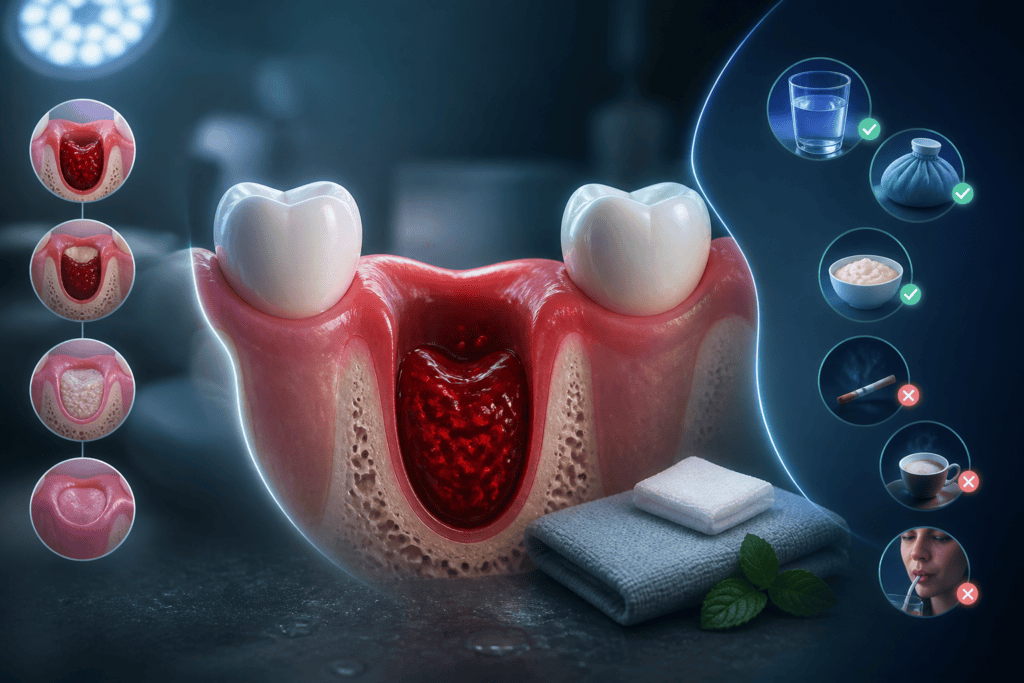
Alright, after a tooth extraction, we both know that the formation of a blood clot is pretty much the linchpin of the healing process. This little clot isn’t just a stopgap—it acts as a protective shield over those exposed bones and nerve endings. It also lays down the groundwork for new tissue. But here’s the thing: understanding what’s “normal” for these clots and how to protect them is crucial for us and our patients. So, let’s dive into what the research, regulations, and practical applications say about these blood clots post-extraction.
Nailing Down the Core Issue
Ensuring proper healing after a tooth extraction boils down to forming a stable blood clot. Complications like dry socket, or alveolar osteitis, can pop up if that clot gets dislodged—leading to prolonged pain and slower healing. The real kicker? It’s not just about the clot itself but also how it interacts with multiple factors: patient behavior, our dental practices, and those pesky physiological responses.
Research and Regulations: What They Tell Us
The American Dental Association (ADA) and studies in the field both zero in on how vital post-extraction care is for keeping that blood clot intact. Guidelines warn against disturbing the clot by using straws, smoking, or overzealous rinsing during those first few days. The CDC also nudges us to focus on preventing infections to guard the clot.
Plus, it turns out clot stability varies from person to person, thanks to differences in blood coagulation and health conditions like diabetes or clotting disorders. We need to keep these nuances in mind when we’re advising our patients.
| Question | Evidence / Guidance | Practical Meaning | Source |
|---|---|---|---|
| What is the normal appearance of a blood clot? | Dark red, stable, and seated within the socket. | Indicates normal clotting and initial healing. | ADA |
| How long should a clot remain in place? | Typically, the first 24-48 hours are critical. | Patients should avoid disturbing the area during this time. | CDC |
| What behaviors protect the clot? | Avoid smoking, straws, and rigorous rinsing. | Prevents dislodgement and dry socket. | Peer-reviewed dental literature |
| What if a patient has a clotting disorder? | Consult with a specialist for personalized care. | Requires tailored post-operative instructions. | NIH |
When Practice Gets Tricky
Now, in the trenches, managing these clots can get complicated. Differences in patient education, how well they stick to postop instructions, and individual health issues all affect clot stability. A patient with a bleeding disorder? They might need a whole different playbook, prompting tight-knit teamwork between dental and medical professionals.
Don’t forget, our billing and coding crew needs to be sharp on these matters. They need to accurately code for complications like dry socket, ensuring the procedure and any follow-ups are correctly documented, affecting both reimbursement and compliance.
The Practical Side of It
We can take all this information and really tailor our postoperative care strategies based on solid evidence. Stressing the importance of avoiding certain activities that could knock the clot loose—and giving patients the know-how to spot potential red flags—is critical.
For those handling billing, a keen understanding of how to code post-extraction complications can lead to more accurate claims and better patient outcomes. Regular trainings and close collaboration with clinical staff can boost our operational game.
Main Points to Remember
- Blood clot formation is key for healing post-extraction, with the first 24-48 hours being make-or-break.
- Proper education and sticking to postop instructions are crucial for clot stability.
- We must account for individual patient factors, like clotting disorders, in planning postoperative care.
- Billing and coding teams play a vital role in capturing complications correctly to ensure effective reimbursement.
Disclaimer: This content is published strictly for educational and general informational purposes. It does not constitute professional medical, legal, financial, or technical advice. Always consult a certified specialist or licensed professional regarding your specific situation before making decisions.