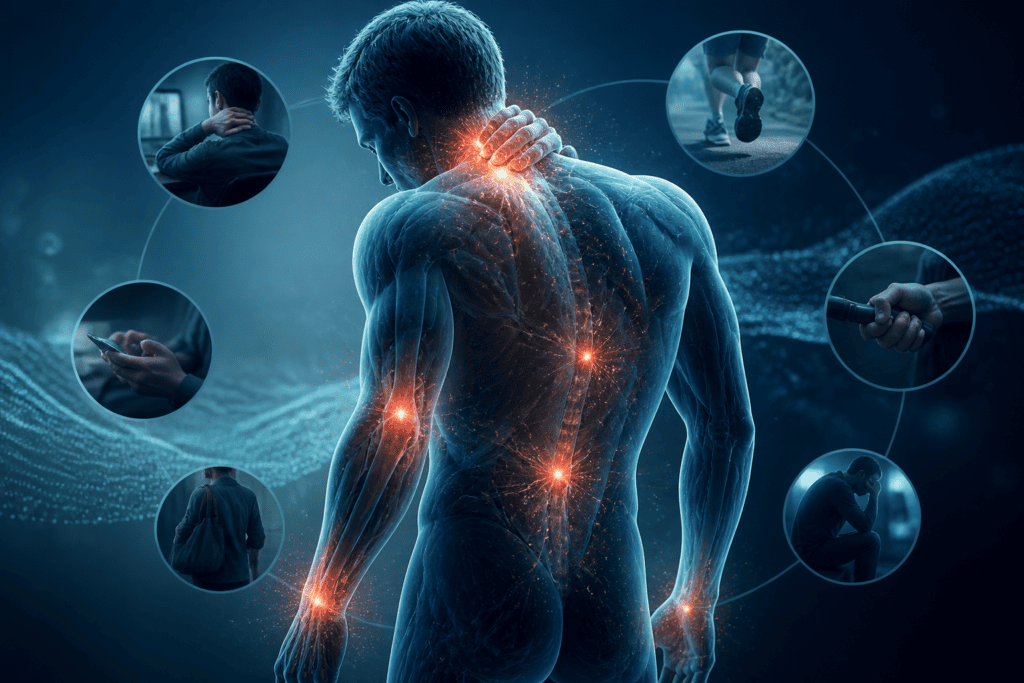
The Core Issue
In the realm of mental health, the concept of micro-traumas has emerged as a significant point of discussion. Unlike major traumatic events, micro-traumas refer to the cumulative effect of daily micro-stresses — those seemingly minor incidents that can gradually erode an individual’s mental well-being. The practical issue lies in understanding how these micro-traumas interact with a person’s overall health, influencing conditions such as anxiety, depression, and chronic stress responses. For healthcare providers, recognizing the impact of these small yet persistent stressors is critical in developing effective treatment plans.
What Research and Regulations Actually Say
Research surrounding micro-traumas is still evolving, but studies highlight their potential to contribute to significant psychological distress over time. According to a 2020 study published in the Journal of Behavioral Medicine, individuals who experience regular, minor stressors report higher levels of anxiety and depressive symptoms compared to those who face fewer daily stressors. The cumulative nature of these micro-traumas can activate the body’s stress response system, leading to chronic health issues.
Regulatory bodies like the American Psychological Association (APA) have also acknowledged the importance of addressing cumulative stressors in clinical settings. In their guidelines for treating anxiety and mood disorders, the APA recommends incorporating psychoeducation about micro-traumas, emphasizing the need for healthcare providers to understand their role in patient health. Furthermore, the National Institute of Mental Health (NIMH) encourages further research into how micro-traumas can be recognized, documented, and treated in clinical practice.
| Question | Evidence / Guidance | Practical Meaning | Source |
|---|---|---|---|
| What are micro-traumas? | Micro-traumas are small, often unnoticed stressors that accumulate over time. | They can lead to significant psychological distress if not addressed. | Journal of Behavioral Medicine |
| How do micro-traumas affect mental health? | Research shows a direct correlation between micro-traumas and increased anxiety and depression. | Understanding this relationship helps providers create targeted interventions. | American Psychological Association |
| What should providers do? | Incorporate discussions of micro-traumas in patient assessments and treatment plans. | This approach can enhance patient care and outcomes. | National Institute of Mental Health |
Where Practice Gets Complicated
While the theory behind micro-traumas is well-supported, practical application can be challenging. One of the complexities arises from the subjective nature of what constitutes a micro-trauma. For one individual, a minor criticism at work may be a significant stressor, while for another, it might be negligible. This variability complicates diagnosis and treatment, as healthcare providers must assess each patient’s unique experiences and responses to stress.
Moreover, documentation of micro-traumas in healthcare settings can be inconsistent. Current coding systems do not have specific categories for micro-traumas, which can lead to underreporting and a lack of recognition in clinical practice. This gap can affect reimbursement for mental health services, as insurance companies may not recognize micro-traumas as legitimate factors warranting treatment. Thus, billing teams must stay informed about evolving practices in mental health documentation to ensure that care providers can accurately depict the complexities of their patients’ experiences.
Practical Application
For healthcare providers, recognizing and addressing micro-traumas involves several key strategies:
- Patient Education: Educate patients about micro-traumas and their potential impact on mental health. This understanding can empower patients to articulate their experiences more effectively.
- Comprehensive Assessments: Incorporate questions about daily stressors and micro-traumas in patient evaluations. Tools such as stress diaries or questionnaires can help in identifying patterns.
- Customized Treatment Plans: Develop individualized treatment plans that consider the cumulative effects of micro-traumas. Cognitive behavioral therapy (CBT) and mindfulness practices can be effective in addressing these issues.
- Collaboration with Billing Teams: Ensure that billing teams are aware of micro-trauma-related diagnoses to facilitate appropriate coding and reimbursement processes.
Key Takeaways
Micro-traumas, though often overlooked, can significantly impact mental health through their cumulative effects. Understanding their implications is crucial for healthcare providers tasked with developing effective treatment plans. By incorporating education, comprehensive assessments, and customized treatment approaches, providers can better address the nuanced experiences of their patients. Additionally, collaboration with billing teams ensures that care reflects the complexity of micro-traumas, leading to improved mental health outcomes.
Disclaimer: This content is published strictly for educational and general informational purposes. It does not constitute professional medical, legal, financial, or technical advice. Always consult a certified specialist or licensed professional regarding your specific situation before making decisions.