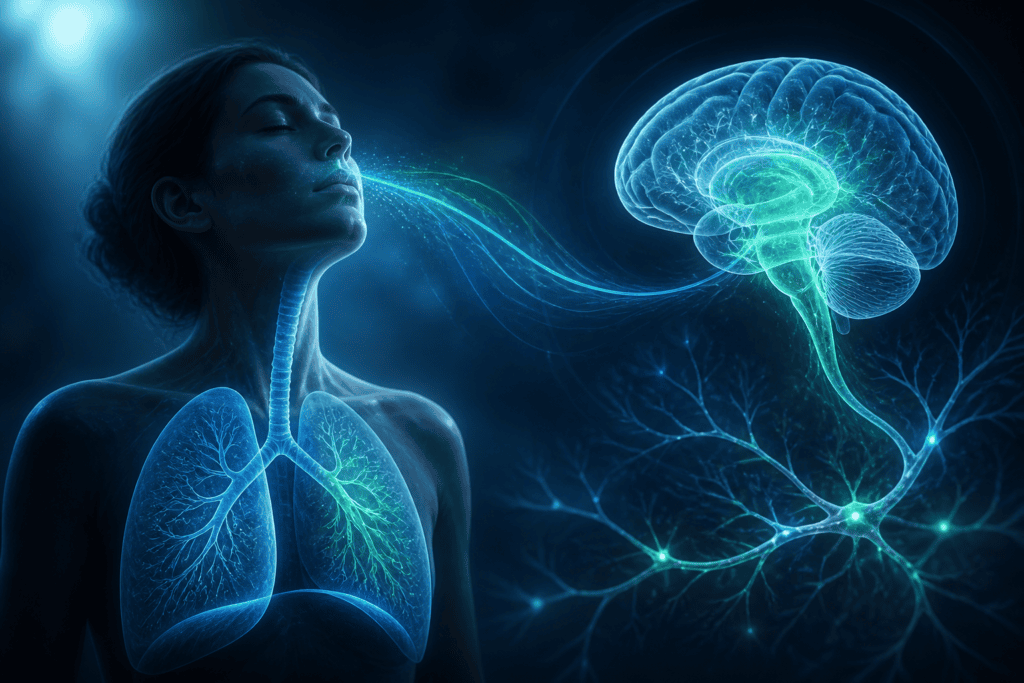
The Science of Sighing: How the Lungs Reset the Brain
Sighing is often perceived as a simple expression of frustration, relief, or fatigue. However, emerging research reveals that this unconscious act is a complex physiological response with significant implications for brain function and emotional regulation. Understanding the science behind sighing and its effects on the respiratory and neurological systems can enhance our comprehension of mental health management, particularly in clinical settings.
What the Issue Actually Means
Sighing is characterized by a prolonged exhalation following a deep inhalation. This seemingly mundane action serves multiple purposes, both physiological and psychological. Typically, sighing occurs unconsciously but can also be initiated deliberately. The mechanics of sighing involve the diaphragm and intercostal muscles, which work together to increase lung capacity and facilitate gas exchange.
From a physiological perspective, sighing has been linked to several functions, including:
- Replenishing Alveolar Gas Exchange: Sighing helps to reinflate collapsed alveoli, improving lung function and oxygenation.
- Regulating Emotion: It acts as a natural regulator of stress and anxiety, serving as a form of emotional release.
- Promoting Relaxation: The act of sighing can lead to a feeling of calmness, helping to reset the body’s stress response.
Why It Matters Operationally
For healthcare providers, an understanding of sighing and its implications can enhance patient care. The connection between respiratory function and mental health is particularly significant in environments where stress and anxiety are prevalent. Research indicates that patients experiencing anxiety or depression may exhibit altered sighing patterns, which can serve as an indicator of their psychological state.
By incorporating knowledge of sighing into clinical practice, healthcare professionals can:
- Identify potential underlying mental health issues in patients based on their sighing patterns.
- Use sighing as a therapeutic tool to help patients manage anxiety and stress.
- Educate patients on the benefits of deep breathing and sighing as part of a holistic approach to mental health.
How Professionals Handle It
Understanding the science of sighing can empower healthcare professionals to better support their patients. Here are several strategies that can be implemented:
- Training in Breathing Techniques: Healthcare providers can teach patients deliberate sighing or deep breathing exercises to help manage anxiety and improve lung function.
- Monitoring Sighing Patterns: Incorporating sighing observations into assessments can provide insights into a patient’s emotional state.
- Integrating into Therapy: Therapists can incorporate discussions about sighing into cognitive-behavioral therapy (CBT) or mindfulness practices.
Common Mistakes
While sighing is a natural process, misconceptions about its significance may lead to missed opportunities for intervention. Common mistakes include:
- Overlooking Sighing Patterns: Failing to recognize abnormal sighing patterns in patients can result in overlooking mental health issues.
- Assuming Sighing is Purely Negative: Not acknowledging that sighing can also indicate relief or contentment can skew interpretations of a patient’s emotional state.
- Neglecting Breathing Interventions: Not utilizing sighing or breathing exercises in treatment plans can limit opportunities for patient empowerment.
Documentation and Compliance Considerations
When incorporating sighing into patient assessments and treatment plans, proper documentation is essential. Here are some key points to consider:
- Record Observations: Document any notable sighing patterns in the patient’s chart, linking them to emotional states or stress levels.
- Include in Treatment Plans: If breathing exercises or sighing techniques are part of the treatment, ensure they are clearly outlined in the patient’s care plan.
- Compliance with Regulations: Ensure that any interventions related to sighing are compliant with HIPAA and other relevant regulations.
Practical Examples
Implementing sighing-related practices can take various forms. Here are a few practical examples:
- Therapeutic Breathing Sessions: A mental health clinic offers weekly sessions focusing on deep breathing and sighing to help patients manage anxiety.
- Incorporation into Cognitive Behavioral Therapy: A therapist encourages patients to identify their sighing patterns and use them as cues for mindfulness practices.
- Educational Workshops: A hospital conducts workshops for patients and staff on the importance of breath control and sighing for stress management.
Recommended Workflow
To effectively integrate the science of sighing into practice, consider the following workflow:
- Assessment: Evaluate patients’ emotional states and observe their sighing patterns during initial assessments.
- Education: Teach patients about the benefits of sighing and deep breathing techniques.
- Intervention: Incorporate sighing exercises into treatment plans, especially for those experiencing anxiety or stress.
- Monitoring: Regularly assess and document sighing patterns during follow-up appointments.
- Feedback: Encourage patients to provide feedback on how breathing and sighing techniques impact their emotional well-being.
| Aspect | Traditional Approach | Incorporating Sighing |
|---|---|---|
| Patient Assessment | Focus on verbal symptoms and complaints | Include observations of sighing patterns |
| Intervention | Standard therapy techniques | Integrate sighing and breathing exercises |
| Patient Follow-Up | Review medication and therapy progress | Discuss changes in sighing and emotional regulation |
Key Takeaways
- Sighing is a significant physiological action that helps regulate emotional response and enhances lung function.
- Understanding sighing patterns can provide valuable insights into a patient’s mental health status.
- Incorporating sighing and breathing exercises into treatment can empower patients to manage anxiety effectively.
- Proper documentation and compliance with regulations are crucial when integrating sighing into clinical practice.
Conclusion
The science of sighing reveals a fascinating interplay between our lungs and brain. By recognizing and utilizing sighing as a therapeutic tool, healthcare providers can offer patients a unique strategy for emotional regulation and stress management. In a clinical environment where mental health challenges are prevalent, sighing serves not just as a physical response, but as a gateway to deeper understanding and healing.
Disclaimer: This content is published strictly for educational and general informational purposes. It does not constitute professional medical, legal, financial, or technical advice. Always consult a certified specialist or licensed professional regarding your specific situation before making decisions.