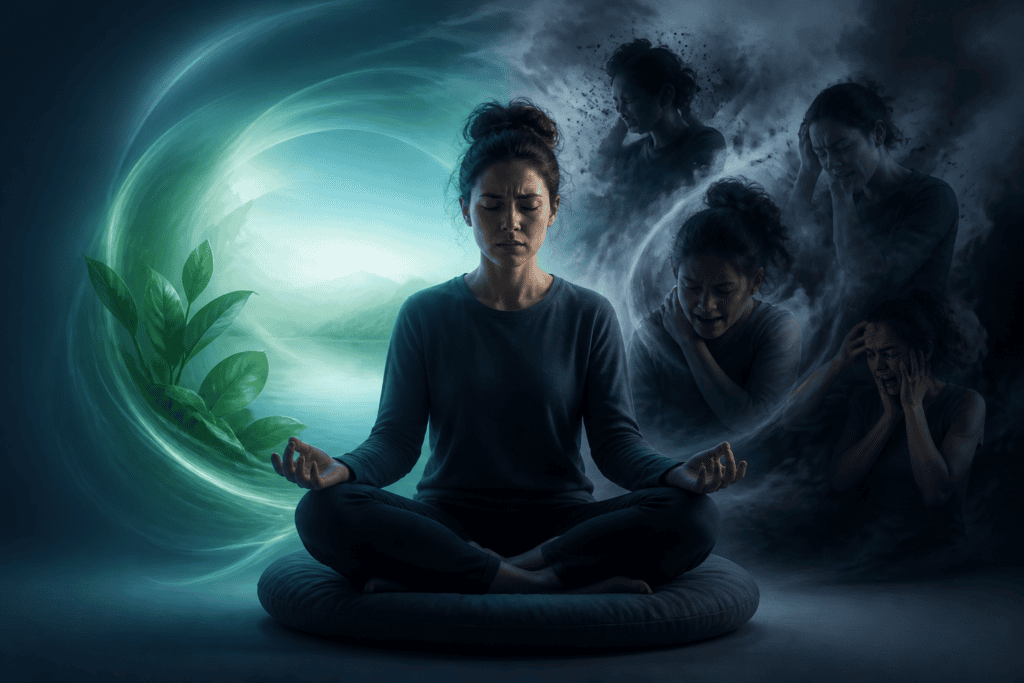
Beyond Mindfulness: When Meditation Triggers Anxiety
Meditation is often hailed as a therapeutic tool for stress reduction and emotional well-being. However, for some individuals, the practice can inadvertently trigger anxiety rather than alleviate it. Understanding the mechanisms behind this paradox is crucial for healthcare providers, coders, and billing teams. This article aims to dissect the circumstances under which meditation can provoke anxiety, the clinical implications, and strategies for mitigating these effects.
Understanding Meditation and Anxiety
Meditation encompasses various techniques designed to promote relaxation and mindfulness. While many people report positive outcomes, some experience heightened anxiety during or after meditation sessions. Identifying the underlying causes is essential for effective treatment and care.
Types of Meditation
- Mindfulness meditation
- Transcendental meditation
- Guided imagery
- Zen meditation
- Body scan meditation
Each type has unique mechanisms that can interact differently with an individual’s mental health status. For instance, mindfulness meditation often involves observing thoughts without judgment, which may lead to increased awareness of anxiety-provoking thoughts.
Potential Triggers of Anxiety During Meditation
Several factors can contribute to anxiety during meditation:
- Increased self-awareness of negative emotions
- Unprocessed trauma resurfacing
- Stress from trying to achieve a specific mental state
- Physical discomfort causing distraction
- Fear of losing control over one’s thoughts
Recognizing these triggers can help practitioners tailor their approach to meditation in ways that minimize adverse effects.
Clinical Implications for Providers
Healthcare providers must be aware of the potential for meditation to trigger anxiety. By understanding patient backgrounds and mental health histories, providers can offer more personalized recommendations.
CPT and HCPCS Codes Related to Mental Health Services
| CPT Code | Description | Usage |
|---|---|---|
| 90834 | Psychotherapy, 45 minutes | Individual therapy sessions |
| 90837 | Psychotherapy, 60 minutes | Extended individual therapy sessions |
| 96130 | Psychological testing | Assessment of anxiety disorders |
| 96161 | Assessment for children | Child mental health evaluations |
Using the correct CPT and HCPCS codes ensures accurate billing and compliance with regulations. Providers should document patient experiences with meditation to support any claims for treatment related to anxiety management.
Strategies for Mitigating Anxiety During Meditation
Implementing practical strategies can help patients navigate meditation more effectively:
- Start with short sessions
- Use guided meditations to reduce anxiety
- Encourage journaling before and after practice
- Integrate deep breathing exercises
- Provide follow-up support and counseling
These strategies not only enhance the meditation experience but also help mitigate anxiety symptoms. Providers should regularly assess the impact of meditation on their patients and adjust recommendations as needed.
Documenting Patient Experiences
Maintaining comprehensive records of patient experiences with meditation can be invaluable. This documentation can include:
- Patient feedback on anxiety levels
- Notes on specific meditation techniques used
- Observations on physical or emotional reactions
- Follow-up discussions about effectiveness
Accurate documentation supports clinical decisions and ensures compliance with billing practices. This data can also inform future patient care strategies.
Common Denial Traps and Compliance Considerations
Understanding common denial traps can save healthcare providers time and resources. Some frequent issues include:
- Improper coding of mental health services
- Insufficient documentation of patient history
- Failure to connect treatment to diagnosis
- Inadequate patient consent for therapy sessions
Providers should conduct regular audits of their coding and documentation practices to ensure compliance and minimize denial rates. Staying informed about payer-specific guidelines is also crucial.
Quotes from Experts
“Mindfulness can be a double-edged sword; understanding its effects on anxiety is essential.” – Dr. Ellen Langer, Harvard psychologist.
Frequently Asked Questions
1. Can meditation always reduce anxiety?
No, meditation can sometimes increase anxiety in certain individuals.
2. How can I know if meditation is right for me?
Consult with a healthcare provider to evaluate your mental health.
3. What should I do if meditation triggers anxiety?
Stop the session and consult a mental health professional.
4. Are there specific meditation techniques to avoid?
Avoid techniques that focus on intense self-reflection initially.
5. How often should I meditate?
Start with a few minutes daily, gradually increasing duration.
Disclaimer: This content is published strictly for educational and general informational purposes. It does not constitute professional medical, legal, financial, or technical advice. Always consult a certified specialist or licensed professional regarding your specific situation before making decisions.